

What's Happening?
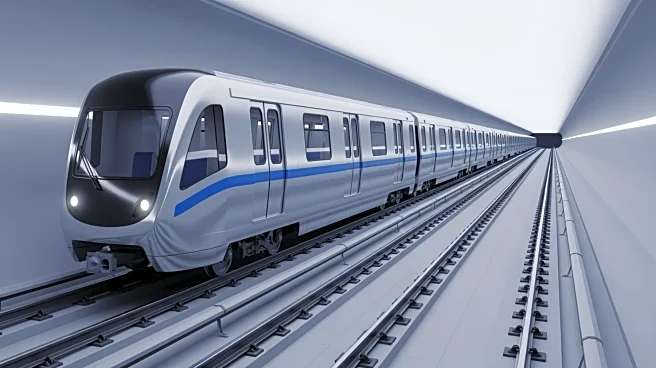
The Metropolitan Transportation Authority (MTA) is set to replace more than 2,000 subway cars, marking the largest order in the agency's history. This initiative is part of the MTA's 2025-2029 Capital Plan, which has been allocated $68 billion in funding.
The new subway cars are intended to improve service reliability for millions of daily riders. The order includes a base of 1,140 R262 cars to replace older models on the 1, 3, and 6 lines, with an additional 1,250 cars potentially replacing fleets on the 2, 4, and 5 lines. This move is expected to modernize the transit system, with new cars featuring enhanced technical specifications such as better announcement systems and security features. The MTA is also suing the federal government for not resuming funding for the Second Avenue Subway expansion, a $7 billion project to extend the Q line in East Harlem.
Why It's Important?
This development is significant as it represents a major investment in New York City's public transit infrastructure, aiming to enhance the daily commute for millions of residents. The replacement of aging subway cars is expected to reduce service disruptions and improve overall reliability, which is crucial for the city's economic vitality and quality of life. The lawsuit against the federal government highlights ongoing challenges in securing necessary funding for critical infrastructure projects. The outcome of this legal action could impact future federal-state collaborations on transit projects, potentially affecting timelines and budgets for essential expansions like the Second Avenue Subway.
What's Next?
The MTA is currently seeking proposals from manufacturers, with submissions due by September 2026. A contract is expected to be awarded by early 2028, with the new cars anticipated to begin service shortly thereafter. The agency's legal battle with the federal government over funding for the Second Avenue Subway expansion will continue, with potential implications for the project's timeline and scope. Stakeholders, including city officials and transit advocates, will likely monitor these developments closely, as they could influence future transit policies and funding strategies.