




What's Happening?
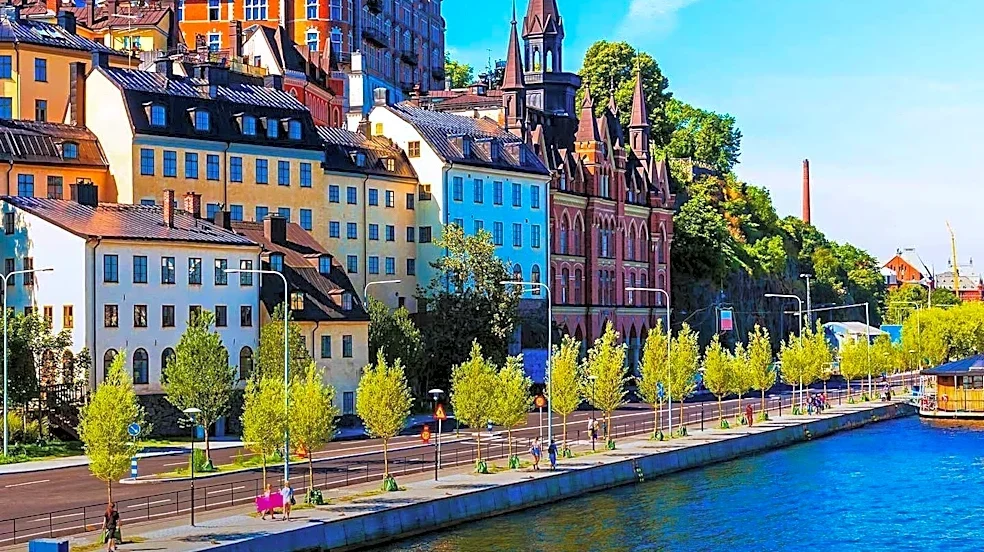
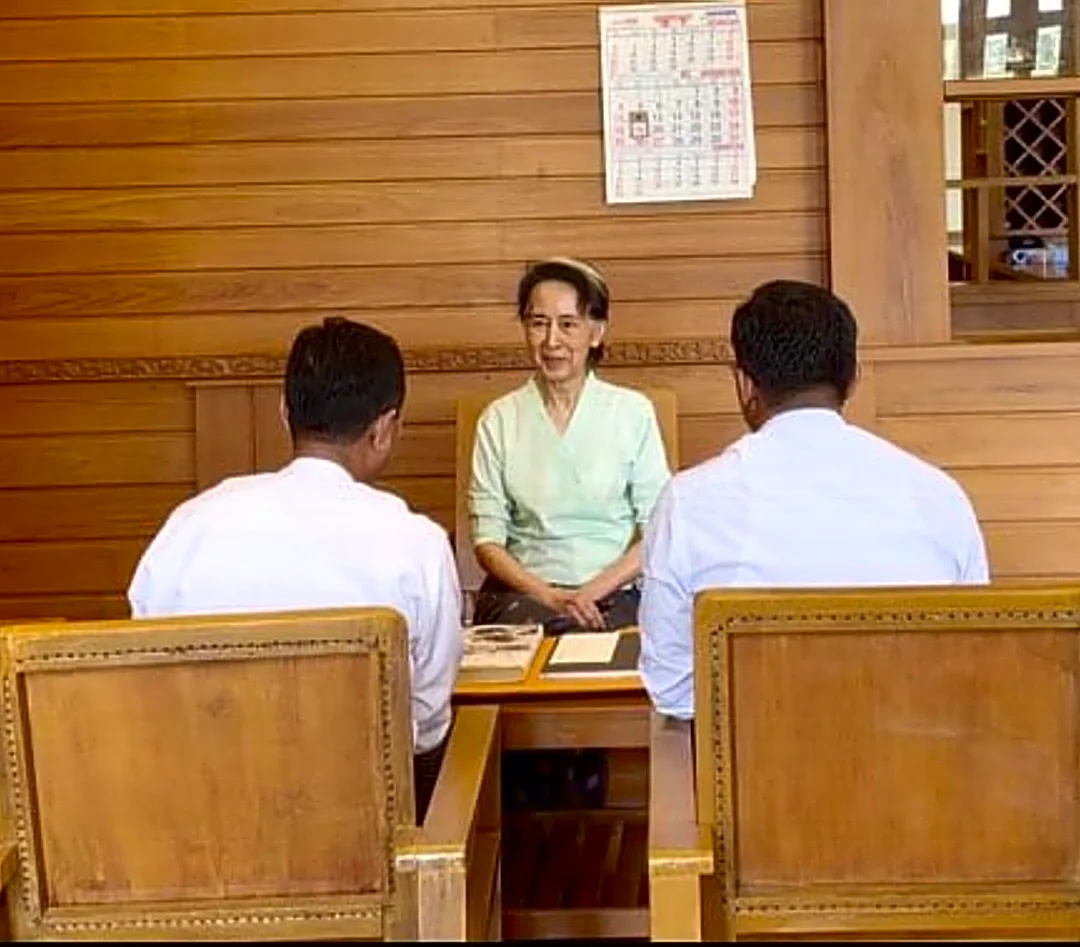
Sweden has committed to supporting Moldova in its environmental protection efforts and in aligning its national legislation with European Union requirements. This commitment was discussed during a meeting involving Moldovan State Secretaries Alena Rusnak
and Grigore Stratulat, Swedish Ambassador to Moldova Petra Larke, and Lisa Fridreksson, Head of the European Affairs Department at the Swedish International Development Agency (SEI). State Secretary Stratulat expressed gratitude for Sweden's past support and emphasized the desire for continued cooperation, particularly in developing regulations for chemical handling and establishing an electronic registration system for chemicals. State Secretary Rusnak highlighted the importance of Moldova's preparations for identifying significant local areas for inclusion in the European Natura 2000 network, which aims to protect natural habitats and wild flora and fauna. Discussions also included the possibility of Swedish assistance in creating an institution responsible for managing protected natural areas and exploring new cooperation opportunities to advance environmental protection and Moldova's European integration.
Why It's Important?
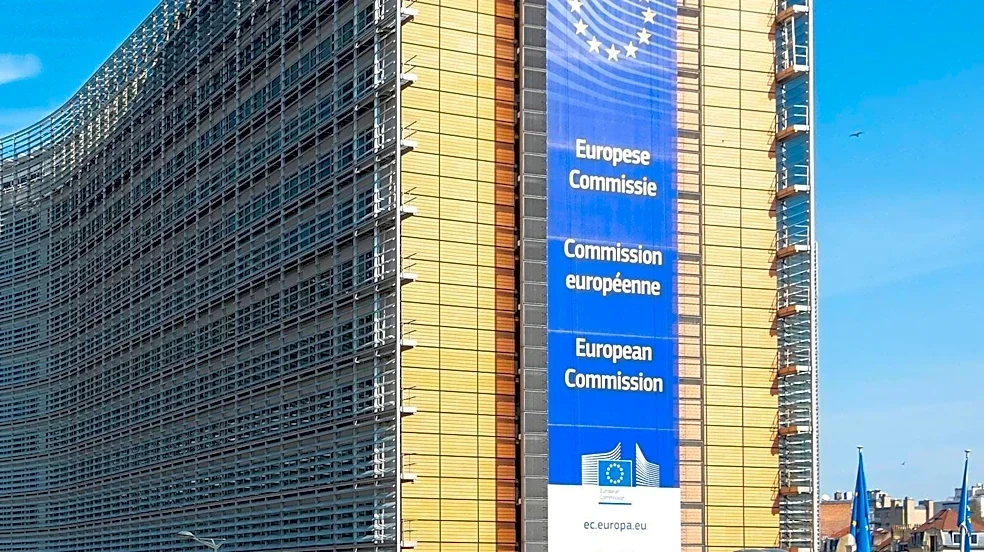
Sweden's support is crucial for Moldova's environmental agenda and its path toward EU integration. Aligning national legislation with EU environmental standards is a complex and resource-intensive process, requiring significant technical expertise and institutional capacity. Swedish assistance in areas like chemical management and the establishment of protected natural areas (Natura 2000 network) will directly contribute to Moldova's compliance with EU environmental acquis. This not only improves environmental quality within Moldova but also strengthens its candidacy for EU membership. Furthermore, developing robust environmental governance structures, such as an institution for managing protected areas, is essential for long-term sustainability and biodiversity conservation. This cooperation also signifies a broader commitment from EU member states to support aspiring members in meeting the rigorous standards required for accession, fostering regional stability and shared environmental goals.
What's Next?
The discussions will likely lead to concrete projects and technical assistance programs between Sweden and Moldova. This could involve Swedish experts collaborating with Moldovan counterparts on drafting new environmental regulations, particularly concerning chemicals, and developing the electronic registration system. Efforts to identify and prepare sites for inclusion in the Natura 2000 network will intensify, potentially with Swedish technical guidance. The feasibility and structure of a new institution for managing protected natural areas will be further explored, with Sweden potentially offering support for its establishment and capacity building. These initiatives will be integrated into Moldova's broader EU integration roadmap, with progress in environmental alignment serving as a key indicator of its readiness for accession. Regular follow-up meetings and progress assessments will likely be part of the ongoing cooperation.
Beyond the Headlines
This partnership extends beyond mere technical assistance; it represents a strategic investment in Moldova's future and its alignment with European values. Environmental protection is a cornerstone of EU policy, and by helping Moldova meet these standards, Sweden is contributing to a more sustainable and resilient Europe. The focus on Natura 2000 highlights the importance of biodiversity conservation, which has global implications beyond national borders. Moreover, strengthening environmental governance can enhance transparency and accountability within Moldova's public administration, indirectly supporting broader democratic reforms. This type of bilateral cooperation also serves as a soft power tool, reinforcing the benefits of European integration and demonstrating tangible support for countries in the EU's neighborhood. It underscores the idea that environmental challenges are shared and require collaborative, international solutions.