



What's Happening?
Meteorologists and scientists are closely monitoring the development of a potentially strong El Niño event, which is expected to form in the coming weeks. This natural climate pattern, characterized by warmer-than-average sea surface temperatures in the central
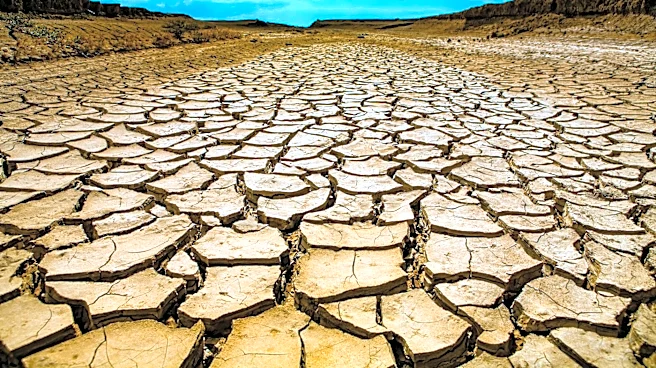
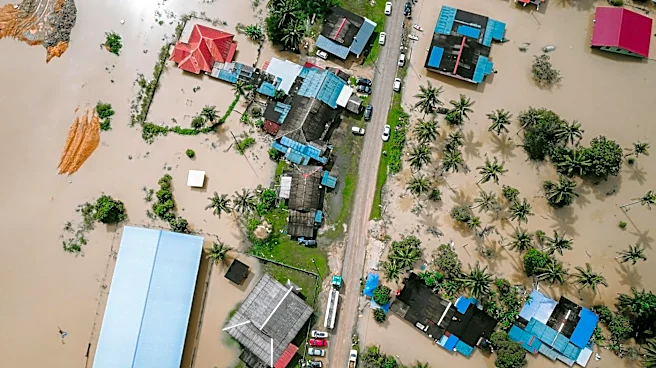
and eastern Pacific Ocean, has significant implications for global weather. According to Zeke Hausfather, director of climate and energy at the Breakthrough Institute, the current models suggest a strong El Niño, although the exact strength remains uncertain. Historically, El Niño events have been associated with extreme weather conditions, including wildfires, flooding, and droughts. The National Oceanic and Atmospheric Administration (NOAA) has noted that the past 12 months have been warmer than any other period on record in the contiguous United States, with severe drought affecting over 40% of the country.
Why It's Important?
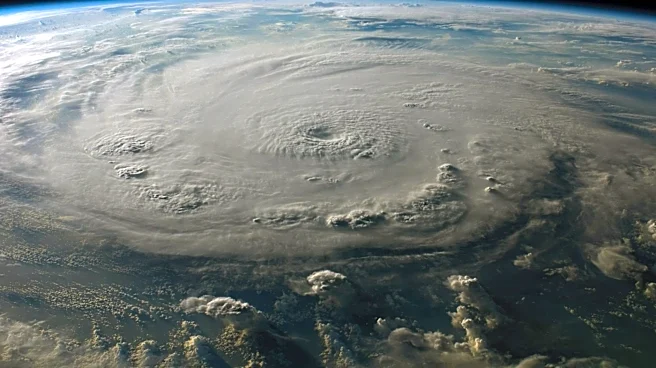
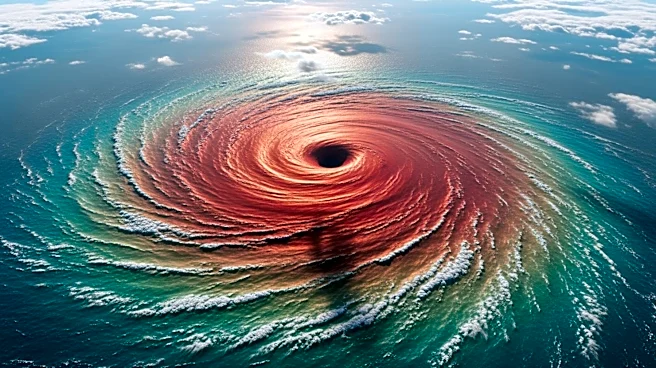
The potential emergence of a strong El Niño is significant due to its far-reaching impact on global weather patterns. In the United States, it could exacerbate existing drought conditions, particularly in the West and Southwest regions, which have already experienced record warm winters. Additionally, El Niño can influence hurricane activity in the Atlantic, potentially reducing the number of storms but not eliminating the risk of major hurricanes. The phenomenon also affects marine life, leading to coral bleaching and disruptions in marine ecosystems. Globally, El Niño can cause extreme weather events, such as floods and droughts, affecting agriculture, water resources, and economies. Understanding and predicting El Niño's development is crucial for preparing and mitigating its potential impacts.
What's Next?
As the situation develops, scientists will continue to monitor sea surface temperatures and atmospheric conditions to refine their predictions about the strength and impact of the upcoming El Niño. NOAA is expected to release its next update on May 14, which will provide further insights into the likelihood and potential consequences of this climate event. Stakeholders, including government agencies, businesses, and communities, will need to prepare for possible disruptions in weather patterns and their associated impacts. This includes planning for potential agricultural challenges, water management issues, and disaster preparedness in regions prone to extreme weather events.