





What's Happening?
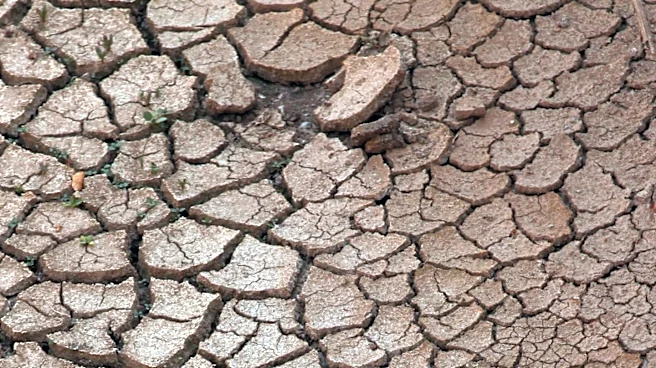
Kittery, Maine, is enduring its eighth week of mandatory Level 3 water conservation restrictions due to persistent drought conditions that continue to deplete the town's water supply. Kittery Water District Superintendent Matthew Berube indicated that these
restrictions, primarily affecting outdoor watering, are likely to remain in place through the fall. According to the U.S. Drought Monitor, a significant portion of Maine is experiencing drought, with 53.8% in moderate drought, 41.3% in severe drought, and 4.8% along the southern coast, including Kittery, facing extreme drought conditions. University of New England Marine and Environmental Scientist Will Kochtitzky noted that these dry conditions align with broader climate change patterns, where some areas become drier while others become wetter. Kochtitzky emphasized that drought impacts extend beyond residents, stressing ecosystems and vital surface water sources essential for drinking and irrigation.
Why It's Important?
The ongoing drought in Kittery and across Maine highlights the increasing vulnerability of U.S. communities to climate change and its direct impact on essential resources like drinking water. Mandatory water restrictions impose significant lifestyle changes on residents and can affect local businesses reliant on water, such as landscaping or agriculture. The strain on surface water sources also poses a threat to local ecosystems, potentially impacting wildlife and natural habitats. This situation underscores the critical need for robust water management strategies and infrastructure resilience in the face of changing climate patterns. Communities with more vulnerable water sources, as noted by Kochtitzky, are particularly susceptible to these pressures, necessitating proactive planning and investment to ensure long-term water security.
What's Next?
Kittery residents should anticipate the continuation of Level 3 water conservation restrictions throughout the fall, with no immediate end in sight. The Kittery Water District will likely continue to monitor water levels closely and may consider further measures if conditions worsen. The broader state of Maine will also need to assess its water resources and potentially implement or extend drought response plans in affected regions. This prolonged drought could prompt state and local authorities to accelerate investments in water infrastructure, explore alternative water sources, and enhance public education campaigns on water conservation. The scientific community will continue to study these patterns to better understand regional climate impacts and inform future preparedness efforts.
Beyond the Headlines
The drought in Maine, particularly in Kittery, illustrates the complex and interconnected challenges posed by climate change. Beyond the immediate concern for drinking water, the stress on ecosystems can lead to long-term environmental degradation, affecting biodiversity and the health of natural landscapes. The need for mandatory restrictions also brings to the forefront questions of equitable water distribution and the potential for social inequities if water becomes a scarcer resource. This event serves as a tangible example of how global climate trends manifest at the local level, demanding integrated solutions that combine scientific understanding, policy interventions, and community engagement. It also highlights the importance of public awareness and individual responsibility in conserving resources during periods of environmental stress.