






What's Happening?
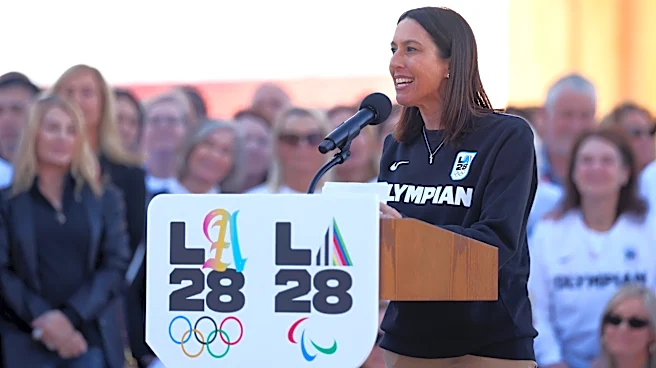
Organizers for the Los Angeles 2028 Olympic and Paralympic Games (LA28) are focusing on marketing and promotion for the Cultural Olympiad rather than directly funding arts programming. With less than two years until the event, LA28's cultural leaders,
including Executive Director Nora Halpern, state their role is to support existing cultural activity through a digital platform and subsidize admission, not to act as grant makers. This approach has led Los Angeles arts groups to independently seek funding and coordinate efforts for cultural celebrations. Foundations and private donors are beginning to respond, with initiatives like "Summer of '28 – Only in L.A.," launched by the Perenchio Foundation and Kohl Family Foundation, inviting proposals from arts organizations. Philanthropist Jerry Kohl is also gathering supporters for ambitious cultural projects. This strategy differs from what many arts administrators had anticipated, with some envisioning a model similar to Getty's PST ART, which combines exhibition funding with coordinated promotion. LA28's own plans include 16 official art posters and 28 free film screenings, alongside a promotional mark and digital calendar for participating programs.
Why It's Important?
This decision by LA28 to primarily offer marketing support rather than direct funding for the Cultural Olympiad shifts the financial burden onto local arts organizations and private philanthropy. This could lead to a more decentralized and diverse range of cultural events, as independent groups and donors shape the programming. However, it also presents challenges for smaller organizations or those with limited fundraising capabilities, potentially creating an uneven landscape of participation. The emphasis on marketing aims to leverage the existing vibrant arts ecosystem of Los Angeles, but without direct financial investment, some ambitious projects might struggle to materialize. The involvement of major philanthropic entities like the Perenchio and Kohl Family Foundations, along with the California Community Foundation, highlights the critical role private funding will play in realizing the cultural ambitions surrounding the Games. This model could set a precedent for future large-scale events in the U.S., where organizers rely more on community-driven and privately funded cultural components.
What's Next?
Arts organizations in Los Angeles will continue to develop their programming and seek funding independently for the LA28 Cultural Olympiad. The "Summer of '28 – Only in L.A." initiative has a December 11 deadline for concept submissions from arts groups with annual operating budgets of at least $1 million, with grants expected to be awarded in February. The California Community Foundation anticipates announcing further details about its collaborative efforts with funders and local organizations in the first quarter of 2027. LA28 plans to announce more of its own programming next year, which will likely focus on promotional tools and official events. Arts for LA is also exploring a countywide ballot measure for 2028 to support cultural and community investment beyond the Games. Local public agencies, including the City of Los Angeles and the county, are also committing funds from existing budgets and building on current grant programs to support cultural activities.
Beyond the Headlines
The LA28 organizers' approach raises questions about the role of major international events in fostering local culture versus leveraging existing cultural assets. By not acting as direct grant makers, LA28 is essentially decentralizing the curatorial and financial responsibility for the Cultural Olympiad. This could lead to a more organic and community-led celebration, reflecting the diverse artistic landscape of Los Angeles. However, it also places significant pressure on the philanthropic sector and local arts infrastructure to fill the financial void. The model echoes historical precedents, such as the 1987 Fringe Festival/Los Angeles, which relied on local artists securing their own funding while benefiting from organizational support and visibility. This strategy might encourage innovative funding models and collaborations among arts groups, but it also risks excluding organizations that lack robust fundraising networks, potentially limiting the inclusivity and reach of the cultural programming. The long-term impact could be a re-evaluation of how major events engage with and support local arts communities.