







What's Happening?
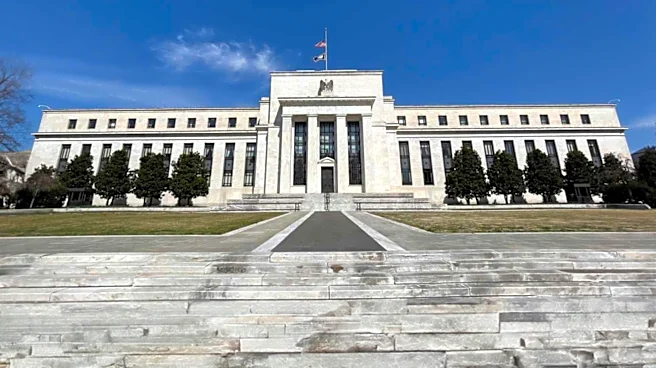
Despite strong economic indicators such as robust consumer spending and job growth, many Americans remain skeptical about the state of the U.S. economy. Reports from the Federal Reserve Bank of New York indicate that a significant portion of Americans feel
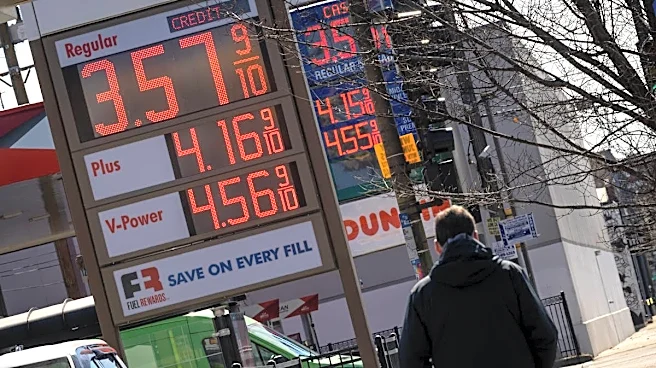
their economic circumstances have worsened compared to a year ago. This sentiment persists despite the economy's resilience in the face of challenges like higher tariffs and geopolitical tensions. Rising gasoline prices and inflation have contributed to consumer pessimism, even as the economy continues to add jobs and maintain spending levels.
Why It's Important?
The disconnect between economic indicators and consumer sentiment highlights the complexity of economic recovery. While macroeconomic data suggests resilience, individual perceptions are influenced by factors like inflation and personal financial experiences. This disparity can affect consumer behavior, potentially impacting economic growth. Policymakers and economists must address these concerns to ensure that economic recovery is inclusive and sustainable. The situation underscores the importance of managing inflation and communicating economic policies effectively to restore consumer confidence.
What's Next?
As inflationary pressures continue, the U.S. government and Federal Reserve may need to implement measures to stabilize prices and support consumer confidence. Monitoring consumer sentiment will be crucial in assessing the effectiveness of these policies. Additionally, addressing wage growth and credit conditions could help alleviate financial strains on households. The upcoming economic reports and policy decisions will be closely watched for their impact on both the economy and public perception.