





What's Happening?
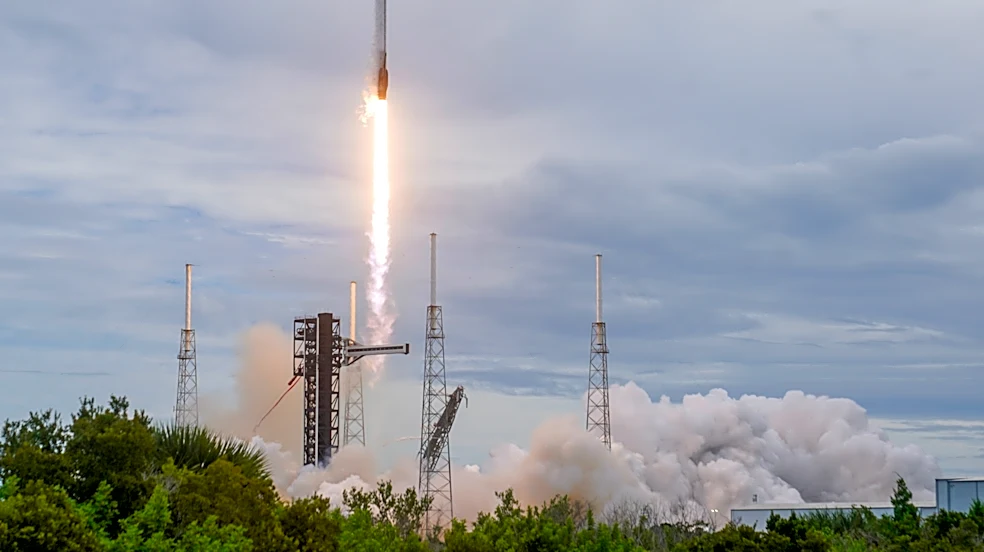
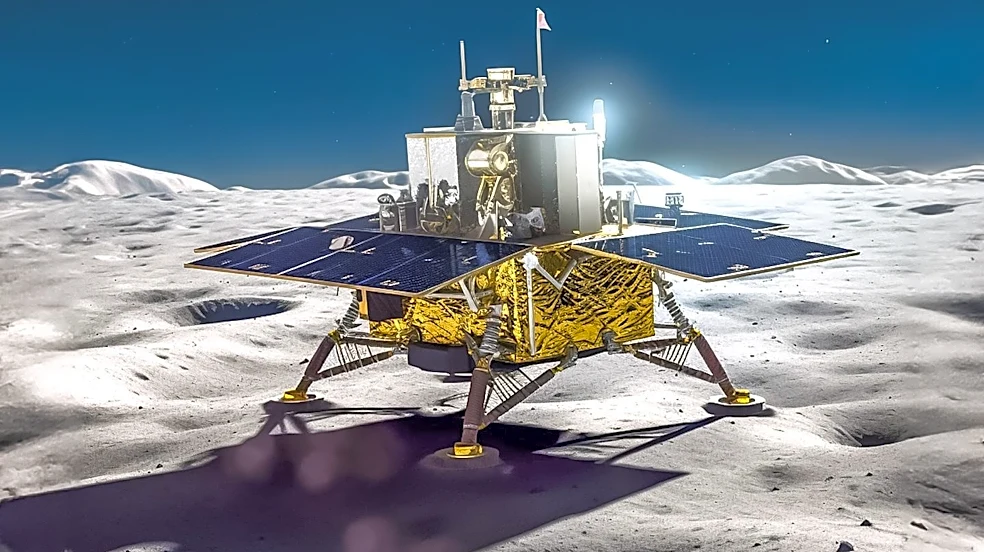
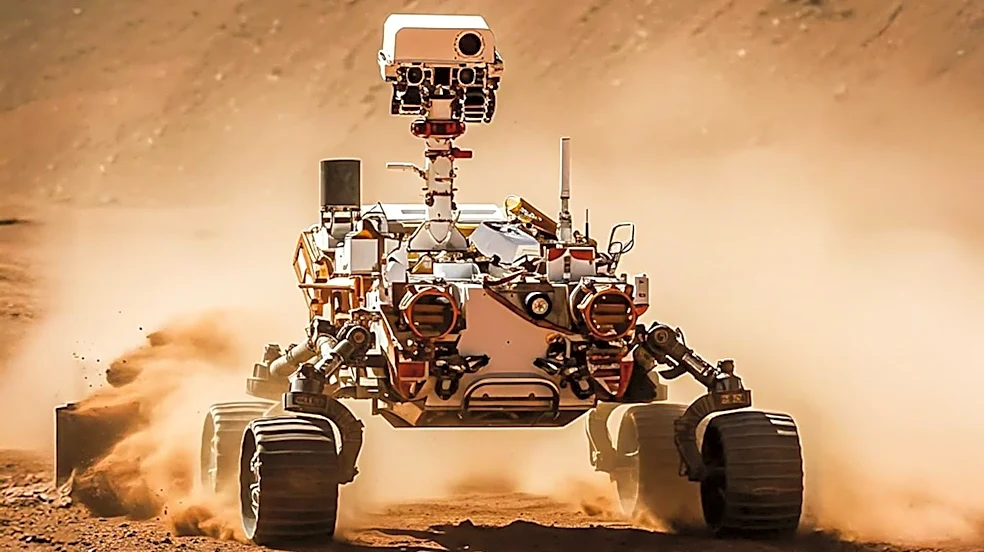
Hewlett Packard Enterprise (HPE) is preparing to send its new AI-compute module, named Spaceborne Computer-4, to the Moon. This module will be deployed on Astrolab’s FLIP rover during a mission anticipated to launch this year. The Spaceborne Computer-4 is designed
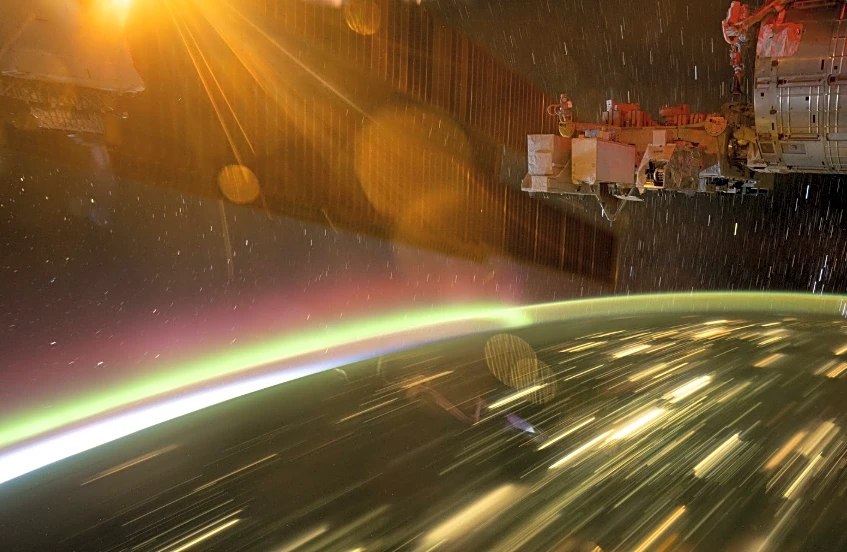
to test large language models, process visual and LiDAR data, and perform autonomous monitoring on the lunar surface. NASA and Deloitte are also involved, planning to deploy their own AI workloads on the Computer-4. NASA will run an AI neural-net model trained on Earth, Moon, and ISS data to demonstrate the coordination of multiple AI models, while Deloitte will deploy its Silent Shield system for cyber intrusion detection and real-time analytics. This marks HPE's fourth Spaceborne Computer, but its first to operate in the vacuum of space, building on previous missions to the International Space Station (ISS) that tested commercial off-the-shelf (COTS) parts and onboard AI capabilities.
Why It's Important?
This mission represents a significant step in advancing edge computing capabilities for future lunar explorations. By enabling data processing and AI applications directly on the Moon, it aims to reduce the reliance on constant communication with Earth, allowing for faster insights and more autonomous operations. This could revolutionize how lunar missions are conducted, making them more efficient and capable of handling complex tasks in real-time. The ability to process data in-situ will be crucial for tasks like mapping the lunar surface and demonstrating scalable AI deployments. For U.S. industries, particularly in technology and space exploration, this initiative showcases the potential for commercial hardware in extreme environments and opens new avenues for AI and high-performance computing applications beyond Earth. It also highlights the growing collaboration between private companies and government agencies like NASA in pushing the boundaries of space technology.
What's Next?
The Astrolab FLIP rover mission, carrying HPE's Spaceborne Computer-4, is expected to launch this year. Following deployment, the module will undergo rigorous testing of its AI capabilities, including large language models and data processing, in the lunar environment. NASA and Deloitte will also execute their planned AI workloads on the system. The insights gained from this mission will be critical for laying the groundwork for future lunar excursions, particularly in leveraging edge computing for enhanced autonomy and data analysis. Success in this endeavor could lead to the development of more sophisticated AI-powered systems for lunar bases, resource utilization, and scientific research, potentially accelerating the timeline for sustained human presence on the Moon and further deep-space exploration.
Beyond the Headlines
The deployment of an AI compute module on the Moon has profound implications beyond immediate mission objectives. Ethically, it raises questions about the increasing autonomy of machines in extraterrestrial environments and the decision-making processes that will govern them. Legally, it could influence future international agreements on space resource utilization and the governance of AI in space. Culturally, it signifies a shift towards a more technologically advanced and self-sufficient approach to space exploration, potentially inspiring a new generation of scientists and engineers. This development could also trigger long-term shifts in how data is managed and processed in space, moving from a Earth-centric model to a more distributed, edge-computing paradigm. The ability to detect cyber intrusions on the Moon, as planned by Deloitte, also underscores the growing importance of cybersecurity in space infrastructure, an area that will become increasingly critical as space activities expand.