
What's Happening?
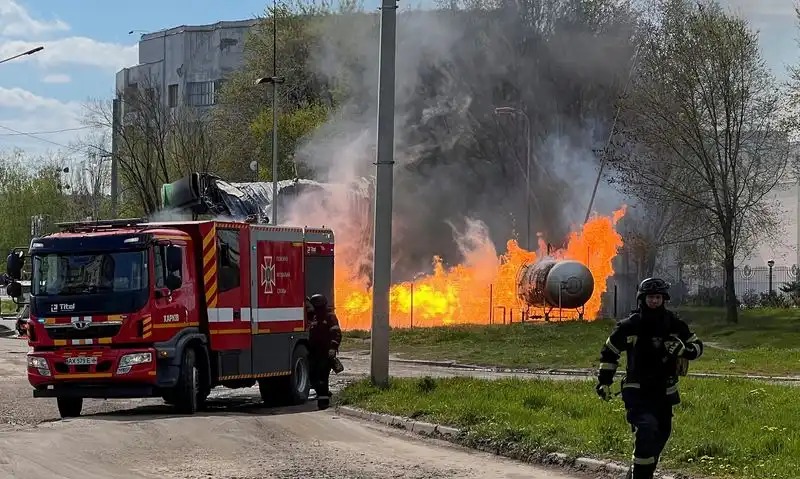
Russia's spring offensive in Ukraine has resulted in significant losses, with nearly 100,000 Russian troops reportedly killed or wounded. The offensive, which began in March, aimed to advance across Ukraine's
front lines but achieved minimal territorial gains. Ukrainian forces have effectively used drone warfare to disrupt Russian logistics and reserves, contributing to the high casualty rate. The Institute for the Study of War reported that Russian forces have failed to make significant operational progress, with the Donetsk region seeing the heaviest losses. Ukraine continues to control substantial territory, and the conflict remains ongoing.
Why It's Important?
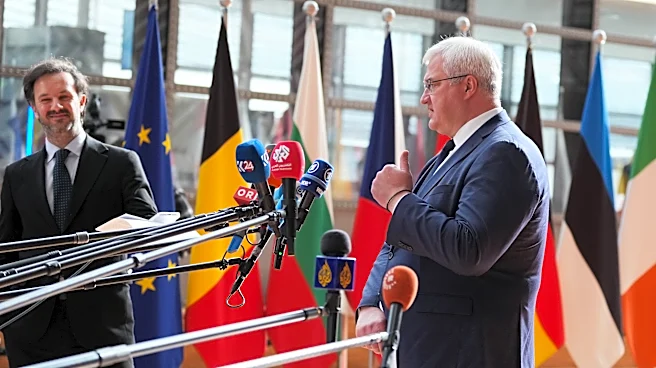
The failure of Russia's offensive highlights the resilience and strategic capabilities of Ukrainian forces, particularly in their use of drone technology. This development has implications for the broader geopolitical landscape, as it underscores the challenges Russia faces in achieving its military objectives. The high casualty rate may impact Russian domestic support for the war and strain its military resources. Additionally, the conflict continues to affect global security dynamics, with potential repercussions for NATO and European Union member states.
What's Next?
As the spring offensive concludes, Russia is reportedly preparing for a new summer campaign. However, challenges such as manpower shortages and logistical difficulties may hinder future operations. Ukraine's continued resistance and strategic use of technology could further complicate Russian efforts. The international community will likely monitor the situation closely, with potential diplomatic interventions aimed at de-escalating the conflict.