








What's Happening?
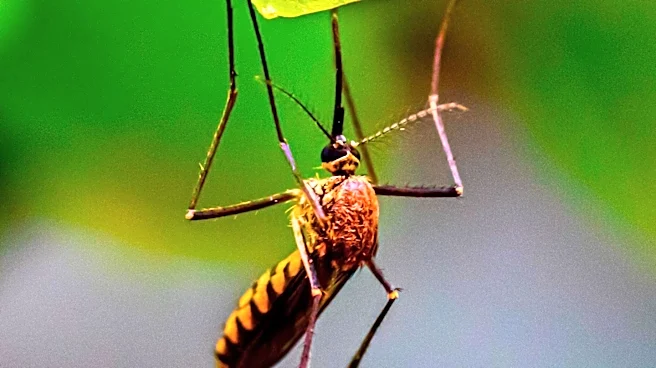
In Wauwatosa, Wisconsin, mosquitoes have tested positive for the West Nile Virus, marking the first positive samples since monitoring began in mid-June. While no human cases have been reported in the state for 2026, the virus has been detected in birds
and mosquitoes elsewhere in Wisconsin. The West Nile Virus spreads through the bite of an infected mosquito, which acquires the virus from feeding on infected birds. The virus does not spread directly from person to person. Health officials emphasize the importance of reducing exposure to mosquitoes and eliminating breeding sites to prevent the spread of the virus.
Why It's Important?
The detection of West Nile Virus in mosquitoes highlights the ongoing risk of mosquito-borne diseases in the U.S. While most people infected with the virus do not experience symptoms, it can cause severe illness in individuals with compromised immune systems, including older adults. The presence of the virus in mosquitoes underscores the need for public health measures to prevent outbreaks. By reducing mosquito exposure and breeding sites, communities can mitigate the risk of transmission and protect vulnerable populations from potential health complications.