






What's Happening?
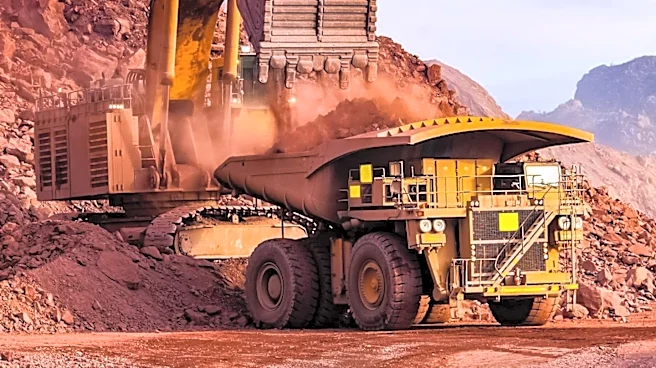
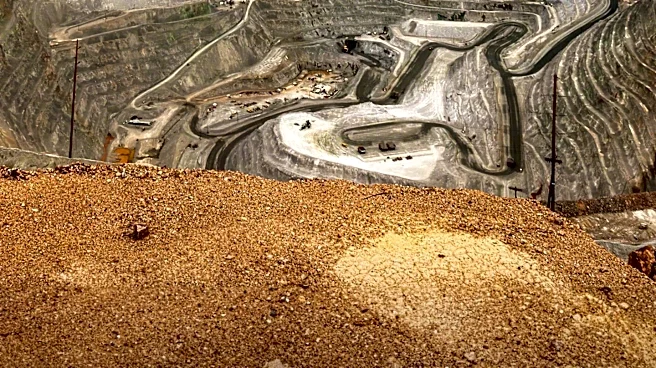
The Democratic Republic of the Congo (DRC) is facing challenges with uranium being a byproduct in its cobalt exports. Due to the co-mineralization of uranium and cobalt, uranium often accompanies cobalt through the extraction and export processes. The DRC's
regulatory and infrastructure capacity has not kept pace with the rapid growth of its extractive industries, leading to significant uranium content in cobalt exports. The government had mandated cobalt to be exported as refined metal to add value, but inadequate electricity supplies and enforcement have resulted in exports primarily in the form of less-processed cobalt hydroxide. This form does not exclude impurities like uranium, which remains in the product unless specifically removed. The DRC's cobalt exports are crucial for global industries, but the presence of uranium poses environmental and safety risks.
Why It's Important?
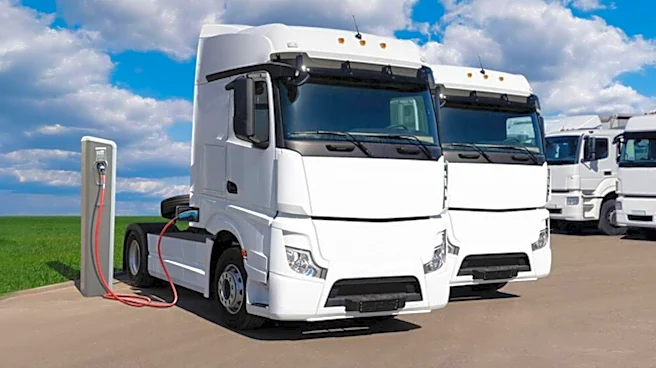
The presence of uranium in cobalt exports from the DRC has significant implications for global industries reliant on cobalt, such as electric vehicle manufacturing and electronics. The uranium content poses environmental and safety risks, potentially affecting international trade and regulatory compliance. The DRC's inability to effectively manage and remove uranium from cobalt exports could lead to increased scrutiny and regulatory challenges from importing countries. This situation highlights the need for improved infrastructure and regulatory frameworks in the DRC to ensure safe and compliant export practices. The ongoing issue also underscores the broader challenges faced by resource-rich developing countries in managing their natural resources sustainably and safely.
What's Next?
To address the uranium issue, the DRC may need to enhance its regulatory frameworks and invest in infrastructure to support more refined processing of cobalt. This could involve international cooperation and investment to develop technologies and processes that effectively remove uranium from cobalt products. Importing countries might impose stricter regulations on cobalt imports from the DRC, potentially affecting the global supply chain. The DRC's government and industry stakeholders will need to collaborate to find sustainable solutions that ensure the safety and compliance of their exports while maintaining economic benefits from their natural resources.
Beyond the Headlines
The uranium issue in the DRC's cobalt exports raises ethical and environmental concerns, particularly regarding the health and safety of local communities involved in mining. Artisanal mining practices, which are prevalent in the DRC, often involve unsafe working conditions and expose workers to hazardous materials, including uranium. This situation highlights the need for improved labor practices and environmental protections in the mining sector. Additionally, the global reliance on cobalt for green technologies, such as electric vehicles, presents a paradox where the pursuit of sustainable energy solutions may inadvertently contribute to environmental and social challenges in resource-rich regions like the DRC.