







What's Happening?
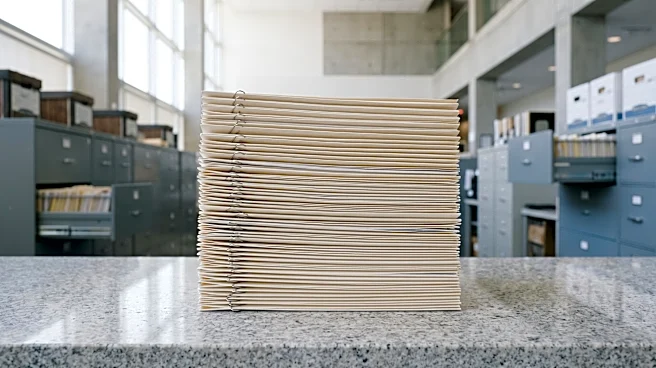
The Department of Veterans Affairs (VA) has centralized its evidence intake process for disability compensation claims at a facility in Janesville, Wisconsin. This center serves as the primary gateway for all physical and digital evidence, including medical
records, nexus letters, and lay statements, related to veterans' disability claims. The centralization aims to streamline the claims process and eliminate the 'lost paper' syndrome that previously plagued the VA. All incoming documents are timestamped, scanned, and indexed into the Veterans Benefits Management System (VBMS), creating an electronic C-File (Claims File) for each veteran. This digital transformation allows VA employees nationwide to access records simultaneously, significantly reducing the transit time that occurred when physical files were moved between regional offices. While local VA Regional Offices exist, they generally prefer that supplemental evidence be sent directly to the Janesville facility. For pension claims, the address may differ, often located in Milwaukee or Philadelphia.
Why It's Important?
The centralization of the VA's evidence intake center is a critical development for veterans seeking disability benefits. By creating a single, high-volume processing hub, the VA aims to improve efficiency and accuracy in handling claims, potentially reducing wait times and administrative delays. This streamlined approach is designed to ensure that all submitted evidence is properly recorded and accessible, which is crucial for a fair and timely decision on a veteran's claim. The shift from a decentralized, paper-based system to a centralized, digital one represents a significant modernization effort within the VA. For veterans, understanding this process and knowing the correct submission methods (mail, fax, or digital upload) is vital to navigating the system effectively and ensuring their evidence is considered. The initiative seeks to prevent documents from getting lost and to provide a more transparent and accountable system for managing sensitive veteran information.
What's Next?
Veterans are encouraged to utilize specific methods for submitting evidence to the Janesville intake center to ensure timely processing. Options include traditional mail (preferably Certified Mail with Return Receipt Requested), fax (using the toll-free number 844-531-7818 for immediate confirmation), or digital upload via AccessVA or Direct Upload tools. The VA is actively promoting digital uploads to bypass the mailroom entirely. After submission, it typically takes 7-10 days for mailed documents and 48-72 hours for faxed documents to appear as 'received' in the VA.gov portal. Veterans are advised to include identifying information (full name and Social Security Number) on every page, avoid staples, use standard letter-sized paper, and refrain from using highlighted text to prevent processing issues. If documents do not appear in the C-File within two weeks, veterans should contact the VA Benefits Hotline at 1-800-827-1000 with their tracking or confirmation numbers.
Beyond the Headlines
The VA's centralized evidence intake system, while designed for efficiency, also highlights the ongoing challenges of managing vast amounts of documentation for a large population. The emphasis on digital submission and specific formatting guidelines underscores the need for veterans to be tech-savvy or have support in navigating these processes. This digital transformation, while beneficial, could inadvertently create barriers for veterans who lack access to technology or assistance. The 'lost paper' syndrome of the past speaks to the bureaucratic complexities inherent in large government agencies, and the current system aims to mitigate these. However, the potential for 'unidentified documents' or delays still exists, placing a continued burden on veterans to meticulously track their submissions. This initiative reflects a broader trend in government services towards digitization, aiming to improve service delivery but also requiring citizens to adapt to new procedural demands.