





What's Happening?
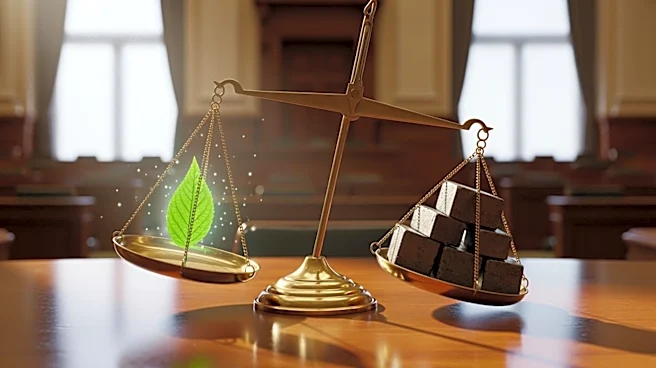
The New York State Legislature has voted to approve significant rollbacks to the state's 2019 climate law, following a campaign led by Governor Kathy Hochul. The original law mandated a 40% reduction in greenhouse gas emissions by 2030, but the new legislation
replaces this with a non-mandatory target of a 60% reduction by 2040, to be achieved 'to the maximum extent feasible' and in a 'cost-effective' manner. The decision comes after Hochul argued that the original mandates would lead to increased costs for New Yorkers. The changes also extend the timeframe for assessing the environmental impact of greenhouse gases from 20 to 100 years, reducing the emphasis on methane. Additionally, emissions from imported fossil fuels will no longer be counted in the state's carbon accounting. The move has faced opposition from some Democrats and environmental groups, who argue it undermines New York's position as a climate leader.
Why It's Important?
The rollback of New York's climate law is significant as it reflects a shift in balancing environmental goals with economic concerns. The decision could impact New York's ability to meet its climate targets and influence other states' climate policies. The changes are supported by business groups who argue they will help manage costs for businesses and consumers. However, environmental advocates warn that the amendments could hinder efforts to combat climate change, especially as the effects of climate change become more pronounced. The decision highlights the ongoing debate between economic growth and environmental sustainability, with potential implications for public policy and climate action at both state and national levels.
What's Next?
Following the approval of the budget bill, Governor Hochul's administration will need to develop new regulations by 2028 to guide the state towards its revised emissions goals. This may include considering a cap-and-invest program or other emissions-reduction strategies. The administration's approach will be closely watched by environmental groups, businesses, and policymakers, as it will set the course for New York's climate strategy in the coming years. The outcome could also influence legal challenges and shape future legislative efforts to address climate change.
Beyond the Headlines
The rollback of New York's climate law raises questions about the state's commitment to environmental leadership and the potential long-term impacts on climate policy. The decision to extend the timeframe for assessing greenhouse gas impacts and exclude certain emissions from accounting could set a precedent for other states. Additionally, the move may affect New York's alignment with international climate agreements, such as the Paris Climate Accord. The changes also underscore the challenges of implementing ambitious climate policies in the face of economic and political pressures.