



What's Happening?
The city of South Portland is reprinting its municipal ballots after a vendor identified a typo on a public safety bond question. While the bond principal and estimated interest were correctly stated, the total of these two figures was inaccurately listed.
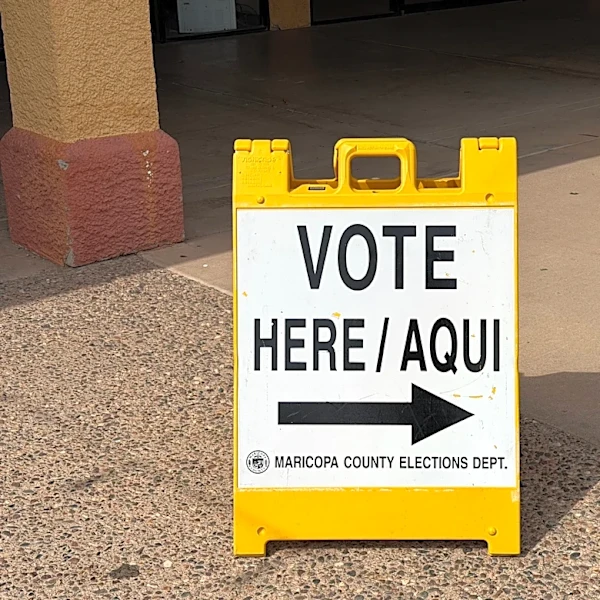
The city had submitted the correct total of $150,398,500, but the ballots mistakenly displayed $105,398,500 due to a transposed number. The new ballots will be reprinted at no cost and are expected to arrive by the end of the week. Early voting at South Portland City Hall will continue, with voters being informed of the error at the polls and a notice posted in voting booths. Voters who cast ballots before the error was discovered will be notified, and those who received an absentee ballot with the error will also be informed. The city has stated that inaccurate ballots will still be counted as valid, but voters can contact the City Clerk's office if they believe the error affected their vote, allowing them to spoil their original ballot and receive a new one. This incident follows a separate issue where several western Maine towns received incorrect ballots that excluded at least one candidate for the Maine House of Representatives due to a packaging error, affecting a small number of distributed ballots.
Why It's Important?
This ballot error in South Portland highlights critical issues in election integrity and voter confidence. Even a seemingly minor transposition of numbers can significantly misrepresent the financial implications of a bond question, potentially swaying public opinion or leading to voter confusion. The city's swift action to reprint ballots and inform voters is crucial for maintaining transparency and trust in the electoral process. Such errors, if not promptly addressed, could lead to legal challenges, demands for recounts, or a general distrust in election outcomes. For local governance, accurately presenting financial information on public referendums is paramount, as it directly impacts taxpayer commitments and the city's fiscal planning. The incident also underscores the importance of rigorous quality control in the ballot printing and distribution process, as similar errors have occurred in other parts of Maine. Ensuring that all information presented to voters is precise and unambiguous is fundamental to democratic principles and the fair execution of elections.
What's Next?
The reprinted ballots are anticipated to arrive by the end of the week, allowing the city to continue its early voting process with corrected materials. The City Clerk's office will continue to inform voters about the error at polling stations and through notices. Voters who have already cast their ballots and wish to change their vote due to the error will be able to do so by contacting the City Clerk, who will mark their original ballot as spoiled and issue a new one. This process aims to mitigate any potential impact of the error on individual votes. The city will also need to ensure that all election workers are fully briefed on the situation to provide accurate information and assistance to voters. Beyond the immediate resolution, election officials may review their procedures for ballot proofing and vendor oversight to prevent similar issues in future elections. The incident may also prompt broader discussions at the state level regarding ballot verification protocols, especially given the separate issue of incorrect ballots distributed in western Maine towns.
Beyond the Headlines
The South Portland ballot error, while seemingly a logistical oversight, touches upon deeper themes of civic engagement and the mechanics of local democracy. In an era where election integrity is frequently scrutinized, any error, however unintentional, can fuel skepticism and erode public trust. This incident underscores the complex chain of custody and verification required for even local elections, from initial submission of ballot language to final printing and distribution. It also highlights the reliance on third-party vendors in critical democratic processes and the need for robust oversight mechanisms. The city's response—offering voters the chance to change their vote—is a practical measure to uphold voter intent, but it also places an additional burden on both voters and election staff. This situation could serve as a case study for other municipalities on the importance of multi-layered checks and balances in election administration, emphasizing that even minor details can have significant implications for the perceived fairness and accuracy of democratic outcomes.