
What's Happening?
Memorial Day, originally known as Decoration Day, is a U.S. holiday dedicated to honoring military personnel who have died in service. The holiday's origins trace back to the Civil War era, when it was
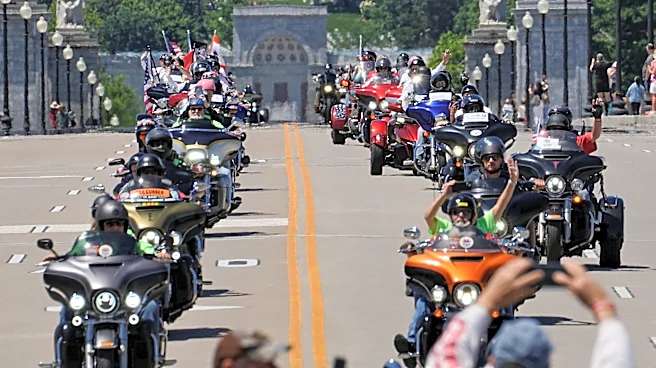
first observed on May 30, 1868, as a day to decorate the graves of fallen soldiers with flowers. This tradition was initiated by General John A. Logan of the Grand Army of the Republic. Over time, the holiday evolved, and in 1971, Congress passed the Uniform Monday Holiday Act, officially designating the last Monday in May as Memorial Day. This change aimed to create a long weekend for federal employees. The day is now widely recognized as the unofficial start of summer, marked by various ceremonies and events across the country.
Why It's Important?
Memorial Day serves as a poignant reminder of the sacrifices made by military personnel in defense of the United States. It underscores the nation's commitment to honoring those who have given their lives in service. The holiday also reflects broader societal values, emphasizing remembrance and gratitude. As a federal holiday, it provides an opportunity for Americans to reflect on the cost of freedom and the importance of national unity. Additionally, Memorial Day has become a cultural touchstone, marking the beginning of summer and a time for family gatherings, which helps reinforce community bonds.
What's Next?
As Memorial Day continues to be observed, there is an ongoing effort to ensure that its original purpose of honoring fallen soldiers is not overshadowed by commercial activities. Educational initiatives and public ceremonies play a crucial role in maintaining the holiday's significance. In the future, there may be increased emphasis on integrating historical education into Memorial Day events to deepen public understanding of its origins and importance. Additionally, as the nation evolves, the ways in which Memorial Day is celebrated may continue to adapt, reflecting changes in societal values and priorities.