
What's Happening?
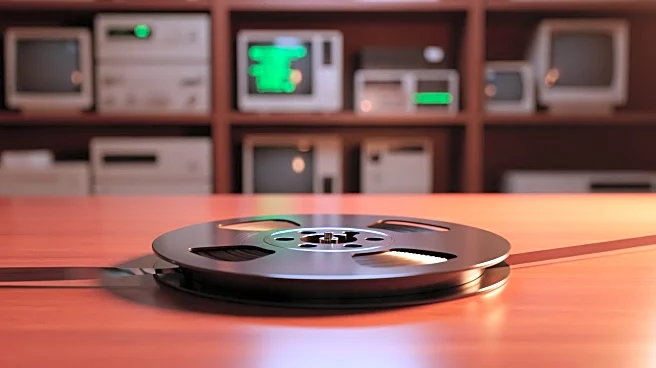
The source code for UNIX version 4, a historically significant operating system, has been successfully recovered from a magnetic tape found in a University of Utah storeroom. This version of UNIX is notable
for being the first to be written in the C programming language rather than PDP-11 assembly language. The recovery was conducted by Al Kossow of Bitsavers, who utilized the ReadTape program to reconstruct the data from the raw flux data of the tape read head. Despite the tape's age, the data was largely intact, allowing for the preservation of this important piece of computing history. The recovered files are now hosted on Archive.org, providing access to the multi-gigabyte raw tape data, including the tape file in SimH format and the filesystem.
Why It's Important?
The recovery of UNIX V4's source code is a significant event for the computing community, as it preserves a crucial part of the history of operating systems. UNIX V4 laid the groundwork for modern UNIX systems, influencing the development of various UNIX-like operating systems, including BSD Unix and its successors like FreeBSD. This recovery not only provides historical insight but also offers educational opportunities for those interested in the evolution of software development. It highlights the importance of digital preservation and the challenges associated with maintaining access to legacy software and data formats.
What's Next?
With the source code now accessible, enthusiasts and historians can explore the early design and implementation of UNIX systems. This may lead to further research and analysis of the development practices of the time. Additionally, the availability of the code could inspire projects aimed at emulating or running UNIX V4 on modern systems, providing a practical demonstration of its functionality and design principles. The recovery also underscores the need for ongoing efforts in digital preservation to ensure that other historical software artifacts are not lost to time.
Beyond the Headlines
The recovery of UNIX V4's source code raises broader questions about the preservation of digital artifacts and the role of institutions in safeguarding technological history. It highlights the potential for forgotten or overlooked data to be rediscovered and the importance of maintaining archives that can be accessed by future generations. This event may encourage other institutions to examine their own archives for potentially significant historical data, fostering a culture of preservation and appreciation for the roots of modern technology.