


What's Happening?
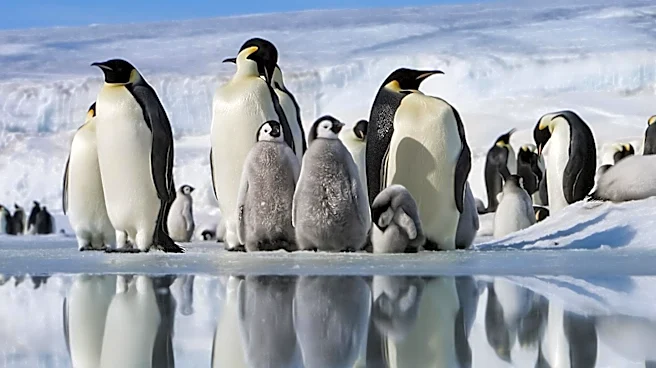
Researchers have utilized satellite imagery to track changes in the diets and populations of Adélie penguins in Antarctica. The study, published in Current Biology, reveals that penguin colonies in West Antarctica, which consume more krill, are experiencing
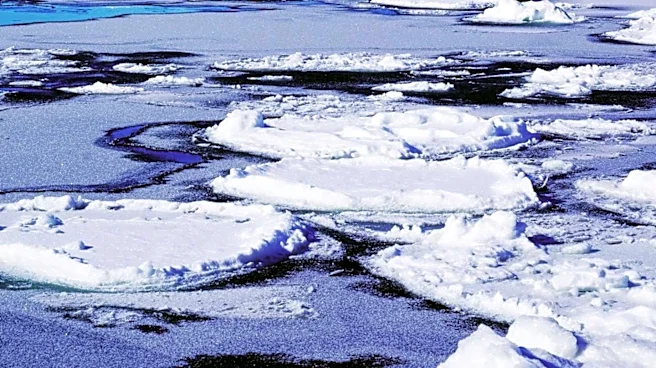
population declines compared to those in East Antarctica that have a fish-heavy diet. The decline in sea ice is linked to these dietary shifts, as krill are more prevalent in areas with less sea ice. The research highlights the use of satellite data to monitor ecological changes over time, providing insights into how environmental changes affect the Southern Ocean ecosystem.
Why It's Important?
The findings underscore the impact of environmental changes on Antarctic ecosystems, particularly the role of sea ice in influencing penguin diets and populations. As krill are a crucial food source for many Antarctic species, changes in their availability due to declining sea ice could have broader ecological implications. This research emphasizes the importance of long-term satellite data in understanding and predicting the effects of climate change on marine ecosystems. The study also raises concerns about the sustainability of krill fishing and its potential impact on Antarctic wildlife.
What's Next?
Future research will focus on understanding the direct impact of krill fishing on penguin diets and populations. Continued monitoring using satellite imagery will help scientists track changes in prey availability and ecosystem dynamics. This data is crucial for informing conservation strategies and managing krill fisheries to ensure the sustainability of Antarctic ecosystems. Collaboration among international researchers will be essential to address these complex environmental challenges.