
What's Happening?
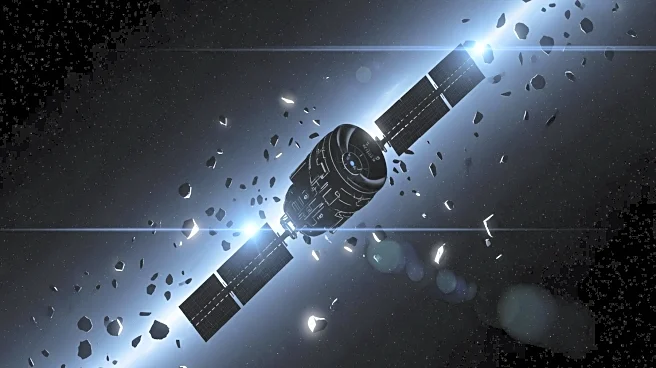
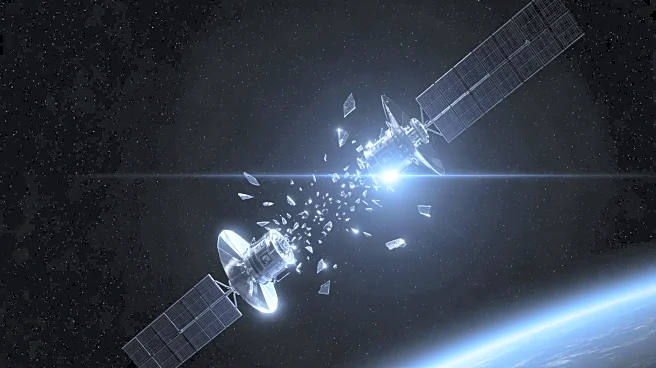
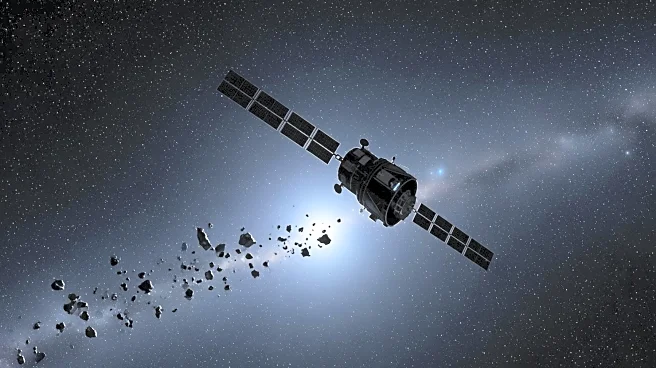
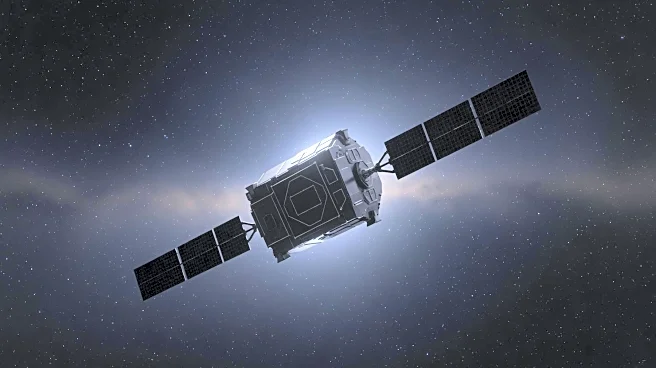
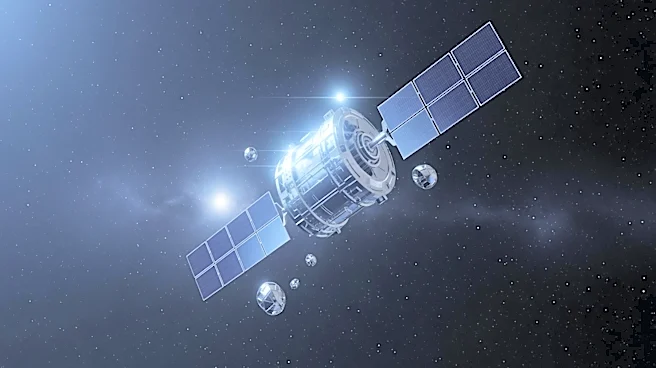
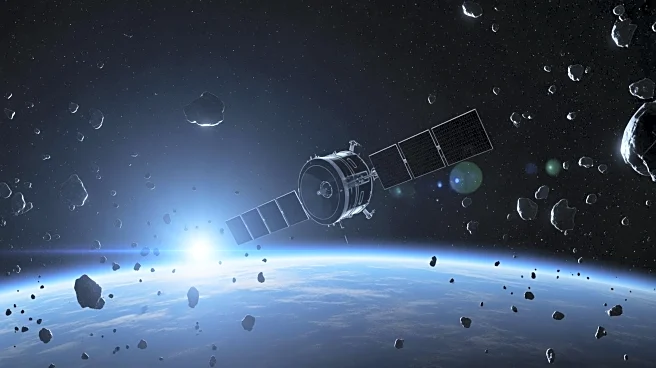
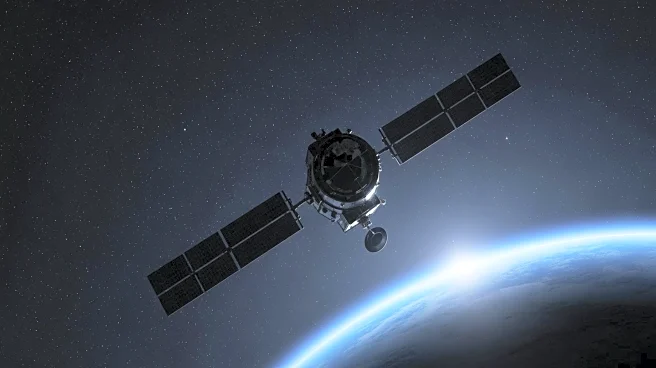
A Starlink satellite, numbered 34343, unexpectedly broke apart on March 29, 2026, while orbiting approximately 350 miles above Earth. The breakup resulted in the creation of numerous debris pieces, some of which are expected to re-enter Earth's atmosphere
over the coming weeks. SpaceX, the company behind Starlink, is investigating the cause of the incident, which they termed a 'rapid unscheduled disassembly.' Despite assurances from SpaceX that the debris poses no risk to the International Space Station or the upcoming Artemis II mission, some experts remain skeptical about the potential hazards.
Why It's Important?
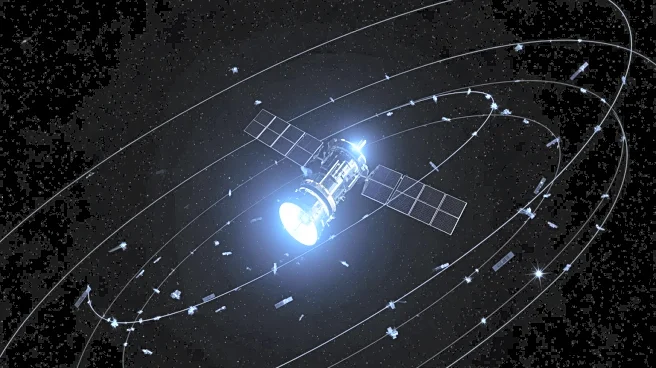
The incident underscores the growing issue of space debris, which poses risks to both current and future space missions. With over 10,000 Starlink satellites in orbit, the potential for similar incidents raises concerns about the sustainability of satellite constellations. The breakup could impact the safety of other spacecraft, including the Artemis II mission, which is set to launch soon. The event highlights the need for robust space traffic management and debris mitigation strategies to ensure the safety and sustainability of space operations.
What's Next?
SpaceX is expected to conduct a thorough investigation to determine the cause of the satellite's breakup and implement measures to prevent future occurrences. The incident may prompt regulatory bodies to review and possibly tighten guidelines for satellite operations and debris management. The space industry and international stakeholders may increase collaboration to address the challenges posed by space debris and enhance the safety of space activities.