







What's Happening?
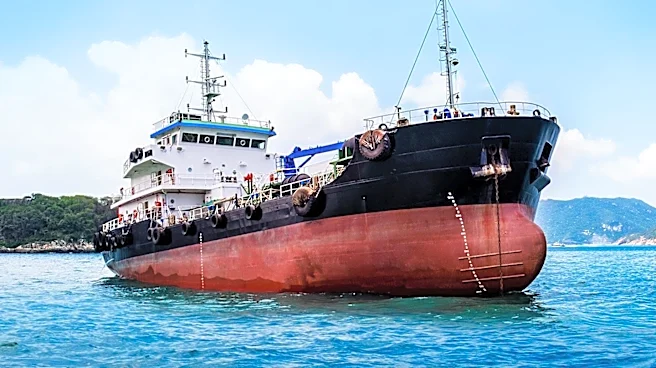
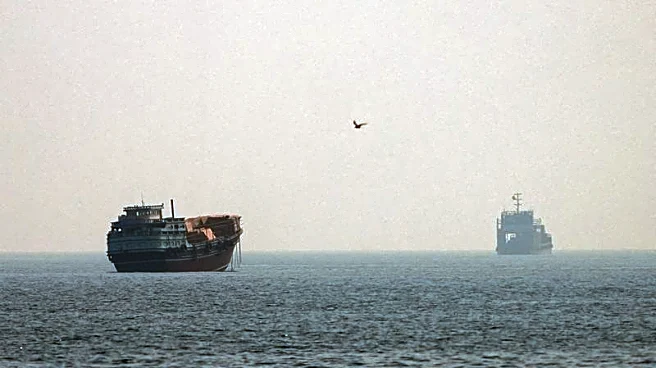
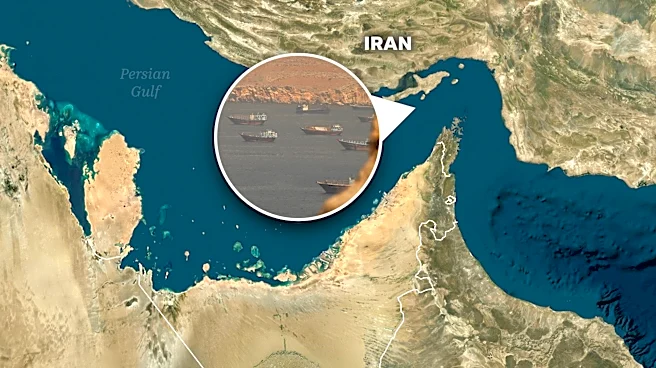
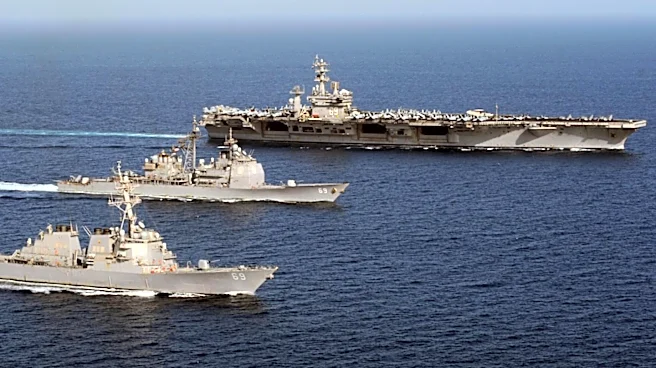
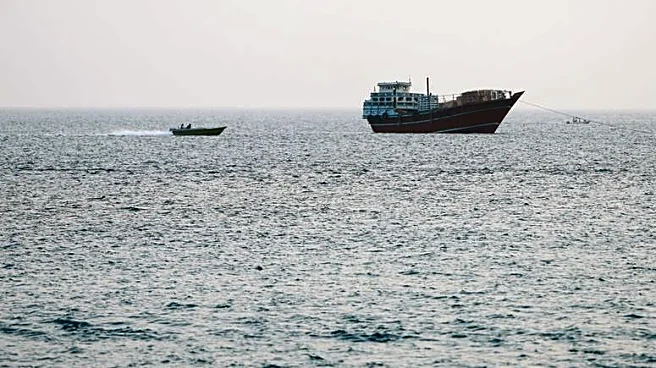
The escalation of conflict between the U.S. and Iran has led to a significant reduction in vessel transits through the Strait of Hormuz, with only three ships crossing on Thursday. This is the lowest number since May, as many ships have halted or reversed
course due to recent Iranian attacks and the U.S. blockade on Iran-related shipping. The strait is a crucial passage for global oil and gas shipments, and the current situation has caused a spike in global energy prices. Two VLCCs carrying crude oil were tracked outside the strait, heading to destinations in Japan and Turkey. Additionally, Iraq briefly halted oil loadings after a drone attack on a tanker, but operations have since resumed.
Why It's Important?
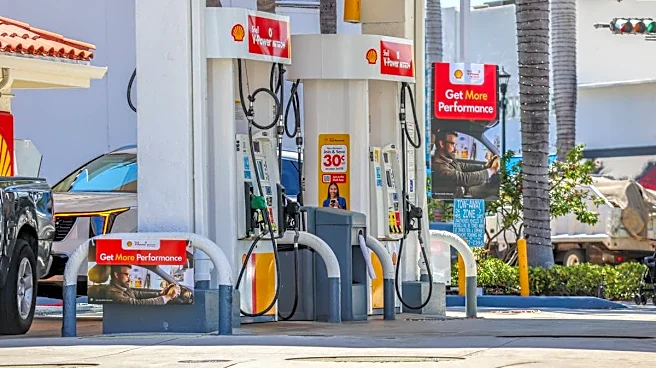
The Strait of Hormuz is a vital artery for the global energy market, and disruptions here can have far-reaching economic implications. The current blockade and attacks have heightened concerns over energy security and the stability of supply chains. The increase in energy prices could have a ripple effect on global economies, particularly those heavily reliant on oil imports. The situation highlights the vulnerability of critical infrastructure to geopolitical conflicts and the potential for such tensions to escalate into broader economic crises.
What's Next?
The situation remains volatile, with potential for further disruptions if tensions between the U.S. and Iran continue to escalate. Iran's threats to halt exports through the strait and possibly close the Bab al-Mandeb strait could lead to increased military and diplomatic efforts to stabilize the region. The international community may seek to mediate and prevent further escalation, while energy markets will remain on high alert for any changes in the status quo.