
What's Happening?
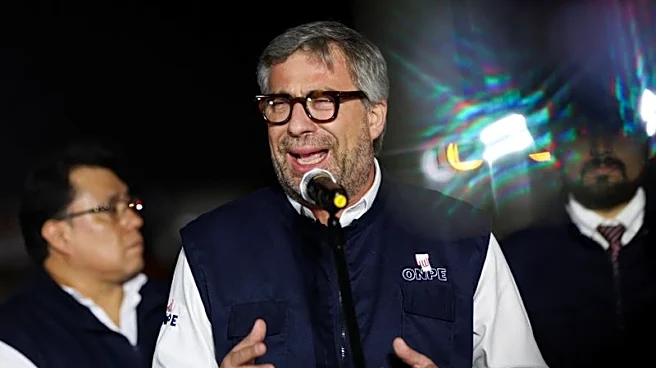
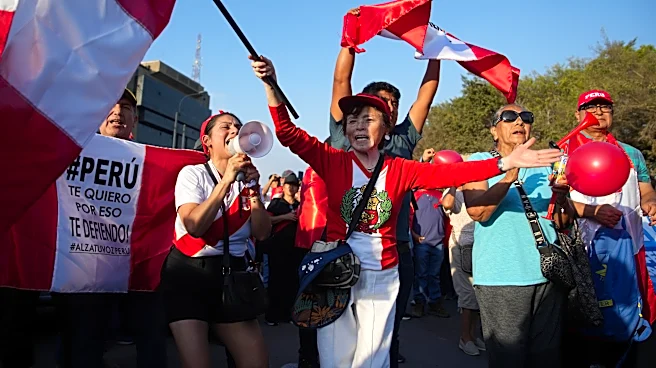
Investors in Peru's mining sector are expressing concerns over the delayed presidential vote count following the country's general election on April 12. The delay, attributed to allegations of irregularities,
has left the final results pending until mid-May. This uncertainty is affecting investor confidence, particularly as the election will determine who will face conservative frontrunner Keiko Fujimori in a June 7 runoff. With 93.6% of ballots counted, Fujimori has secured a place in the second round with about 17% of the vote. Investors are particularly wary of leftist candidate Roberto Sanchez, who is advocating for stronger state control over natural resources and a new constitution. The mining sector, a significant part of Peru's economy, is closely watching these developments as they could impact future investments and operations.
Why It's Important?
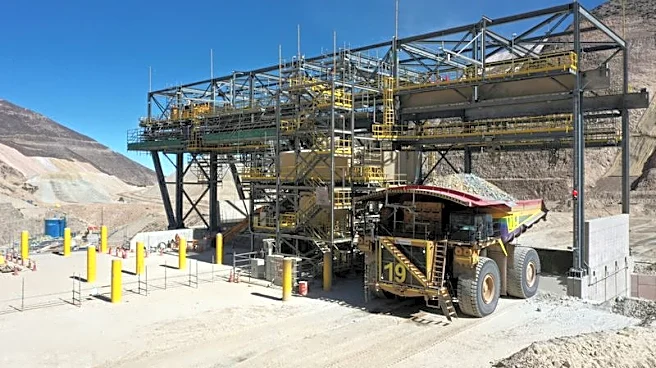
The outcome of Peru's election is crucial for the mining industry, which is a major contributor to the country's economy. Peru is the world's third-largest copper producer, and the sector's stability is vital for both local and international stakeholders. The delay in election results adds a layer of uncertainty that could affect investment decisions, particularly as the country seeks to unlock billions of dollars in stalled mining projects. High copper prices continue to attract interest, but political stability is a key factor for investors. The potential for policy changes under a new administration, especially if led by a candidate like Sanchez who supports increased state control, could lead to shifts in the regulatory environment, impacting both current and future mining operations.
What's Next?
As the vote count continues, investors and industry stakeholders are likely to remain cautious, monitoring the political landscape closely. The final election results, expected by mid-May, will provide more clarity on the future direction of Peru's mining policies. Should Sanchez advance to the runoff and potentially win, there could be significant changes in how mining contracts are handled and how the industry is regulated. This could lead to increased scrutiny and potential renegotiations of existing agreements. Meanwhile, companies like Southern Copper, which have significant investments planned in Peru, will need to assess the political climate and adjust their strategies accordingly.