









What's Happening?
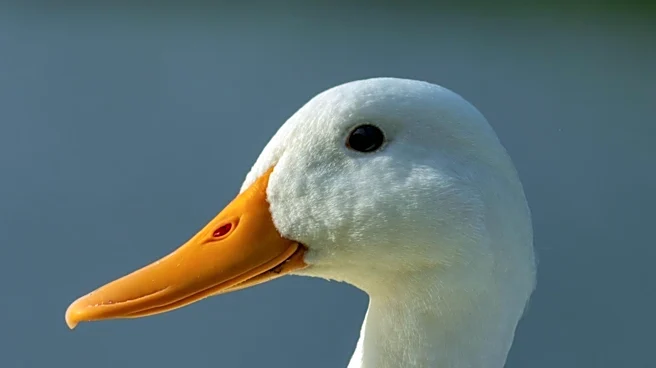
The European Commission has launched an anti-dumping investigation into Pekin duck imports from China. This action follows complaints from five unnamed domestic producers within the European Union, who argue that significant economic distortions in China make
it inappropriate to use domestic prices and costs for calculating normal value. The complainants highlight state interventions in China's economy, including state presence in various sectors, and specific policies like the 14th Five-Year Plan for agricultural modernization. These interventions allegedly distort market conditions, affecting the EU's domestic industry by impacting the volume and prices of imported products, leading to adverse effects on the EU market share and overall industry performance. The probe, which covers the full year 2025, allows interested parties to submit comments within 37 days and request hearings within 15 days. Exporting producers in China are invited to participate, with the possibility of sampling by the Commission.
Why It's Important?
This investigation is significant as it underscores ongoing trade tensions between the European Union and China, particularly in the agricultural sector. The probe could lead to the imposition of tariffs or other trade barriers on Chinese Pekin duck imports, potentially affecting trade dynamics and market prices within the EU. For EU producers, this could mean relief from competitive pressures due to alleged dumping practices, potentially stabilizing prices and market shares. However, for Chinese exporters, this could result in reduced access to the EU market, impacting their revenues and market strategies. The investigation also reflects broader geopolitical and economic tensions, as the EU continues to address what it perceives as unfair trade practices by China.
What's Next?
The next steps involve the collection and analysis of data from Chinese exporters and other stakeholders. The European Commission will assess the evidence and determine whether anti-dumping measures are warranted. If the investigation confirms dumping practices, the EU may impose duties or other restrictions on Pekin duck imports from China. This could prompt responses from China, potentially escalating trade tensions. Stakeholders, including EU producers and Chinese exporters, will likely engage in lobbying and negotiations to influence the outcome. The situation will be closely monitored by international trade observers, as it may set precedents for future trade disputes between the EU and China.