








What's Happening?
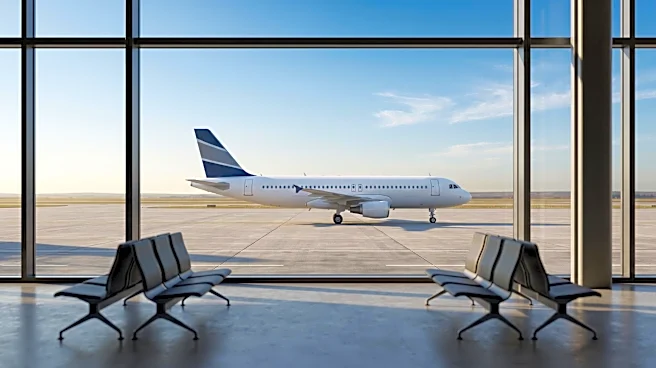
Jenny Jaspers, an Omaha woman with Down syndrome, has successfully flown to North Carolina with an assistant after American Airlines previously prevented her from flying alone. This trip marks her return to Eppley Airfield for travel, months after the
initial incident where the airline deemed her unable to travel without a companion. The resolution allows Ms. Jaspers to undertake her journey with the necessary support, addressing the concerns raised by American Airlines regarding her ability to fly independently. The specific details of the dispute and the terms of the resolution with American Airlines are not fully elaborated in the source, but the outcome indicates a successful arrangement for her travel.
Why It's Important?
This event highlights ongoing challenges and discussions surrounding accessibility and independent travel for individuals with disabilities, particularly within the airline industry. The initial refusal by American Airlines to allow Ms. Jaspers to fly alone underscores the need for clear, consistent, and empathetic policies that balance safety concerns with the rights of individuals with disabilities to travel independently. The subsequent arrangement, allowing her to fly with an assistant, demonstrates a potential pathway for accommodating such travelers. This situation could influence how airlines review and implement their policies regarding passengers with disabilities, potentially leading to more inclusive and supportive travel experiences. It also brings attention to advocacy efforts for disability rights in travel and the importance of ensuring that individuals are not unfairly discriminated against based on their condition.
What's Next?
The successful flight of Ms. Jaspers with an assistant may prompt further review and potential adjustments to American Airlines' policies concerning passengers with disabilities. Other airlines might also examine their own protocols to ensure compliance with disability rights laws and to avoid similar disputes. Advocacy groups for individuals with Down syndrome and other disabilities may use this case to push for clearer guidelines and better training for airline staff on how to interact with and accommodate diverse passenger needs. This incident could also lead to increased public awareness and discussion about the challenges faced by individuals with disabilities in air travel, potentially fostering a more understanding and inclusive environment.
Beyond the Headlines
Beyond the immediate travel arrangements, this incident touches upon broader societal perceptions of individuals with Down syndrome and their capabilities. The initial decision by American Airlines, regardless of its intent, could be perceived as underestimating Ms. Jaspers' independence and autonomy. The resolution, while positive, still involves an assistant, which might spark conversations about the fine line between necessary support and unnecessary restrictions. This case could contribute to a larger dialogue about fostering true independence for individuals with disabilities, not just in travel but in all aspects of life, and challenging preconceived notions about their limitations. It also underscores the power of individual stories in bringing about policy changes and greater societal understanding.