





What's Happening?
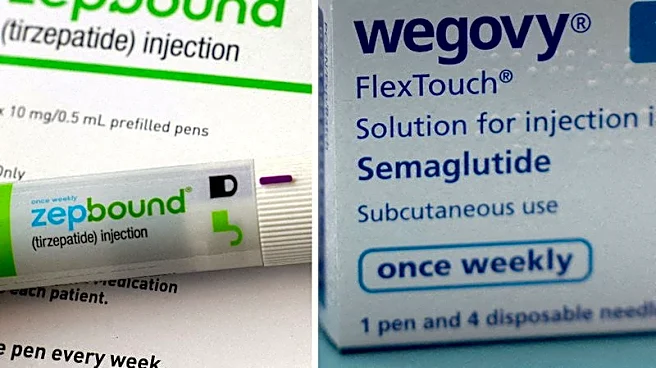
A recent study published in the JCO Oncology Practice journal indicates that GLP-1 medications, commonly used for weight loss, may be associated with a reduced risk of developing breast cancer. The study analyzed health records from over 111,000 women
aged 45 to 80 who were overweight or obese. Findings suggest that women using GLP-1 drugs had a 30% lower risk of developing breast cancer. Dr. Tara Narula, ABC News chief medical correspondent, explained that GLP-1 medications help reduce weight, inflammation, and improve insulin sensitivity, which could potentially lower breast cancer risk. However, the study's lead author, Dr. Elizabeth McDonald, emphasized that the findings are observational and do not definitively confirm a causal relationship.
Why It's Important?
Breast cancer is the second most common cancer among women in the U.S., making this study significant as it adds to the growing body of research on potential cancer prevention strategies. If further research confirms these findings, GLP-1 medications could become a valuable tool in reducing breast cancer incidence, particularly among overweight and obese women. This could lead to changes in public health recommendations and influence the development of new treatment protocols. The study also highlights the importance of addressing obesity and its related health risks, which are prevalent issues in the U.S.
What's Next?
Further research is needed to establish a definitive link between GLP-1 medications and reduced breast cancer risk. This could involve more extensive clinical trials and studies to understand the mechanisms behind the observed effects. If confirmed, healthcare providers might consider incorporating GLP-1 medications into breast cancer prevention strategies, especially for high-risk groups. Additionally, the study may prompt discussions among medical professionals and policymakers about the broader use of weight-loss drugs in cancer prevention.