





What's Happening?
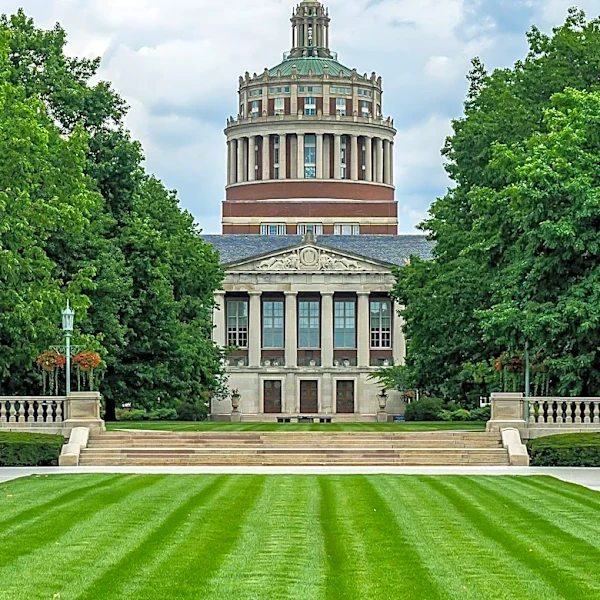
Tyler Technologies, Inc. has announced the winners of its 2026 Maine App Challenge, an annual competition that encourages high school students in Maine to engage in software design and development. The challenge, held in cooperation with the University
of Maine, aims to introduce students to STEM-related disciplines and inspire them to pursue careers in technology. This year, a record 151 app submissions were received, showcasing the creativity and talent of Maine students. The first-place winner, Maxwell House from the Biddeford Regional Center of Technology, developed 'RunUp,' a 3D endless runner game designed to make treadmill workouts more engaging. Second place went to a team from the Maine School of Science and Mathematics for their app 'Shiftlink,' which offers customization for manual car shift knobs. Oliver Emerson from Gorham High School secured third place with 'Investment Investigator V2.0,' a financial tool for managing interest-bearing accounts. Winners received scholarships totaling $10,000 in 529 college savings plans.
Why It's Important?
The Maine App Challenge plays a significant role in promoting STEM education among high school students, which is crucial for preparing the future workforce in technology sectors. By providing students with the opportunity to develop practical skills in software design, the challenge helps bridge the gap between education and industry needs. This initiative not only supports students' educational pursuits through scholarships but also encourages them to consider Maine as a viable location for their future careers. Tyler Technologies' involvement highlights the importance of public-private partnerships in fostering educational opportunities and economic growth within local communities. The challenge also aligns with broader efforts to enhance STEM education nationwide, addressing the growing demand for skilled professionals in technology fields.
What's Next?
Following the announcement of the winners, Tyler Technologies is likely to continue its support for the Maine App Challenge, potentially expanding its reach and impact in future years. The company may also explore additional partnerships with educational institutions to further integrate STEM education into school curriculums. For the students, participation in the challenge could lead to internship opportunities and career pathways within the technology sector, particularly with companies like Tyler Technologies. As the challenge gains more recognition, it may inspire similar initiatives in other states, contributing to a national movement towards strengthening STEM education and workforce development.