








What's Happening?
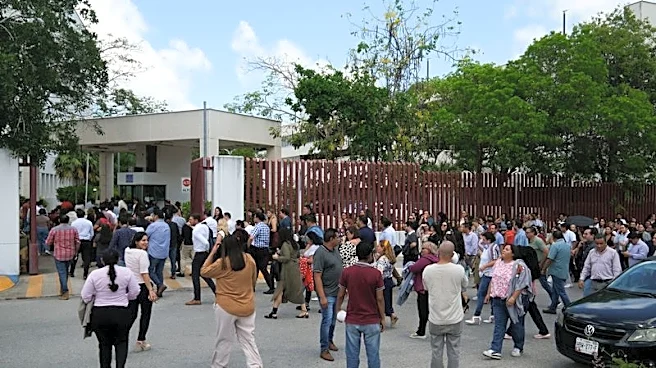
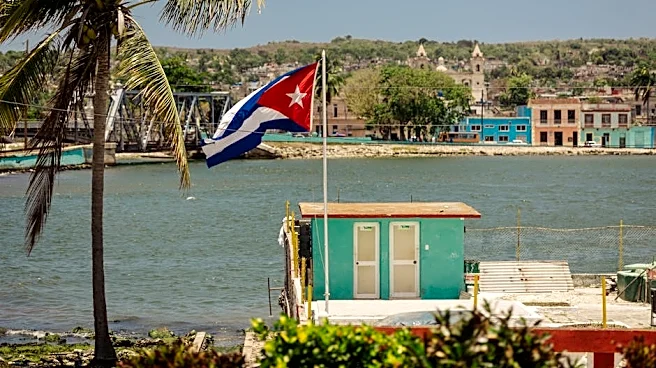
A 6.1-magnitude earthquake occurred off the western tip of Cuba on Monday, with tremors felt across South Florida. The earthquake, which struck in the afternoon, led to the evacuation of several buildings in Miami-Dade County, including a 28-story government
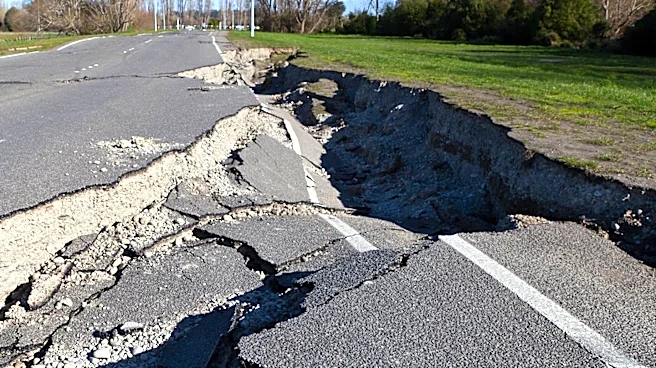
building. Commuter train services were temporarily halted as a precaution. Despite the widespread feeling of the quake, no injuries or significant damage were reported. The U.S. Geological Survey noted that while the Caribbean has experienced numerous earthquakes, few have exceeded a magnitude of 7.5. The region is generally considered low-risk for major seismic events.
Why It's Important?
This earthquake serves as a reminder of the potential for seismic activity in the Caribbean and its impact on nearby regions like South Florida. While the area is more commonly associated with hurricane risks, the event highlights the need for comprehensive disaster preparedness plans that include earthquake scenarios. The lack of significant damage or injuries suggests that existing building codes and emergency protocols were effective, but it also underscores the importance of continued vigilance and readiness. Insurance considerations may also come into play, as residents and businesses evaluate their coverage in light of potential earthquake risks.
What's Next?
Authorities will likely continue to monitor the region for aftershocks and assess any changes in seismic activity patterns. The event may prompt a review of emergency response strategies and building codes to ensure they adequately address the risk of earthquakes. Public awareness campaigns could be launched to educate residents on earthquake preparedness, particularly in areas where such events are rare. Insurance companies may also reassess their policies and premiums in light of the earthquake, potentially affecting coverage options for residents in low-risk areas.