





What's Happening?
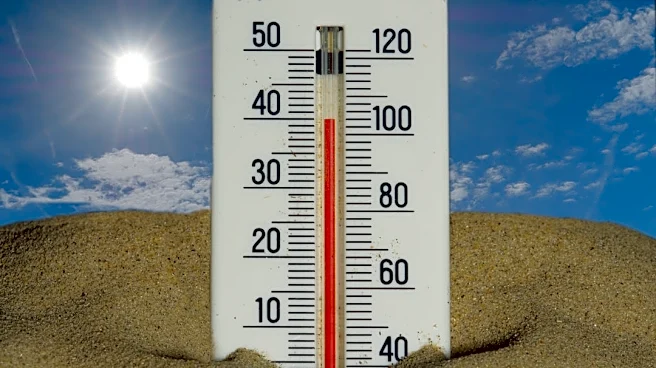
Wichita, Kansas, and surrounding areas in south central and southeast Kansas are currently under a Heat Advisory, which is expected to remain in effect until 8 PM CDT this evening. The National Weather Service has issued this advisory due to anticipated
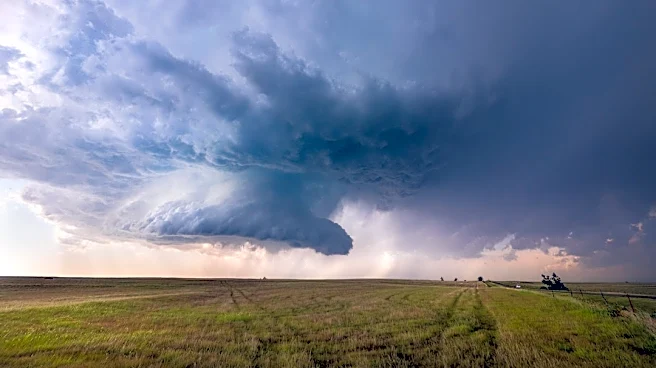
heat index values reaching approximately 108 degrees Fahrenheit. These conditions are a result of high temperatures combined with elevated humidity. Residents are advised to take precautions to avoid heat-related illnesses. The weather forecast for Wichita indicates a high around 100 degrees Fahrenheit with winds from the west-southwest at 10 to 20 mph. Tonight, cloudy skies are expected early, with thunderstorms developing later, and a low of 71 degrees Fahrenheit. There is an 80% chance of rain tonight, with winds from the northeast at 5 to 10 mph. Mist and reduced visibilities are also possible at times.
Why It's Important?
The Heat Advisory in Wichita is important because heat index values of 108 degrees Fahrenheit pose a significant health risk, particularly for vulnerable populations such as the elderly, young children, and individuals with pre-existing health conditions. Prolonged exposure to such conditions can lead to heat exhaustion, heat stroke, and other severe heat-related illnesses, which can be fatal if not addressed promptly. The advisory underscores the need for public awareness and preventative measures to mitigate health impacts. Businesses that rely on outdoor labor may face operational challenges, potentially leading to reduced productivity or the need for adjusted work schedules to ensure worker safety. The increased demand for air conditioning could also strain local power grids, potentially leading to power outages. Furthermore, the advisory highlights the broader trend of extreme weather events, which can have long-term economic and social consequences for communities.
What's Next?
As the Heat Advisory remains in effect until 8 PM CDT this evening, residents are urged to continue taking precautionary measures. These include drinking plenty of fluids, staying in air-conditioned environments, avoiding direct sun exposure, and checking on relatives and neighbors who may be more susceptible to heat-related illnesses. Local authorities and health organizations will likely continue to monitor the situation and provide updates or additional guidance as needed. Following the advisory, the weather forecast indicates a shift to cloudy skies and developing thunderstorms overnight, with a high chance of rain. This change in weather could bring some relief from the extreme heat but may introduce new concerns such as localized flooding or disruptions from severe weather. Businesses and individuals should remain vigilant and prepared for potential changes in weather conditions.
Beyond the Headlines
The recurring nature of heat advisories and extreme weather events in regions like Wichita points to a broader conversation about climate patterns and their impact on public health and infrastructure. Beyond immediate health risks, sustained periods of high heat can contribute to long-term environmental stress, affecting agriculture, water resources, and overall ecosystem stability. The need for robust public health infrastructure to manage heat-related emergencies becomes increasingly critical. Furthermore, the economic implications extend beyond immediate productivity losses, potentially influencing insurance rates, urban planning decisions, and investments in climate-resilient infrastructure. The community's response to such advisories, including mutual aid and public awareness campaigns, reflects its adaptive capacity in the face of environmental challenges, highlighting the importance of social cohesion and preparedness in mitigating the effects of extreme weather.