





What's Happening?
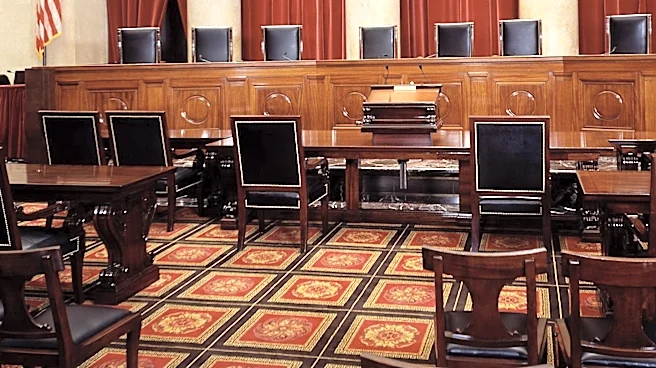
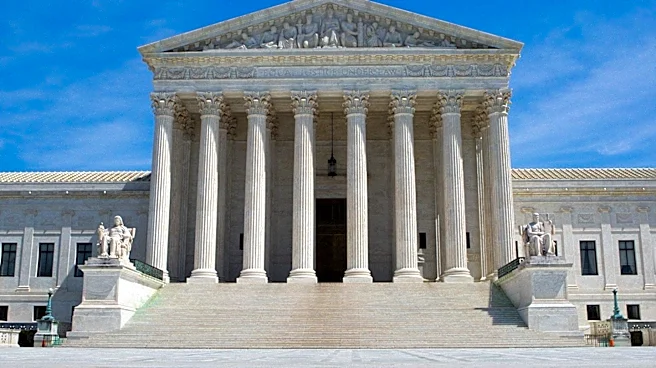
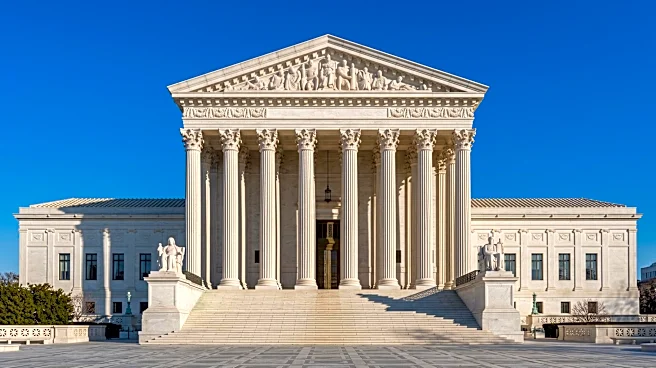
The Supreme Court is scheduled to hear oral arguments in the case of Salazar v. Paramount Global, which questions the applicability of the Video Privacy Protection Act (VPPA) in the modern internet era. The lawsuit was initiated by Michael Salazar, who
alleges that Paramount, through its website 247Sports.com, disclosed his video-viewing history to Facebook without his consent. Salazar, a subscriber to 247Sports.com's email newsletter, watched videos on the site while logged into his Facebook account. Paramount, using a 'Pixel' code, then shared information about his watched videos with Facebook. Salazar is seeking $2,500 in damages, the maximum allowed under the VPPA, for himself and other potential class members, along with punitive damages and attorney's fees. A federal district court and a divided U.S. Court of Appeals for the 6th Circuit previously ruled against Salazar, interpreting the term 'consumer' in the VPPA to be limited to subscribers of audio-visual content, which they determined Salazar's newsletter subscription was not. Salazar argues that the VPPA's definition of 'consumer' broadly covers anyone who subscribes to 'goods or services from a video tape service provider,' without limiting the type of goods or services.
Why It's Important?
This Supreme Court case holds significant implications for digital privacy rights and the interpretation of existing laws in the context of evolving technology. The VPPA, enacted in 1988 in response to the public disclosure of Judge Robert Bork's video rental records, was designed to protect the privacy of individuals' video-viewing habits. Paramount argues that Salazar's interpretation would transform a statute intended for video rentals into an overly broad and unworkable internet privacy regime, potentially exposing virtually any company with a website that posts videos to significant class-action liability for routine business practices. Conversely, Salazar's argument emphasizes that Congress knew how to limit definitions to audio-visual materials when it intended to, and its failure to do so for 'goods and services' in the consumer definition means the law should apply more broadly. The Court's decision will clarify the scope of the VPPA in the digital age, impacting how online platforms handle user data and potentially setting a precedent for future digital privacy legislation and enforcement.
What's Next?
The Supreme Court will hear oral arguments in Salazar v. Paramount Global. Following the arguments, the justices will deliberate and issue a ruling, which could take several months. The outcome will determine whether the VPPA's protections extend to a wider range of online activities and data sharing beyond traditional video rentals. A ruling in favor of Salazar could lead to an increase in class-action lawsuits against companies that share user video-viewing data without explicit consent, potentially forcing online platforms to re-evaluate their data collection and sharing practices. Conversely, a ruling in favor of Paramount could limit the VPPA's applicability in the internet age, potentially leaving a gap in digital privacy protections that might prompt calls for new legislative action to address contemporary online data practices. The decision will also provide crucial guidance on how older privacy laws are interpreted and applied to new technologies.
Beyond the Headlines
The Salazar v. Paramount Global case highlights a fundamental challenge in legal interpretation: how to apply statutes drafted in a pre-digital era to the complexities of the internet. The VPPA's original intent was to prevent the disclosure of sensitive personal information related to video rentals, a concern that has amplified with the pervasive tracking and sharing of online user data. The case forces a re-examination of what constitutes 'personally identifiable information' and 'goods or services' in a world where almost every online interaction generates data. The Court's decision could influence the broader debate on digital privacy, potentially shaping how future legislation addresses data ownership, consent, and the responsibilities of online service providers. It also underscores the tension between protecting individual privacy and the business models of many internet companies that rely on data collection for targeted advertising and content personalization. The outcome could either reinforce the need for explicit user consent in data sharing or signal a more limited scope for existing privacy protections in the face of technological advancement.