








What's Happening?
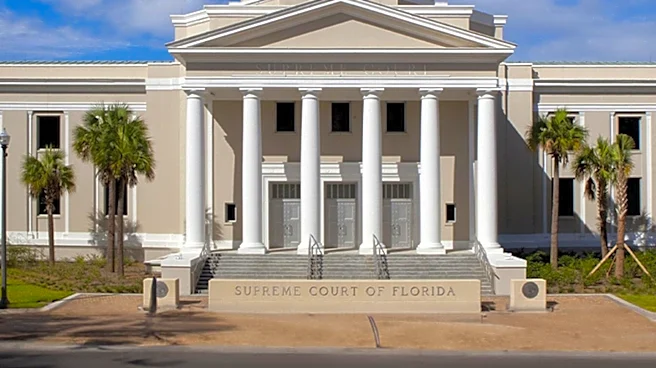
The U.S. Supreme Court has allowed the federal government to proceed with ending Temporary Protected Status (TPS) for approximately 350,000 Haitians, potentially leading to their deportation. TPS was initially granted to Haitians following the devastating
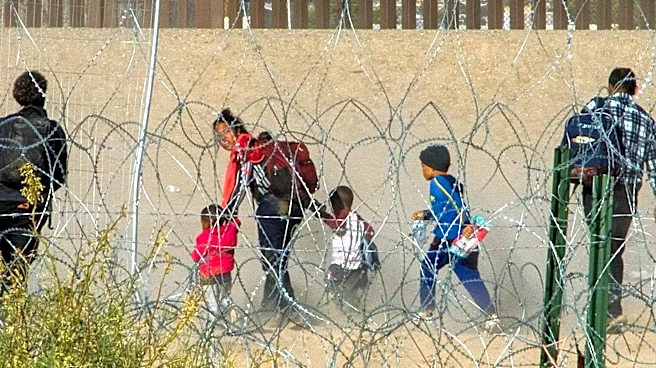
2010 earthquake and has been extended multiple times due to ongoing instability in Haiti. The Trump administration had previously attempted to terminate TPS, but it was blocked by courts. The Biden administration extended TPS citing humanitarian concerns. However, the recent Supreme Court decision supports the Department of Homeland Security's move to cancel TPS, despite a short-term extension of work authorizations granted by the Trump administration. Many Haitians in Indiana, where a significant community resides, are now facing uncertainty about their future in the U.S.
Why It's Important?
The potential end of TPS for Haitians could have significant social and economic impacts, particularly in communities with large Haitian populations like Indiana. Many Haitians have integrated into local economies, working in industries such as food services and manufacturing. The loss of legal status could lead to workforce shortages and economic disruptions. Additionally, the decision raises humanitarian concerns, as many Haitians would be returning to a country plagued by violence and instability. The ruling also highlights the broader challenges within the U.S. immigration system, where pathways to legal status are limited and often lengthy.
What's Next?
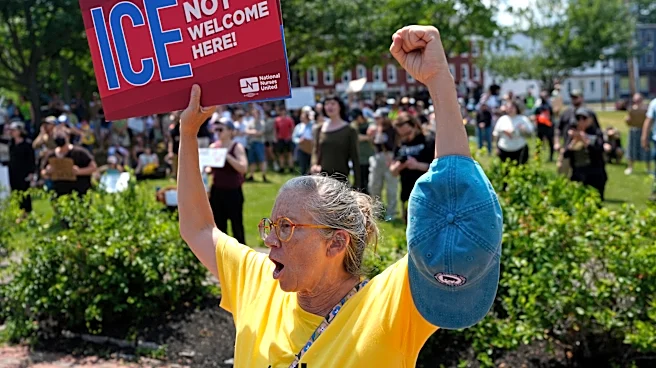
The decision has sparked calls for legislative action to protect Haitians from deportation. Advocacy groups and some lawmakers are urging the U.S. Senate to pass measures that would extend TPS protections. However, with a Republican-majority Senate, the likelihood of such legislation passing remains uncertain. In the meantime, affected individuals and communities are bracing for potential deportations and the associated social and economic fallout. The situation underscores the need for comprehensive immigration reform to address the complexities and humanitarian aspects of U.S. immigration policy.