





What's Happening?
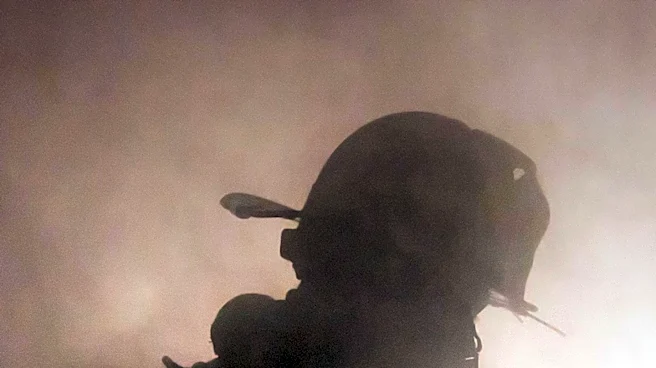
Sydney Watson, a 27-year-old firefighter from Warrior, Alabama, was honored alongside her colleagues Emily Barker and Nick Hutcherson, after they tragically lost their lives battling wildfires on the Colorado-Utah border. The memorial service, held in Grand
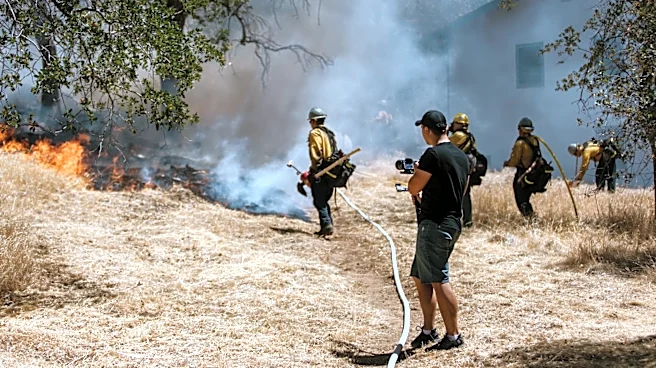
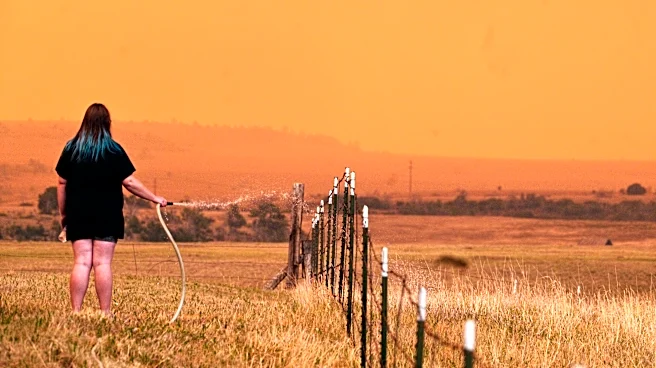
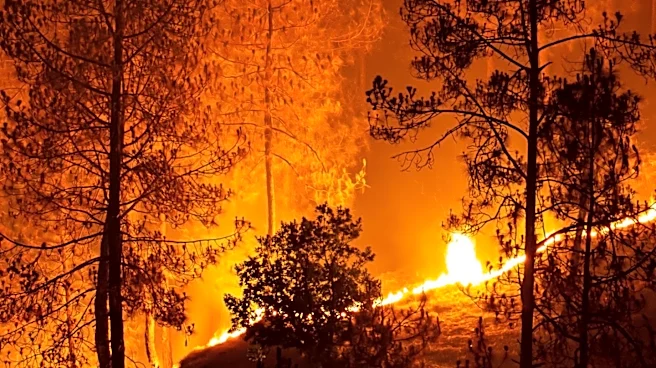
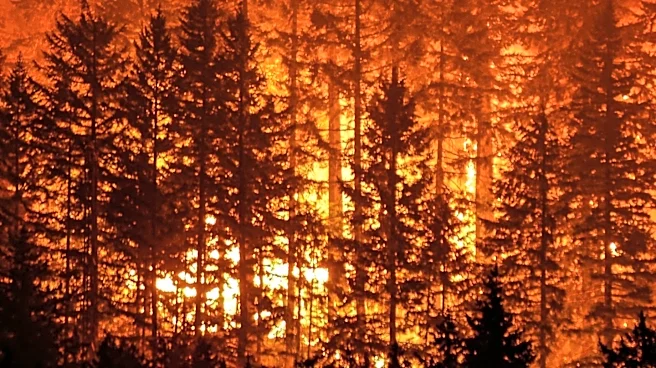
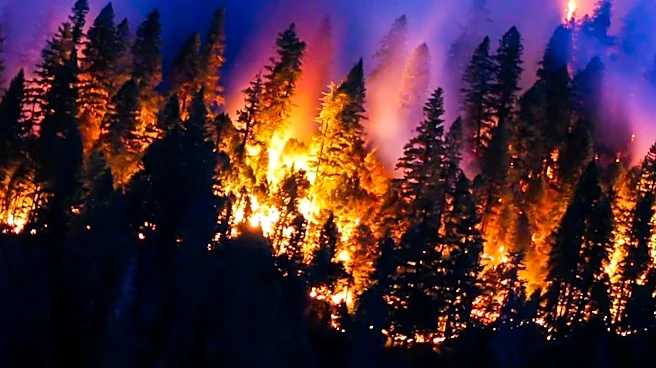
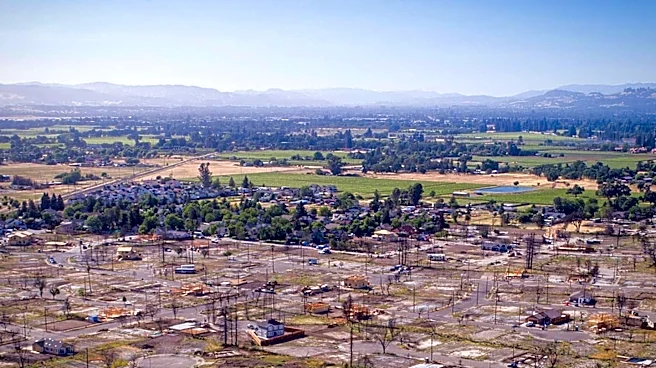
Junction, Colorado, highlighted their bravery and dedication to public service. Watson, a graduate of the University of Tennessee Southern and a former softball pitcher, was remembered for her commitment to increasing female representation in firefighting. The wildfires, exacerbated by dry weather and erratic winds, have led to widespread evacuations and destruction across several Western states, including Colorado, Utah, and New Mexico.
Why It's Important?
The deaths of Watson and her colleagues underscore the perilous conditions faced by wildland firefighters, who often work in remote and dangerous environments. Their loss highlights the ongoing challenges posed by increasingly severe wildfire seasons, which are fueled by climate change and prolonged dry conditions. The tragedy also brings attention to the need for more support and resources for firefighting efforts, as well as the importance of diversity and inclusion within the field. Watson's aspiration to inspire more women to join firefighting reflects broader societal efforts to break gender barriers in traditionally male-dominated professions.
What's Next?
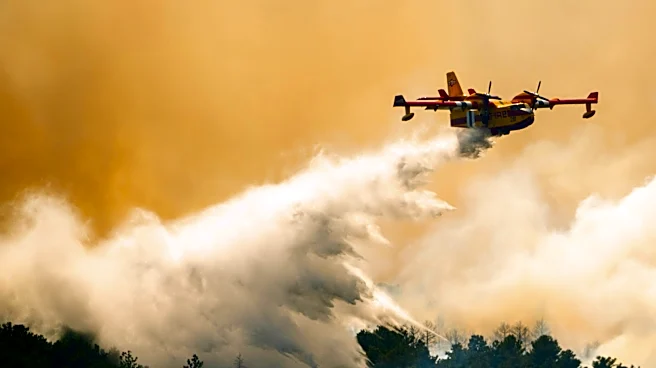
As wildfires continue to rage across the Western United States, firefighting teams remain on high alert, with additional resources being deployed to contain the blazes. The National Guard has been mobilized to assist with evacuations and road closures in affected areas. In the aftermath of the tragedy, there may be increased calls for policy changes to better support firefighters and improve safety measures. The memorial service serves as a reminder of the sacrifices made by those on the front lines and may inspire renewed efforts to address the root causes of increasingly severe wildfire seasons.
Beyond the Headlines
The loss of these firefighters also raises questions about the long-term impacts of climate change on wildfire frequency and intensity. As communities grapple with the immediate aftermath, there is a growing recognition of the need for sustainable land management practices and increased investment in firefighting infrastructure. The tragedy may also prompt discussions about mental health support for firefighters, who face significant physical and emotional challenges in their line of work. Additionally, Watson's story highlights the importance of mentorship and representation in encouraging more women to pursue careers in firefighting.