







What's Happening?
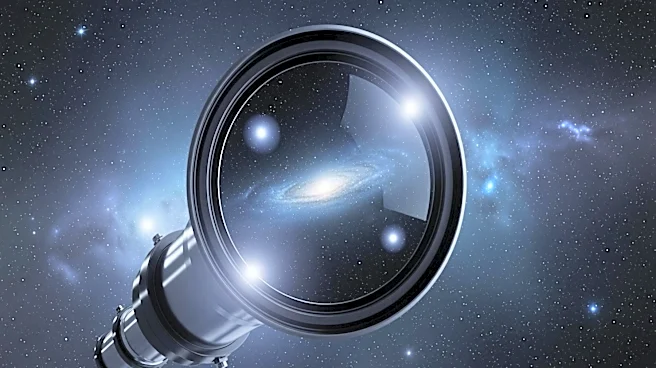
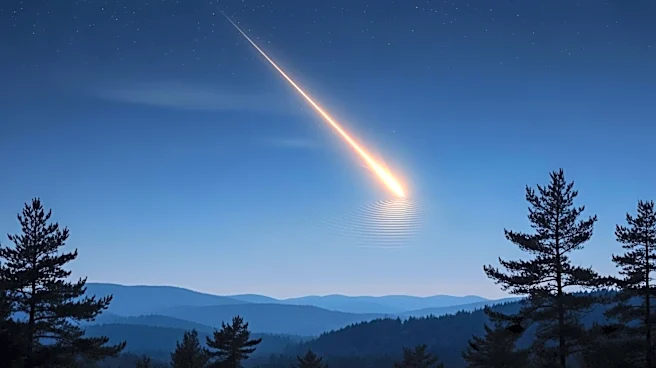
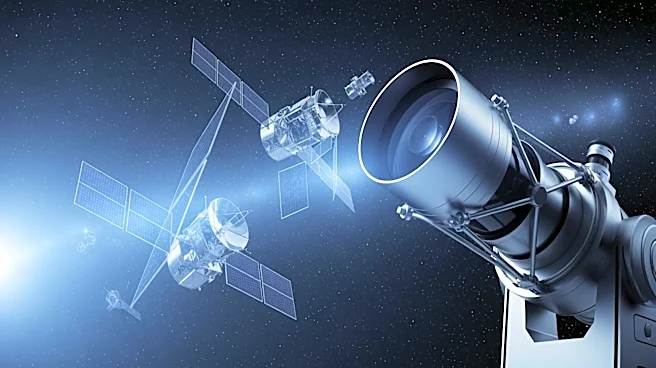
NASA's space telescope, operating at an altitude of 700 km, is facing significant interference from commercial satellites. Nearly 73.3% of its images are affected by satellite trails, which form distinctive patterns due to the satellites' orbital paths.
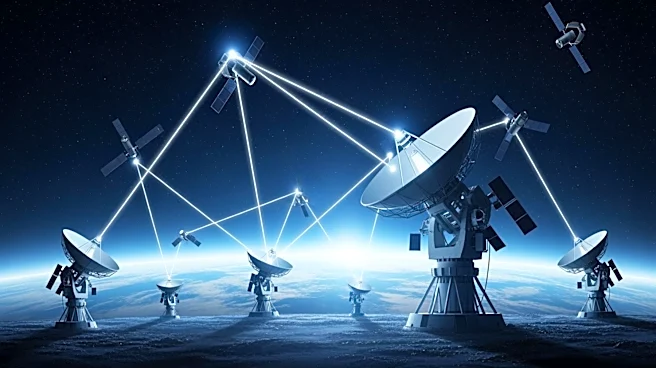
This interference is expected to worsen as companies plan to increase the number of satellites in low Earth orbit. The SPHEREx telescope, with its wide field of view and long exposure times, is particularly vulnerable to this type of light pollution.
Why It's Important?
The increasing number of commercial satellites poses a threat to astronomical research by obstructing the view of space telescopes. This could hinder scientific discoveries and the study of celestial phenomena. The issue highlights the need for international regulations to manage satellite deployments and protect space-based scientific instruments. The situation also raises concerns about the sustainability of space activities and the preservation of the night sky for future generations.
What's Next?
The scientific community is advocating for measures to mitigate the impact of satellite interference, such as developing new technologies or regulatory frameworks. Companies are exploring solutions like dark coatings and sunshades to reduce satellite brightness. However, with plans to launch up to 2 million satellites, comprehensive international cooperation will be crucial to address the challenges posed by satellite proliferation.