







What's Happening?
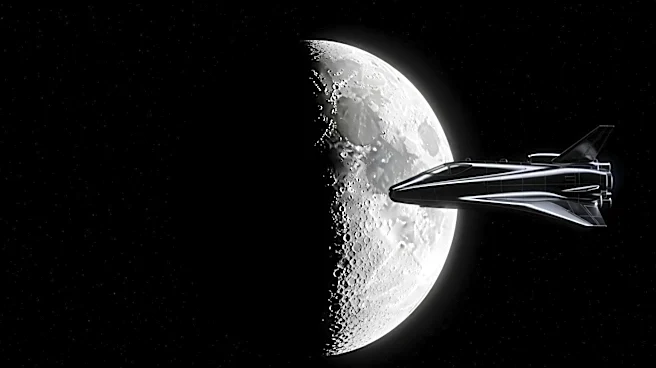
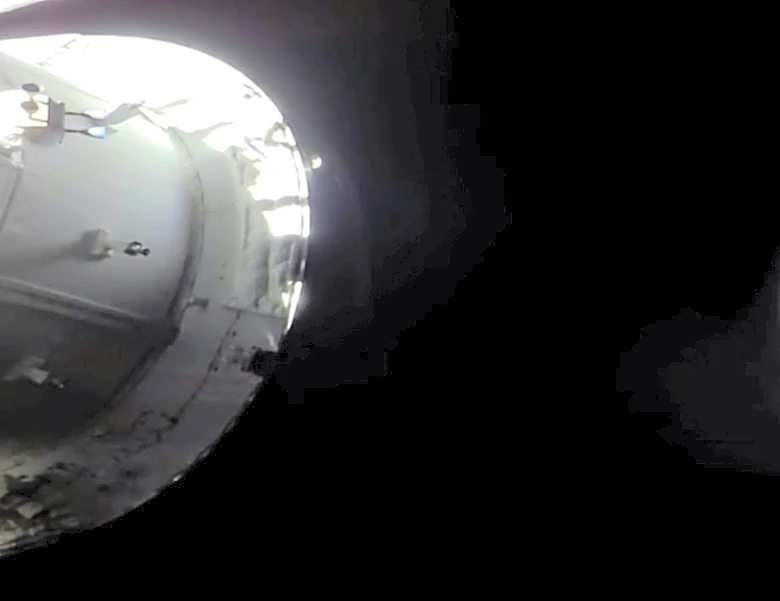
The Artemis II mission is currently conducting a lunar flyby, with the Orion spacecraft and its crew of four astronauts sending live video and commentary from the far side of the Moon. The spacecraft has reached its apogee, the furthest point in its orbit,
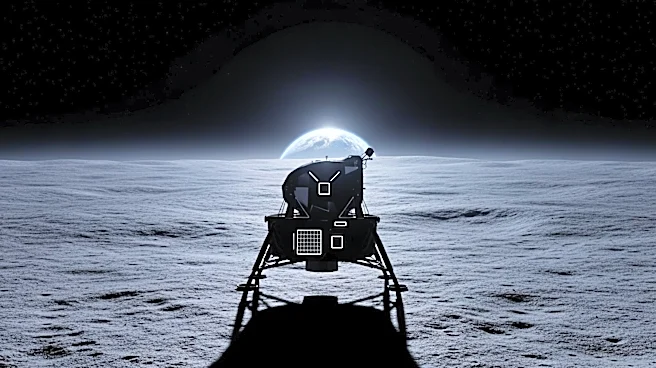
and is now heading back to Earth. During the flyby, the spacecraft entered a planned communications blackout as it passed behind the Moon. This mission marks a significant milestone in space exploration, as it is the first time in over 54 years that humans have captured images of Earth and the Moon from this vantage point. The astronauts are focusing on imaging specific lunar features, contributing to scientific understanding of the Moon's geography.
Why It's Important?
The Artemis II mission represents a pivotal moment in the renewed efforts to explore the Moon and beyond. It is part of NASA's broader Artemis program, which aims to establish a sustainable human presence on the Moon and prepare for future missions to Mars. The live video and images captured during the flyby provide valuable data for scientists and inspire public interest in space exploration. This mission also demonstrates advancements in technology and international collaboration, as it involves contributions from various countries and private entities. The success of Artemis II could pave the way for more ambitious missions and foster innovation in aerospace technology.
What's Next?
As the Artemis II mission progresses, NASA will continue to analyze the data collected during the lunar flyby. The insights gained will inform future missions, including the planned Artemis III mission, which aims to land astronauts on the Moon. The program's long-term goals include establishing a lunar base and developing technologies for deep space exploration. The success of Artemis II may also lead to increased funding and support for NASA's initiatives, encouraging further collaboration with international partners and private companies.