






What's Happening?
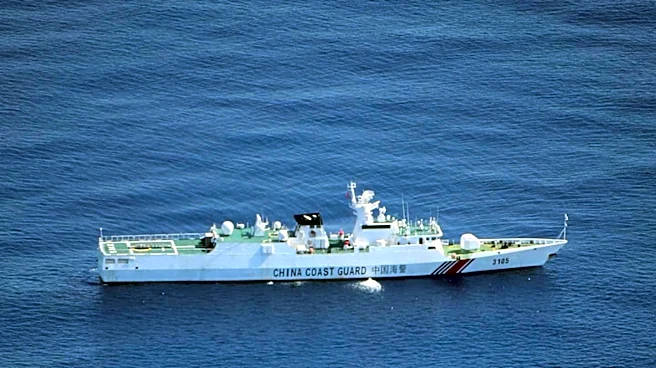
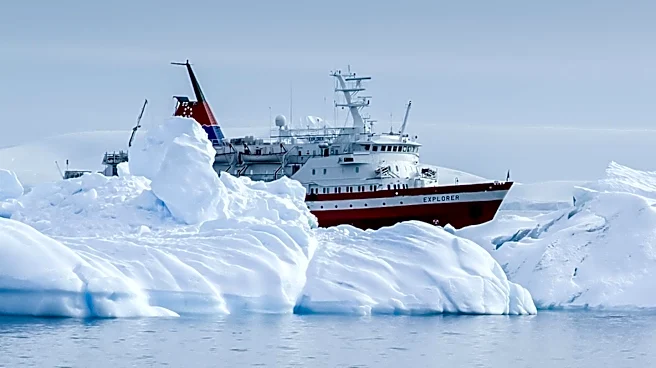
Canada and the United States have been closely monitoring two Chinese icebreaking research ships, Xue Long and Xue Long 2, operating in Arctic waters off Alaska. This surveillance is part of a broader effort to track the activities of the People's Republic
of China in the Arctic region, as concerns grow over the potential strategic implications of their presence. The Chinese vessels, which have been known to deploy advanced sonar and telemetry buoys, are suspected of gathering undersea data that could be used for military purposes, such as tracking submarine activity. The Canadian Joint Operations Command, along with the U.S. Coast Guard, has been actively monitoring these ships, which are currently operating outside of Canada's exclusive economic zone. The Canadian military has increased its presence in the region, deploying surveillance aircraft and naval vessels as part of Operation Latitude, a mission aimed at enhancing Arctic security.
Why It's Important?
The presence of Chinese research ships in the Arctic is significant due to the strategic importance of the region, which is rich in natural resources and holds key shipping routes. China's activities in the Arctic are viewed with suspicion by Western nations, as they could potentially undermine regional security and sovereignty. The deployment of Chinese icebreakers, which are equipped with technology capable of mapping undersea topography and tracking submarines, raises concerns about the potential for military applications. This situation highlights the geopolitical tensions in the Arctic, where countries like Canada and the U.S. are striving to protect their interests against the backdrop of increasing Chinese and Russian activities. The monitoring efforts by Canada and the U.S. underscore the importance of maintaining a strong presence in the Arctic to safeguard national security and assert territorial claims.
What's Next?
Canada and the U.S. are likely to continue their surveillance and monitoring efforts in the Arctic to counter any potential threats posed by Chinese activities. The Canadian government has already begun investing in new military assets, including Arctic-capable submarines and an undersea network of sensors, to enhance its capabilities in the region. As China continues to assert its presence in the Arctic, Western nations may need to strengthen their alliances and coordinate their strategies to address the challenges posed by China's growing influence. The situation may also prompt discussions on international regulations and agreements to manage Arctic activities and ensure regional stability.