



What's Happening?
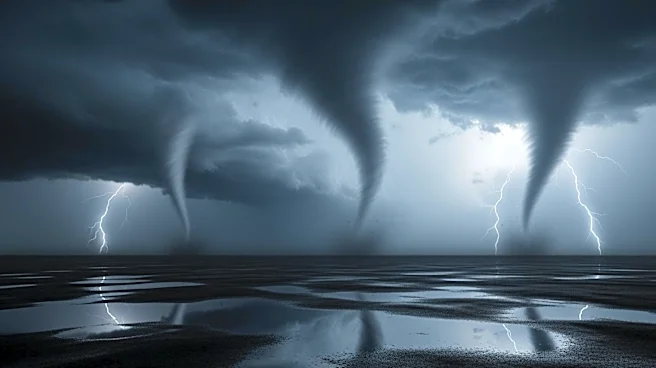
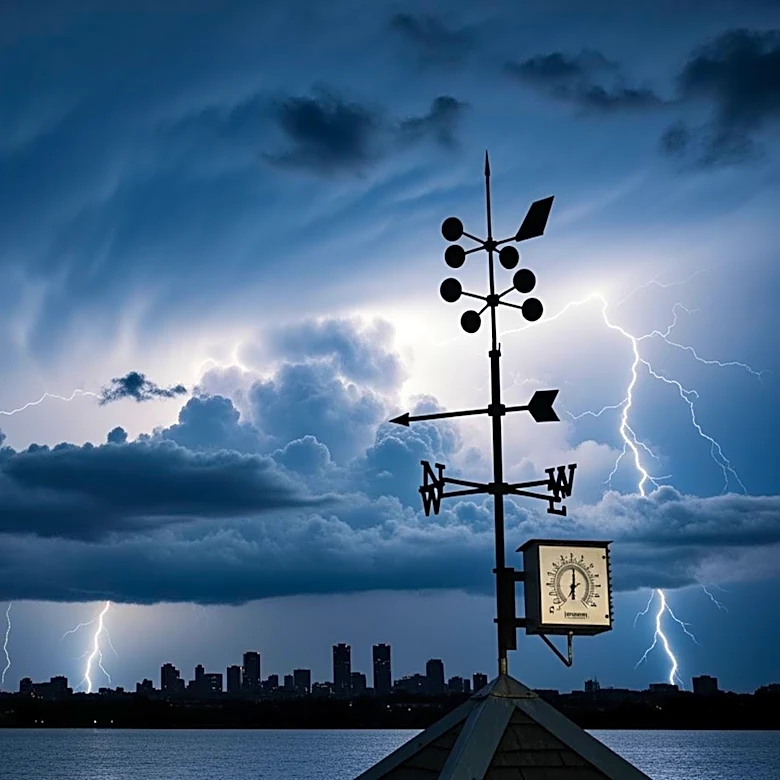
A severe storm outbreak is expected to impact the central United States, particularly affecting areas already experiencing significant weather challenges. The National Weather Service has reported over three dozen tornadoes and more than 300 instances
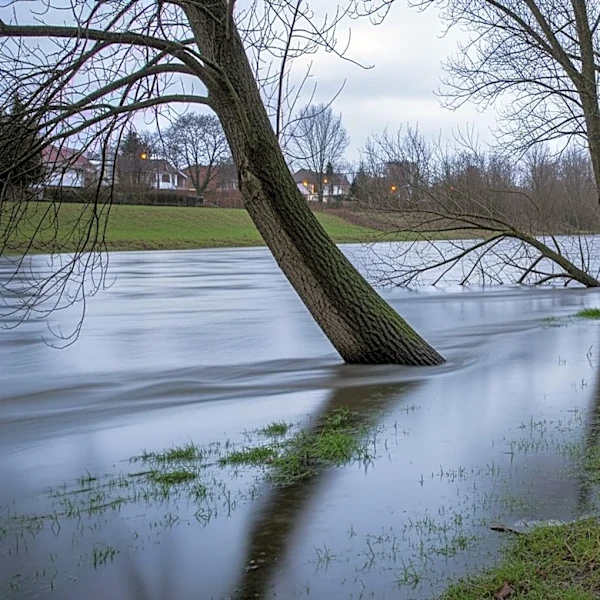
of large hail, some as large as softballs, from Texas to the Great Lakes earlier this week. The upcoming storm system is anticipated to bring destructive winds and large hail from Oklahoma City to Green Bay, with a heightened risk of tornadoes in Wisconsin, southeastern Minnesota, eastern Iowa, and northern Illinois. The storm is fueled by a surge of jet stream energy interacting with Gulf moisture, creating conditions ripe for severe weather. The central US, already dealing with historic flooding, will face additional challenges as rivers in Michigan and Wisconsin are at or near record flood levels.
Why It's Important?
The severe weather poses significant risks to life and property across the central US. The potential for tornadoes, large hail, and damaging winds could lead to widespread power outages, property damage, and disruptions to daily life. The flooding in the Great Lakes region, exacerbated by recent heavy rains and snowmelt, threatens infrastructure and necessitates emergency responses, including evacuations. The economic impact could be substantial, affecting agriculture, transportation, and local businesses. Emergency services are on high alert, and residents in affected areas are advised to prepare for possible evacuations and to stay informed about weather updates.
What's Next?
The storm system is expected to continue affecting the region into the weekend, with the potential for one final burst of severe weather in the upper Ohio Valley on Saturday. Cooler temperatures are forecasted to bring relief starting Sunday. Emergency responders and local authorities are closely monitoring the situation, particularly in areas with high flood risks. Residents are urged to remain vigilant and follow guidance from local officials. The ongoing weather challenges highlight the need for robust emergency preparedness and response strategies to mitigate the impact of such severe weather events.