






What's Happening?
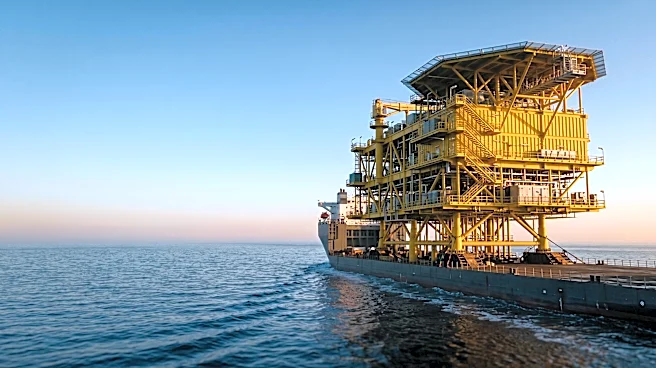
The topsides and jackets for two offshore substations, OSS Zingst and OSS Darß, have departed the Netherlands en route to the Baltic Sea. These substations are destined for installation as part of the OST-6-1 offshore grid connection project, which will
serve Germany's 927 MW Gennaker offshore wind farm. The HSI joint venture, a collaboration between Smulders HSM and Iv, is responsible for delivering these substations under an engineering, procurement, construction, installation, and commissioning (EPCIC) contract. Each substation boasts a capacity of approximately 450 MW and will play a crucial role in connecting Skyborn Renewables' Gennaker offshore wind farm to the onshore grid operated by transmission system operator 50Hertz. The OSS Zingst components sailed from Schiedam, while the OSS Darß structures departed from Vlissingen. This departure signifies the completion of extensive engineering, procurement, fabrication, assembly, and systems integration activities conducted at the two Dutch yards.
Why It's Important?
The departure of these offshore substations marks a critical milestone for Germany's renewable energy ambitions and the broader European energy transition. The Gennaker offshore wind farm, with its substantial 927 MW capacity, will significantly contribute to Germany's goal of increasing its share of renewable energy and reducing carbon emissions. Offshore substations are vital components of wind farms, acting as the central hub to collect electricity from individual turbines, transform it to a higher voltage, and transmit it efficiently to the onshore grid. Their successful installation is essential for the wind farm to become operational and deliver clean energy. This project also highlights the advanced capabilities of European engineering and construction firms in delivering complex offshore infrastructure. The collaboration between Smulders HSM and Iv in the HSI joint venture demonstrates the specialized expertise required for such large-scale renewable energy projects, reinforcing Europe's leadership in offshore wind technology and development.
What's Next?
With the departure of the OSS Zingst and OSS Darß substations, the project is now transitioning into its offshore installation and commissioning phase in the Baltic Sea. Specialized heavy-lift vessels will be used to transport and install the jackets onto the seabed, followed by the precise placement of the topsides. Once installed, extensive commissioning activities will commence, involving the testing and integration of all electrical and control systems to ensure seamless operation. This phase will be critical for connecting the substations to the wind turbines and the onshore transmission network. Following successful commissioning, the Gennaker offshore wind farm will begin generating electricity, contributing to Germany's power supply. The successful completion of this project will also provide valuable experience and data for future offshore wind developments, potentially influencing design and construction methodologies for upcoming projects in the region and globally.
Beyond the Headlines
The Gennaker offshore wind farm project, facilitated by these substations, represents more than just an energy infrastructure development; it embodies a significant step in the global shift towards sustainable energy. The scale of this project underscores the massive investment and technological innovation required to transition away from fossil fuels. Ethically, it highlights the commitment to combating climate change and ensuring energy security through clean sources. Legally, such projects navigate complex international maritime laws, environmental regulations, and national energy policies. Culturally, the increasing visibility of offshore wind farms symbolizes a societal embrace of renewable energy technologies and a changing landscape of energy production. This development also has broader economic implications, fostering growth in the green energy sector, creating specialized jobs, and driving technological advancements in offshore engineering. The long-term impact will be a more resilient and environmentally friendly energy grid, setting a precedent for future large-scale renewable energy initiatives worldwide.