




What's Happening?
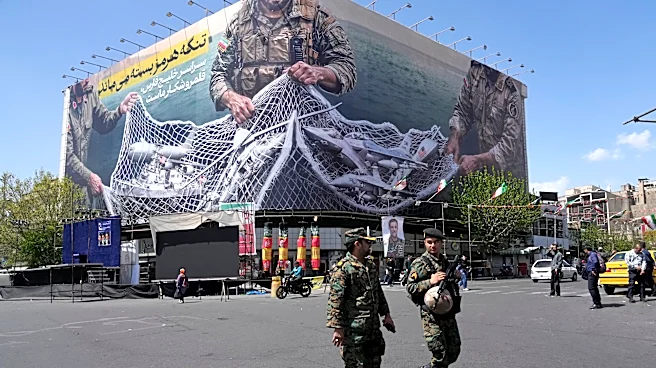
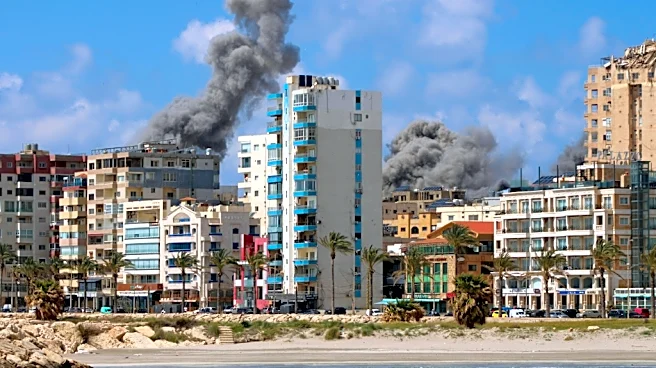
U.S. intelligence reports suggest that China is preparing to deliver new air defense systems to Iran, specifically shoulder-fired anti-aircraft missiles known as MANPADS. These weapons could pose a threat to low-flying U.S. military aircraft if the current
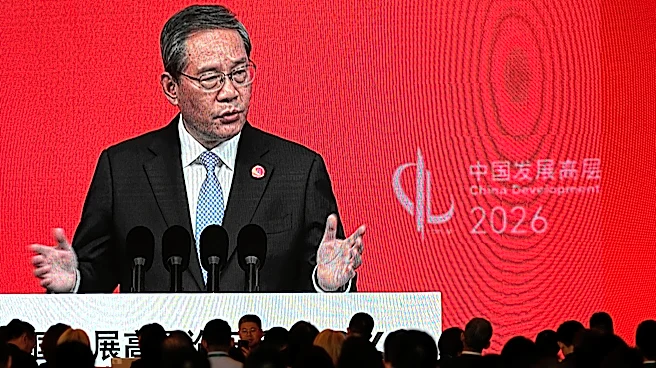
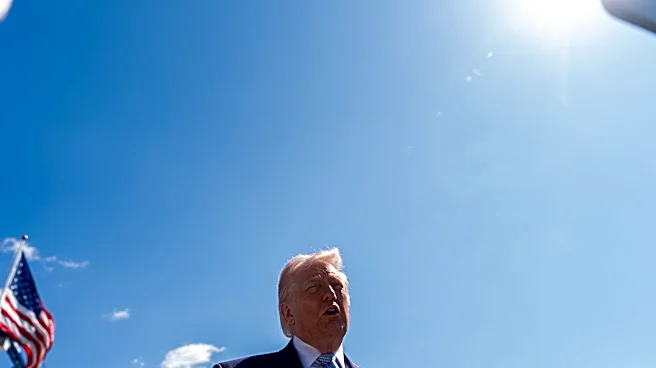
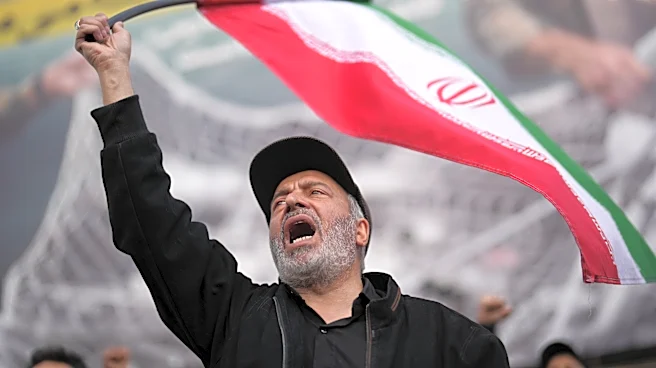
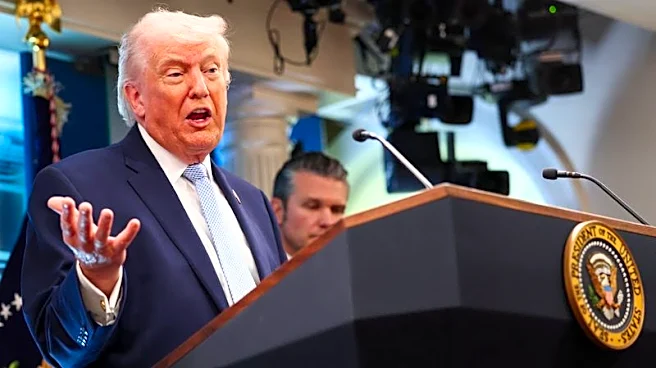
ceasefire between Iran and the United States collapses. The intelligence indicates that China might be routing these shipments through third countries to obscure their origin. The Chinese Embassy in Washington has denied these claims, asserting that China has never provided weapons to any party involved in the conflict and urging the U.S. to avoid baseless accusations. This development comes as President Trump is expected to visit China for talks with President Xi Jinping, following a recently brokered ceasefire between the U.S. and Iran.
Why It's Important?
The potential shipment of Chinese air defense systems to Iran could significantly alter the military dynamics in the region, especially if the ceasefire fails. Such a move would not only escalate tensions between the U.S. and China but also complicate the geopolitical landscape involving Iran, which has been isolated from the West. The U.S. military could face increased risks in the region, and the situation could strain U.S.-China relations further. Additionally, this development highlights China's strategic balancing act of supporting Iran while maintaining a stance of neutrality. The implications for international arms control and regional security are profound, as this could set a precedent for future military support to sanctioned nations.
What's Next?
The U.S. and China are expected to engage in high-level talks, with Vice President JD Vance leading the U.S. delegation in negotiations with Iran. These discussions will likely address the ceasefire terms and the broader implications of China's potential military support to Iran. The international community will be closely monitoring these developments, as any escalation could impact global oil markets and regional stability. The outcome of President Trump's upcoming visit to China could also influence future diplomatic and military strategies in the region.
Beyond the Headlines
This situation underscores the complex web of alliances and rivalries in international politics. China's actions reflect its broader strategy of expanding influence in the Middle East while avoiding direct confrontation with the U.S. and its allies. The potential arms transfer also raises questions about the effectiveness of international sanctions and the role of major powers in circumventing them. Furthermore, it highlights the ongoing challenge of maintaining global security and stability in an era of shifting power dynamics.