


What's Happening?
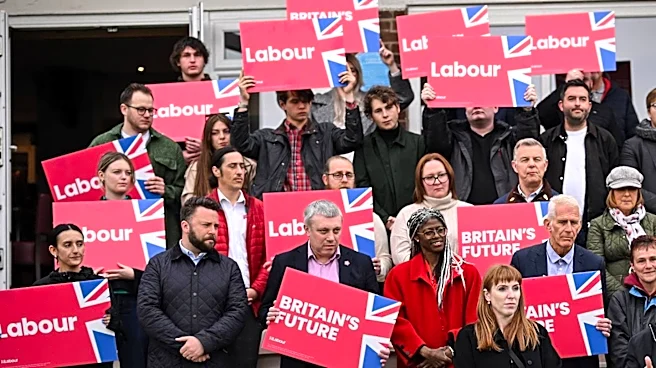
In Australia, the Labor Party's federal caucus now has more women than men for the first time, yet discussions about potential successors to current leader Anthony Albanese rarely include female candidates. Despite the historic gender parity, prominent
female politicians like Tanya Plibersek, who has extensive experience and public support, are often overlooked in leadership conversations. The party's leadership pipeline remains dominated by male figures, with names like Mark Butler and Jim Chalmers frequently mentioned as potential successors. This situation highlights ongoing challenges within the party regarding gender representation in leadership roles.
Why It's Important?
The underrepresentation of women in leadership discussions within the Labor Party underscores broader issues of gender equity in politics. Despite achieving gender parity in its caucus, the party struggles to translate this into leadership opportunities for women. This reflects a persistent gender bias in political leadership roles, which can impact policy decisions and the party's public image. The situation also raises questions about the effectiveness of gender quotas and the cultural shifts needed to support women in leadership positions. Addressing these issues is crucial for the party's credibility and its commitment to gender equality.
Beyond the Headlines
The lack of female leadership contenders in the Labor Party may have deeper implications for gender dynamics in Australian politics. It suggests that structural and cultural barriers still exist, preventing women from ascending to top political roles. This could discourage women from pursuing political careers, affecting the diversity of perspectives in policymaking. Additionally, the party's failure to promote women to leadership positions may alienate female voters and activists who prioritize gender equality. Long-term, this could influence the party's electoral success and its ability to attract diverse talent.