





What's Happening?
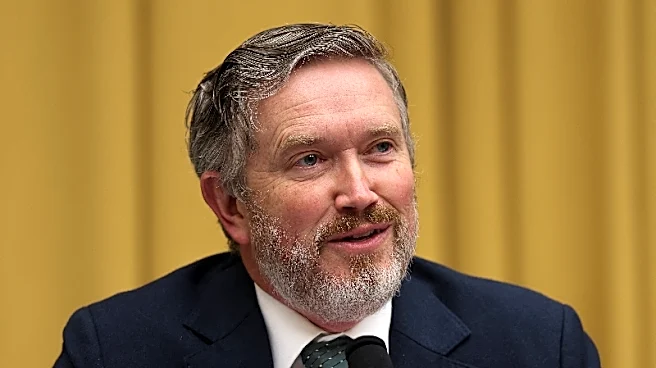
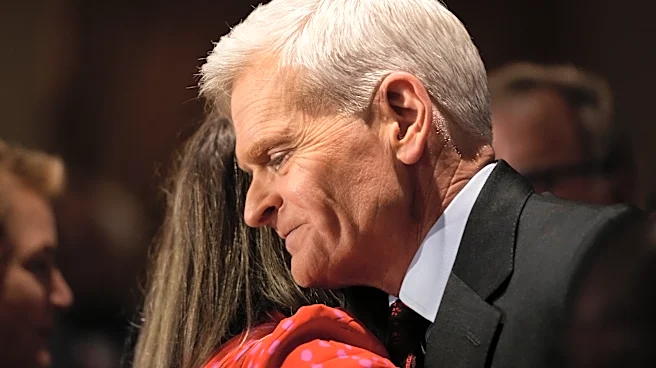
Several Republican senators, including Bill Cassidy of Louisiana, are openly criticizing President Trump, highlighting a growing divide within the GOP. Cassidy, who recently lost his primary election, had previously voted to convict Trump during the impeachment
trial following the January 6 Capitol attack. His loss is seen as a consequence of his opposition to Trump, reflecting the challenges faced by GOP members who dissent from the former president's influence. Other senators, such as Thom Tillis and Mitch McConnell, have also voiced their disagreements with Trump on various issues, including his policies and leadership style. These senators are advocating for a more bipartisan approach and have criticized the tribal nature of current American politics.
Why It's Important?
The dissent among Republican senators signifies a potential shift in the party's dynamics, as some members push back against Trump's dominance. This internal conflict could impact the GOP's strategy and unity, especially with upcoming elections. The senators' criticisms highlight a broader debate about the direction of the Republican Party and its alignment with Trump's policies. This division may influence voter perceptions and the party's ability to appeal to a wider electorate. The outcome of these internal disputes could shape the GOP's future leadership and policy priorities.
What's Next?
As the political landscape evolves, the Republican Party may face challenges in maintaining cohesion. The upcoming elections will test the influence of Trump-aligned candidates versus those advocating for change. The party's response to these internal criticisms will be crucial in determining its direction and electoral success. Observers will be watching how the GOP navigates these tensions and whether it can reconcile differing viewpoints to present a unified front.