







What's Happening?
The 31st United Nations Climate Change Conference (COP31) is scheduled to take place in Antalya, Turkey, from November 9 to 20, 2026. This conference aims to bolster global commitment to climate action, focusing on limiting global warming and advancing
climate adaptation measures. For the first time, the presidency duties are shared, with Turkey hosting and Australia leading negotiations. A significant feature of COP31 is the Ocean Pavilion, co-organized by the Woods Hole Oceanographic Institution and the Scripps Institution of Oceanography at the University of California, San Diego. This dedicated area within the Blue Zone of COP31 is designed to ensure that ocean-based solutions are prominently featured in climate negotiations. The Ocean Pavilion will host over 65 events during the two-week conference, bringing together various stakeholders committed to recognizing the ocean's crucial role in addressing the climate crisis. GEOMAR Helmholtz Centre for Ocean Research Kiel is also participating as a partner, with its scientists contributing expertise on ocean observation, coastal ecosystems, and the ocean's carbon uptake.
Why It's Important?
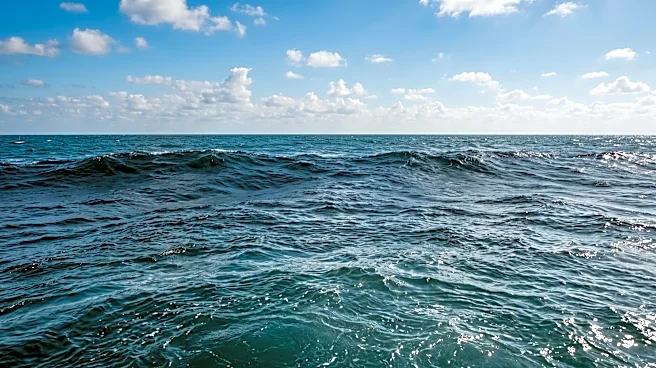
The inclusion of the Ocean Pavilion, spearheaded by prominent U.S. institutions like Woods Hole and Scripps, signifies a critical shift towards integrating marine science and ocean-based solutions into global climate policy. The ocean plays a vital role as a buffer against climate change, having absorbed approximately 30% of human-produced carbon dioxide since the Industrial Revolution. However, this capacity is diminishing, with the ocean now absorbing about 6% less carbon than it otherwise could. By bringing ocean issues to the forefront of COP31, the initiative aims to highlight the urgency of protecting marine ecosystems and leveraging their potential for climate mitigation and adaptation. This focus can influence international agreements and funding allocations, potentially benefiting U.S. research institutions, coastal communities, and industries reliant on healthy marine environments. The emphasis on 'blue carbon' ecosystems like seagrass beds, salt marshes, and mangroves could also drive investment in their preservation and restoration, offering new avenues for climate action and economic development.
What's Next?
The COP31 conference will run from November 9 to 20, 2026, during which the Ocean Pavilion will host numerous events to advance ocean-related climate discussions. The Turkish Presidency aims to secure a joint ocean declaration, the Antalya Ocean Declaration, to further climate action with the help of oceans and assist vulnerable coastal and island states. This declaration could lead to new international commitments and collaborative projects. Scientists from institutions like GEOMAR will present research on topics such as ocean observation, coastal ecosystems, and carbon uptake, influencing policy recommendations. The outcomes of these discussions and the potential Antalya Ocean Declaration will shape future climate strategies, potentially leading to increased funding for ocean research, conservation efforts, and the development of ocean-based climate technologies. The engagement of non-state actors through Turkey's Action Agenda will also be crucial in translating commitments into tangible actions.
Beyond the Headlines
The prominent role of the Ocean Pavilion at COP31 underscores a growing recognition of the interconnectedness between ocean health and global climate stability. Beyond the immediate policy outcomes, this initiative highlights the ethical imperative to protect marine biodiversity and the long-term implications of ocean degradation for human societies. The Mediterranean, for instance, is warming faster than the global ocean, serving as a stark reminder of regional vulnerabilities. The discussions at the Ocean Pavilion could foster a deeper understanding of the ocean's complex role in the climate system, potentially leading to innovative solutions that transcend traditional climate mitigation strategies. This includes exploring the potential of marine ecosystems for carbon sequestration and developing advanced ocean observation systems. The involvement of U.S. scientific institutions in leading this effort also reinforces the nation's role in global environmental leadership and scientific innovation, potentially influencing international norms and fostering greater collaboration in marine science and conservation.