







What's Happening?
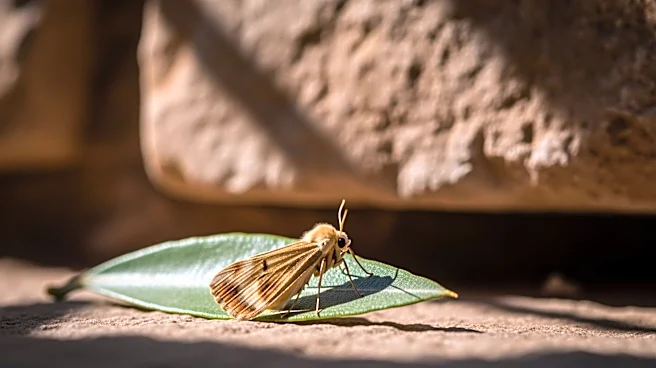
Scientists have discovered a new species of moth on the Greek island of Crete, named Pyralis papaleonei in honor of Pope Leo XIV for his environmental advocacy. The moth, characterized by its striking purple forewings with an orange-golden spot and prominent
white stripes, was found in the White Mountains of Crete. Initially misidentified as a related species, the moth was correctly classified after detailed physical and DNA analysis. The discovery was published in the journal Nota Lepidopterologica, highlighting the importance of accurate species identification for biodiversity conservation.
Why It's Important?
The naming of the new moth species after Pope Leo XIV underscores the intersection of science and environmental advocacy. It highlights the role of influential figures in promoting environmental awareness and conservation efforts. The discovery also emphasizes the ongoing global biodiversity crisis, where many species remain undocumented. Accurate identification and classification of species are crucial for effective conservation strategies, as they help in understanding ecological dynamics and protecting endangered habitats.
What's Next?
Further research is needed to understand the habits and habitat of the newly discovered moth species. Scientists may conduct additional studies to explore its ecological role and potential conservation needs. The recognition of this species could also inspire more environmental initiatives and collaborations between scientific communities and advocacy groups, aiming to address biodiversity loss and promote sustainable practices.