



What's Happening?
Animals are fundamentally characterized by their need for external energy sources, as they cannot produce their own food and consume other living organisms or their remains. They require oxygen for survival and possess nerve cells that facilitate sensory
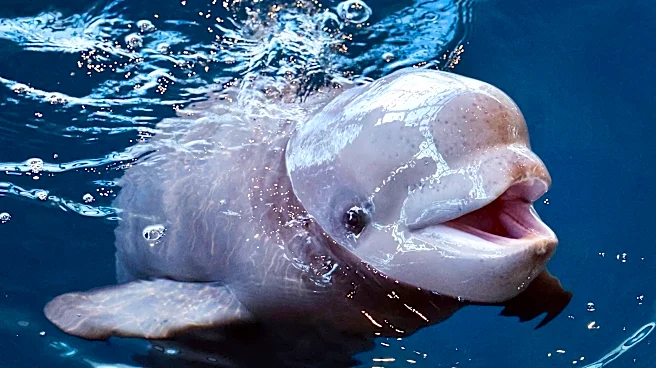
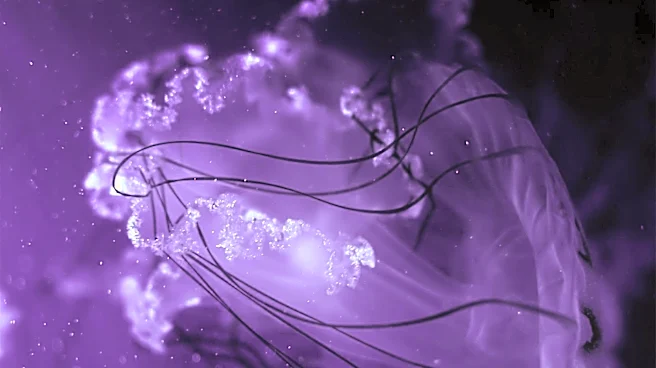
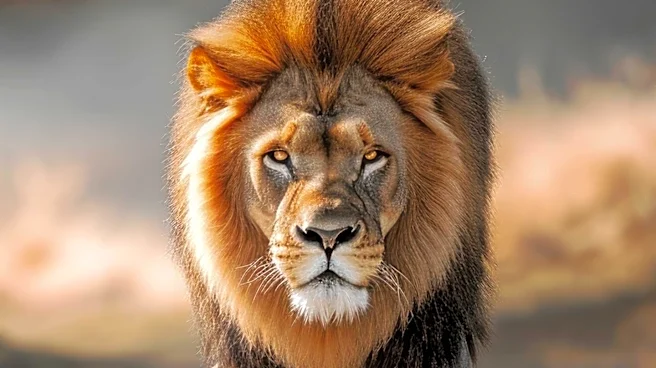
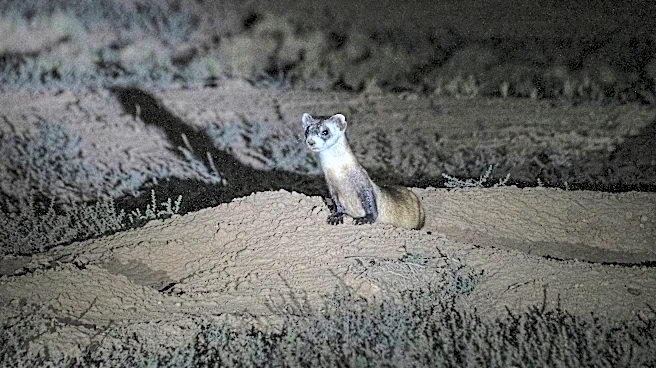
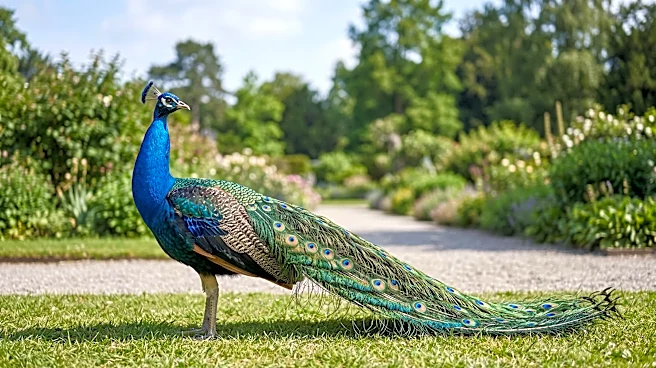
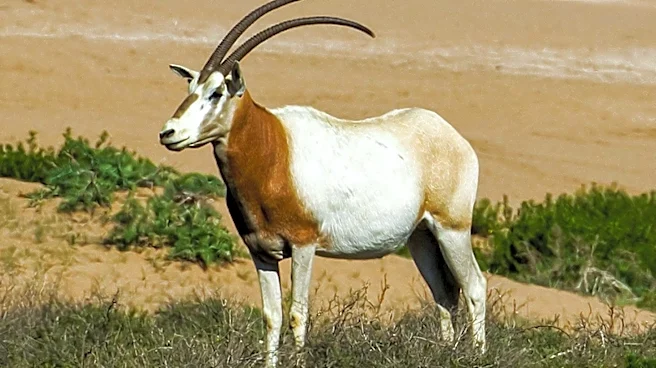
systems. A defining trait of most animals is their mobility, allowing them to move independently. The classification of animals follows a hierarchical system established by Carolus Linnaeus, which includes seven primary levels: kingdom, phylum, class, order, family, genus, and species. This system helps organize the vast diversity of animal life based on shared biological characteristics. A major division within this classification separates animals into vertebrates and invertebrates. Vertebrates are distinguished by the presence of a backbone or spinal column, encompassing groups such as fish, birds, mammals, reptiles, and amphibians. In contrast, invertebrates lack a backbone and include a wide array of creatures like jellyfish, mollusks, and worms. Mammals, a specific class of vertebrates, are further identified by their unique method of feeding their young with milk. Both vertebrate and invertebrate species are found globally, adapting to diverse environments across the world.
Why It's Important?
Understanding animal classification and their fundamental biological characteristics is crucial for various scientific and societal applications. In ecological studies, this knowledge helps in analyzing biodiversity, ecosystem health, and the intricate relationships between species. For instance, identifying whether an animal is a vertebrate or invertebrate, and its specific class, provides insights into its role in the food web, its habitat requirements, and its susceptibility to environmental changes. In conservation efforts, accurate classification is essential for identifying endangered species and developing targeted protection strategies. For example, knowing that mammals feed their young milk highlights specific reproductive needs that must be considered in captive breeding programs. Furthermore, the study of animal physiology, particularly the presence of nerve cells and mobility, contributes to advancements in fields like neuroscience and biomechanics, potentially inspiring new technologies. The global distribution of both vertebrates and invertebrates underscores the interconnectedness of ecosystems worldwide and the importance of international cooperation in addressing environmental challenges. This foundational biological knowledge supports research in medicine, agriculture, and environmental management, impacting human well-being and the sustainability of natural resources.
What's Next?
Future developments in animal biology are likely to focus on refining classification systems through advanced genetic sequencing and molecular analysis. As technology progresses, scientists will continue to uncover new species and re-evaluate existing classifications, potentially leading to adjustments in the Linnaean hierarchy. Research will also delve deeper into the evolutionary origins of key animal traits, such as the development of nerve cells and mobility, to better understand the mechanisms driving animal diversity. The impact of climate change and habitat loss on animal populations, particularly the distinction between vertebrates and invertebrates, will remain a critical area of study, informing conservation strategies. Efforts to protect endangered species will increasingly rely on detailed biological data, including reproductive behaviors like milk feeding in mammals, to ensure effective intervention. Furthermore, the study of animal adaptations to extreme environments could yield insights applicable to human challenges, such as developing new materials or understanding physiological resilience. Educational initiatives will continue to emphasize the importance of animal classification and biology to foster greater public awareness and support for wildlife conservation.
Beyond the Headlines
The classification of animals extends beyond mere categorization; it reflects a profound human endeavor to understand our place within the natural world. The Linnaean system, while scientific, also carries philosophical implications, highlighting the order and interconnectedness of life. The distinction between vertebrates and invertebrates, for example, not only defines anatomical differences but also influences our perception and interaction with various animal groups. The presence of nerve cells and mobility in animals raises ethical questions about animal consciousness and welfare, driving discussions in animal rights and responsible stewardship. The global distribution of animals underscores the concept of a shared planet and the universal responsibility to protect biodiversity. Culturally, animals play significant roles in human societies, appearing in myths, art, and literature, often symbolizing various human traits or natural forces. The ongoing discovery of new species and the re-evaluation of existing ones challenge our preconceived notions about life and continuously expand our understanding of biological complexity. This continuous exploration of animal life enriches our scientific knowledge and deepens our appreciation for the intricate web of existence.