




What's Happening?
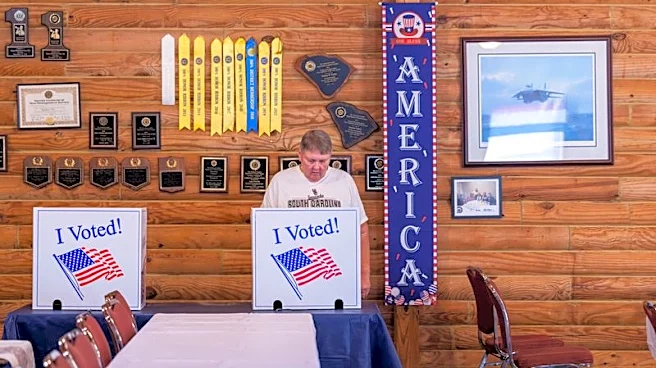
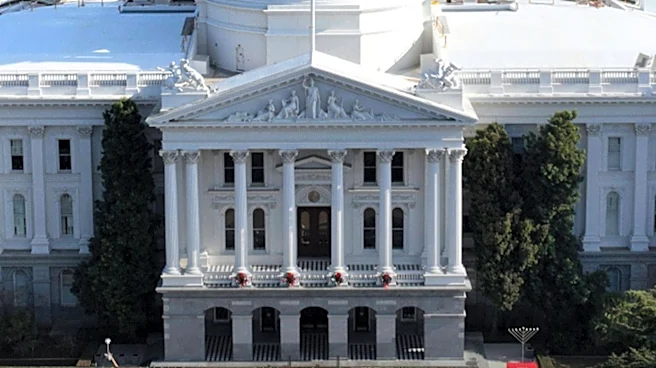
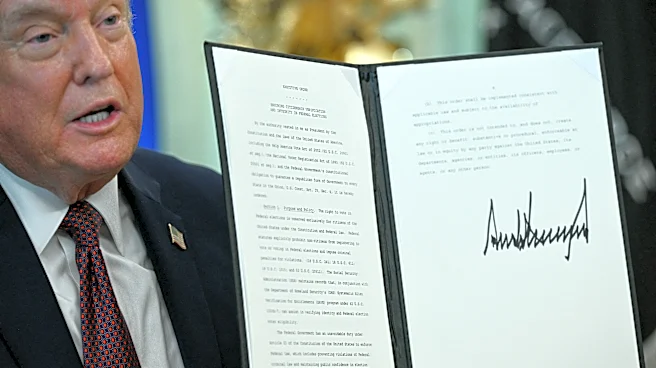
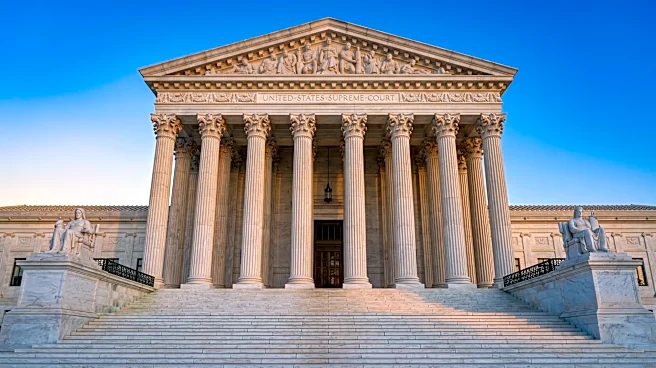
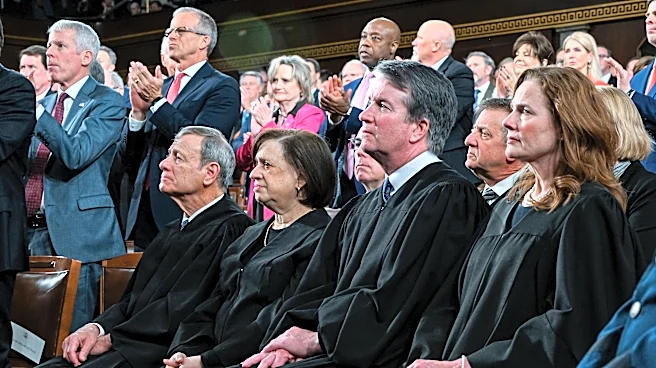
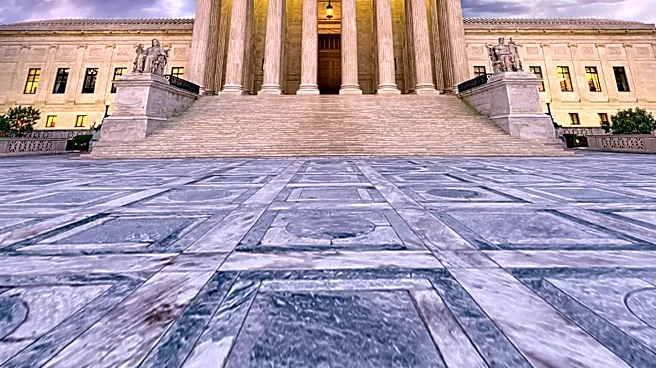
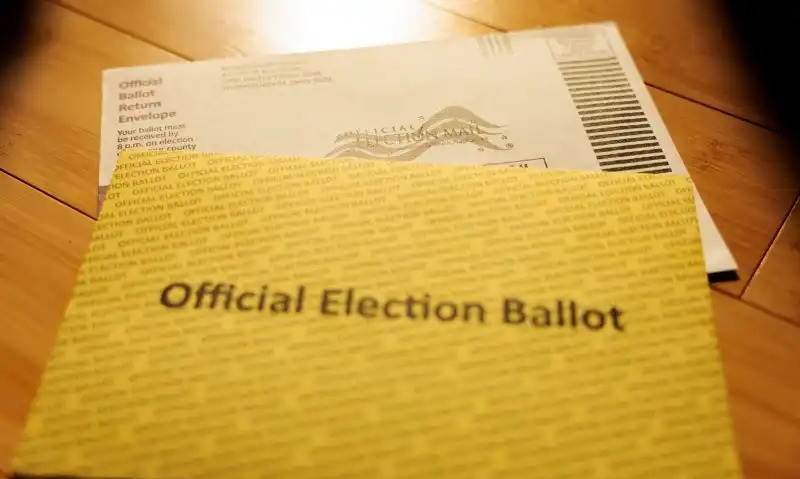
Governor Gavin Newsom has announced a victory for California after the U.S. Supreme Court blocked President Trump's efforts to challenge vote-by-mail procedures. This decision follows losses for the Trump Administration in district and appellate courts.
California Attorney General Rob Bonta emphasized the high stakes of the litigation, noting that voting is a fundamental right and mail voting is the primary method in California and several other states. The ruling ensures that voters can cast their ballots without uncertainty or fear of their voices being questioned. California Secretary of State Shirley N. Weber, Ph.D., stated that the decision allows the state to move forward with conducting elections fairly and openly. The Supreme Court's action comes amidst a whistleblower report warning of 'potentially catastrophic problems' with the Trump Administration's efforts and an admission from USPS that the technology to implement the proposed rule was unavailable.
Why It's Important?
This Supreme Court decision is crucial for safeguarding the integrity and accessibility of elections in California and potentially other states that rely heavily on vote-by-mail. Had President Trump's challenge succeeded, it could have created significant disruption and disenfranchisement for millions of voters, particularly in a state like California where mail voting is prevalent. The ruling reinforces the established methods of voting and protects against last-minute changes that could sow confusion and undermine voter confidence. It also underscores the judiciary's role in upholding electoral processes against executive challenges. For California, it means the state can proceed with its established election protocols, ensuring a smoother and more predictable voting experience for its citizens, free from the legal uncertainties that had been looming.
What's Next?
With the Supreme Court's decision, California will continue to implement its vote-by-mail system without the legal challenge posed by the Trump Administration. This clarity allows election officials to focus on the practical aspects of election administration, including ballot processing and voter outreach. Governor Newsom's administration is also advancing several legislative measures aimed at further strengthening election integrity and voter access. These include bills requiring disclosures for AI-generated content in political ads (AB 2355), criminalizing incentives for voting (SB 398), and extending ballot processing times (AB 16). These legislative efforts indicate a continued focus on refining and protecting the electoral process in California, anticipating future challenges and ensuring robust democratic participation.
Beyond the Headlines
This ruling extends beyond the immediate impact on vote-by-mail, reflecting a broader legal and political struggle over election administration and voter access. The repeated attempts to challenge established voting methods, particularly mail-in ballots, highlight ongoing partisan divisions regarding electoral processes. The emphasis on AI-generated content in political advertisements through new legislation (AB 2355, AB 2839) points to emerging threats to election integrity in the digital age, where misinformation can be rapidly disseminated. California's proactive legislative stance, including measures to combat mis- and disinformation and increase protections against interference, positions it as a leader in addressing modern electoral challenges. This case also underscores the importance of state-level legal defenses against federal actions perceived as undermining democratic norms, setting a precedent for how states might respond to future challenges to their election systems.