
What's Happening?
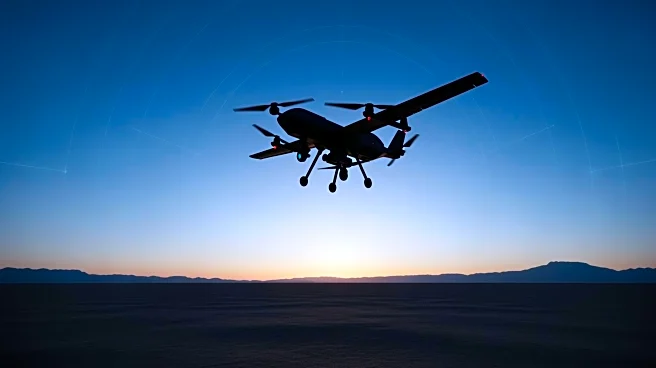
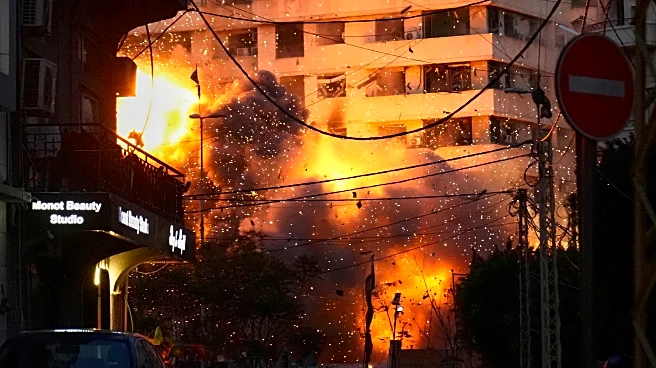
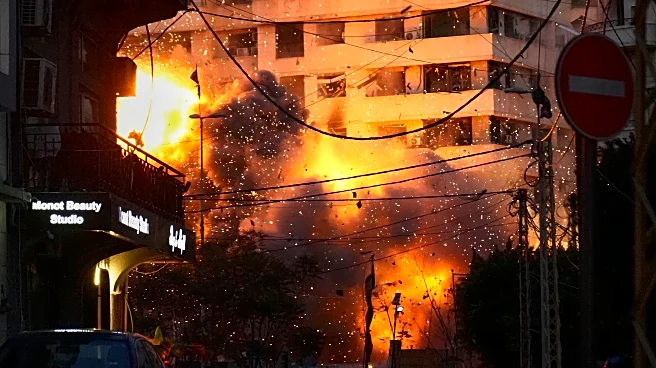
Iran has launched a series of drone and missile attacks on Gulf states, escalating tensions in the region. These attacks have targeted key infrastructure, including Qatar's Ras Laffan industrial facility and refineries in Kuwait. In response, Gulf countries
are seeking unity and discussing potential actions against Iran. Saudi Arabia's Foreign Minister, Prince Faisal bin Farhan, has indicated that the Kingdom's patience is limited and military action remains a possibility. The attacks have led to a unified condemnation from Arab and Islamic foreign ministers, who emphasize the importance of regional security and sovereignty.
Why It's Important?
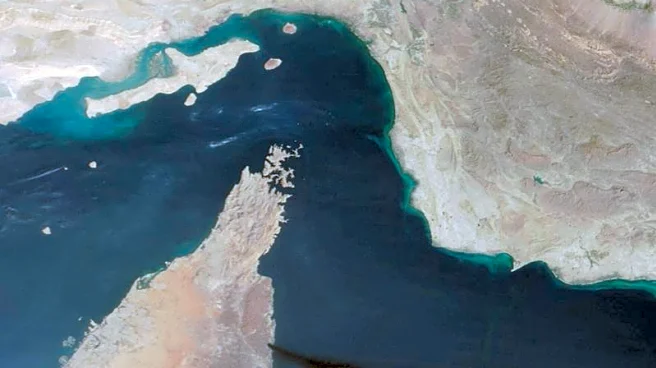
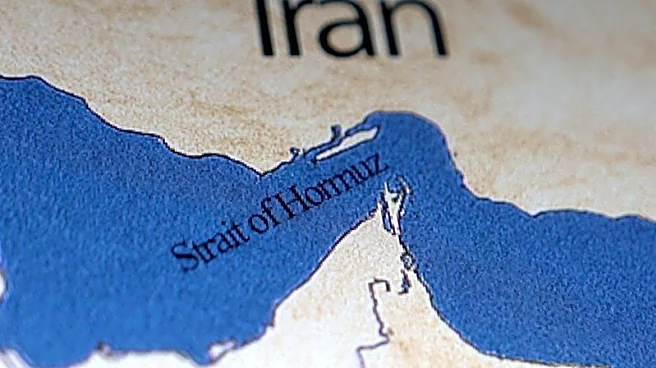
The escalation of hostilities by Iran poses significant risks to regional stability and global economic interests, particularly in the energy sector. The Gulf states, which are major oil producers, are critical to the global energy supply. Disruptions in this region could lead to increased oil prices and economic instability worldwide. The potential for military conflict also raises concerns about broader geopolitical implications, including the involvement of international powers and the impact on global security. The unified stance of the Gulf states highlights the seriousness of the threat and the potential for coordinated regional action.
What's Next?
The Gulf states are likely to continue diplomatic efforts to build international consensus and support for their position. Saudi Arabia and its allies may seek further backing from Western countries and international organizations to pressure Iran into halting its aggressive actions. Military preparations and defensive measures are expected to be strengthened across the region. The situation remains fluid, with the possibility of further escalation if diplomatic efforts fail to yield results. The international community will be closely monitoring developments, given the potential for broader conflict.
Beyond the Headlines
The ongoing conflict underscores the complex geopolitical dynamics in the Middle East, where historical rivalries and alliances play a significant role. The situation also highlights the challenges of balancing regional security with diplomatic engagement. The Gulf states' response to Iran's actions could set a precedent for future conflicts in the region, influencing how countries address threats to sovereignty and security. Additionally, the conflict may impact global energy policies and strategies, as countries seek to mitigate risks associated with reliance on Middle Eastern oil.