


What's Happening?
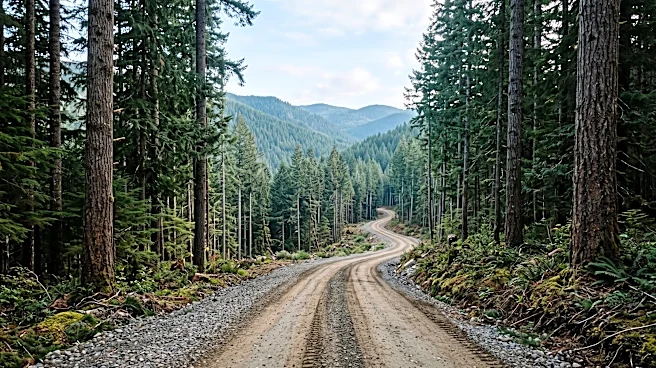
The Trump administration has announced plans to rescind the Roadless Area Conservation Rule, commonly known as the 'roadless rule,' which has protected approximately 45 million acres of national forest for 25 years. This move is expected to benefit timber
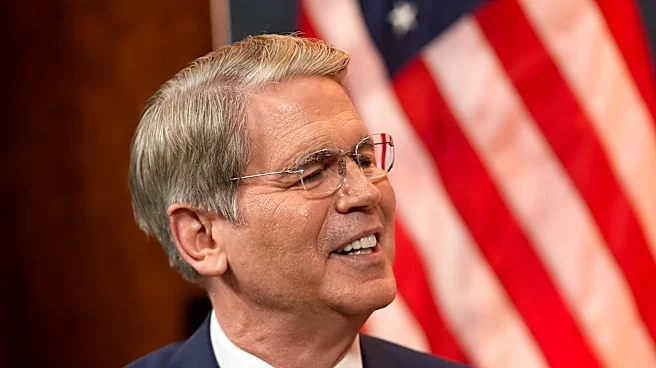
companies, particularly those with ties to Tom Schultz, the current chief of the U.S. Forest Service. Public Citizen's research indicates that Schultz, who previously served as president of the Federal Forest Resource Coalition and vice-president at Idaho Forest Group, has long been critical of the rule. The American Forest Resource Council (AFRC), a timber industry trade association, has actively advocated for the rule's rescission, arguing it hinders 'active forest management' necessary for wildfire mitigation. Since Schultz's appointment in February 2025, the AFRC has spent over $210,000 lobbying to expand harvesting in national forests. Critics, however, argue that expanding road access could increase wildfire risk and imperil 400 threatened and endangered species.
Why It's Important?
The potential rescission of the roadless rule carries significant implications for environmental conservation, public land management, and the timber industry in the U.S. The rule's repeal would open vast tracts of previously protected old-growth forests to road construction, drilling, and logging, potentially leading to habitat destruction and increased carbon emissions. Environmental advocates fear this could jeopardize numerous species and ecosystems. Conversely, proponents of the rescission, including the Forest Service under Schultz, argue that 'active forest management,' including logging and thinning, is essential for reducing wildfire risk and promoting forest health. This debate highlights a fundamental conflict between conservation efforts and industrial interests, with the administration's actions appearing to favor the latter. The scrutiny surrounding Schultz's past industry affiliations raises concerns about potential conflicts of interest and the influence of lobbying on federal land management policies.
What's Next?
The Trump administration's proposal to rescind the roadless rule will likely face significant opposition from environmental groups and conservationists, who are expected to challenge the decision through legal and advocacy channels. The Forest Service will need to finalize the rollback, which could involve public comment periods and further administrative processes. The debate over 'active forest management' versus conservation will continue, with ongoing discussions about the most effective strategies for wildfire prevention and forest health. The actions of the Forest Service under Schultz, particularly regarding timber sales and structural reorganization, will remain under close observation. The long-term consequences of this policy change on national forests, biodiversity, and climate resilience will unfold over the coming years, potentially setting new precedents for federal land management.
Beyond the Headlines
The controversy surrounding the roadless rule and the Forest Service chief's background points to a broader pattern of the Trump administration placing former extractive industry insiders in key environmental positions. This trend raises ethical questions about the impartiality of regulatory bodies and the potential for industry interests to unduly influence public policy. The debate also underscores the complex relationship between economic development, environmental protection, and the management of natural resources. While proponents argue for the economic benefits of logging and the necessity of active management for wildfire control, critics emphasize the intrinsic value of untouched wilderness and the long-term ecological costs of industrial exploitation. The scientific community remains divided on the efficacy of expanded logging as a primary wildfire mitigation strategy, with some studies suggesting that roads can actually increase fire risk. This situation highlights the ongoing tension between short-term economic gains and long-term environmental sustainability.