
What's Happening?
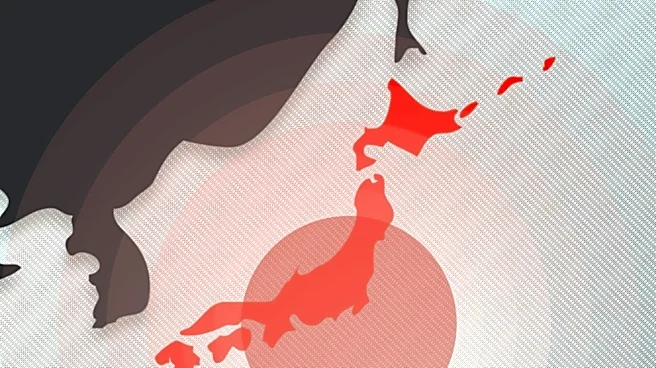
On December 7, 1941, Japan launched a surprise attack on the US naval base at Pearl Harbor, Hawaii, marking a pivotal moment in World War II. The attack was driven by Japan's need for raw materials, particularly
oil, to support its imperial ambitions in the Pacific. The US had imposed economic sanctions, including an oil embargo, which severely restricted Japan's access to essential resources. Japan's military government, seeking to expand its empire, viewed a preemptive strike on the US Navy as a means to secure dominance in the Pacific. Despite the attack's initial success, it failed to destroy key US assets, such as aircraft carriers, allowing the US to eventually recover and defeat Japan.
Why It's Important?
The attack on Pearl Harbor had profound implications for global geopolitics and the course of World War II. It prompted the United States to enter the war, significantly altering the balance of power. The event underscored the strategic importance of resource access in military conflicts and highlighted the consequences of economic sanctions as a tool of foreign policy. The attack also demonstrated the risks of underestimating an adversary's capabilities and intentions, leading to significant changes in US military strategy and intelligence operations.
Beyond the Headlines
The Pearl Harbor attack serves as a historical lesson on the complexities of international relations and the potential for miscalculation in geopolitical strategies. It illustrates the impact of economic pressures on national decision-making and the role of military power in achieving political objectives. The event also highlights the ethical considerations of preemptive military actions and the long-term consequences of war on civilian populations. Understanding these dynamics is crucial for contemporary policymakers navigating similar challenges in global affairs.