






What's Happening?
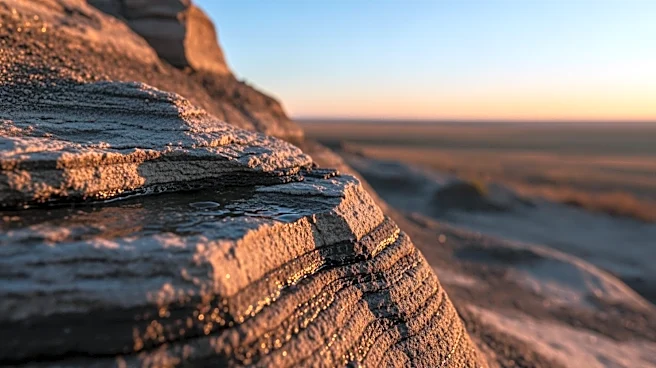
Vaca Muerta, located in Argentina's Neuquén Basin, is undergoing a significant transformation as it becomes a focal point for global energy investment. Known for its vast shale gas and oil reserves, the basin is attracting attention due to improved economic
conditions, technological advancements, and a more favorable policy environment. Key players like Chevron, Shell, and Tecpetrol are expanding their operations, while LNG export projects are positioning Argentina as a future global gas exporter. The basin's breakeven costs have decreased, making it more competitive, and labor groups are increasingly supportive of production growth. The Argentine government, under President Javier Milei, is promoting Vaca Muerta as a strategic export platform, offering incentives to attract foreign investment.
Why It's Important?
Vaca Muerta's development is crucial for Argentina's economic growth and energy independence. By tapping into its vast shale reserves, Argentina can reduce its reliance on energy imports and become a significant player in the global energy market. The basin's growth aligns with global trends seeking new energy supplies outside traditional regions, especially as U.S. shale matures and Middle East geopolitical risks persist. The shift towards export-driven growth could enhance Argentina's economic stability and provide a boost to its energy sector, attracting further international investment.
Beyond the Headlines
The transformation of Vaca Muerta also highlights broader geopolitical and economic shifts. As global demand for LNG grows, Argentina's ability to supply this demand could alter energy trade dynamics. The basin's development may also influence regional energy policies and labor practices, as successful collaboration between operators and labor groups could serve as a model for other regions. Additionally, the focus on export-driven growth reflects a strategic pivot from resource nationalism, potentially reshaping Argentina's economic landscape.