

What's Happening?
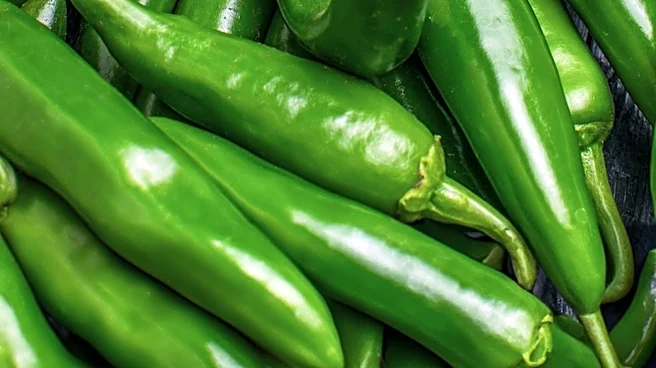
A salmonella outbreak traced to jalapeño peppers from Sinaloa, Mexico, has affected 345 people across 27 states, including Wyoming. The U.S. Food and Drug Administration (FDA) and the Centers for Disease Control and Prevention (CDC) have identified the outbreak strain
as Salmonella Javiana. Thirty-six individuals have been hospitalized, but no deaths have been reported. The outbreak has been linked to jalapeños distributed by Coast Citrus Distributors and served at chain restaurants such as Chipotle and QDOBA. The outbreak was identified after federal investigators conducted patient interviews and supply-chain tracing. Wyoming has reported about six illnesses, none resulting in hospitalization. The outbreak highlights the risks associated with the modern food system, where produce is grown and distributed on a large scale, increasing the potential for widespread contamination.
Why It's Important?
This outbreak underscores the vulnerabilities in the U.S. food supply chain, particularly with imported produce. The large-scale distribution of contaminated jalapeños demonstrates how a single source of contamination can affect multiple states and numerous individuals. The incident raises concerns about food safety practices and the need for stringent monitoring and traceability systems. Businesses like Chipotle and QDOBA have responded by removing the affected products, but the outbreak has already impacted public confidence in food safety. The situation also highlights the challenges faced by health officials in managing and containing foodborne illnesses in an interconnected food system.
What's Next?
As the investigation continues, the FDA and CDC are likely to enhance their monitoring and regulatory measures to prevent future outbreaks. Restaurants and food distributors may need to implement more rigorous safety protocols and traceability systems to quickly identify and isolate sources of contamination. Public health officials will continue to monitor the situation and provide updates as more information becomes available. Consumers may become more cautious about the origins of their food, potentially influencing purchasing decisions and prompting a shift towards locally sourced produce.