





What's Happening?
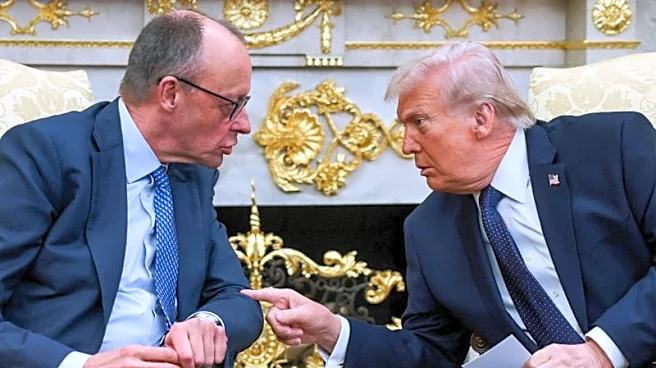
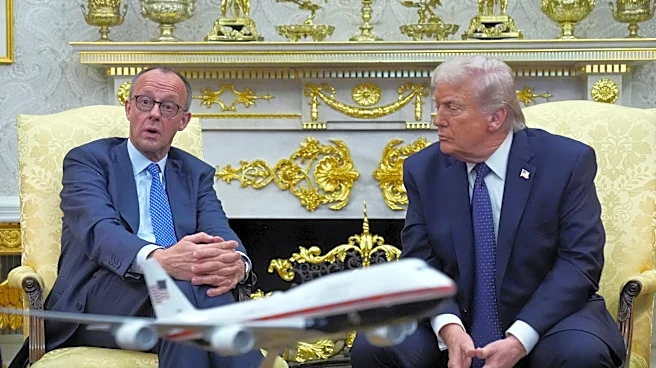
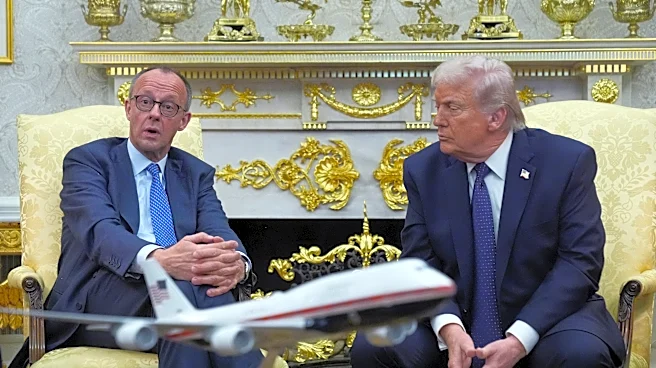
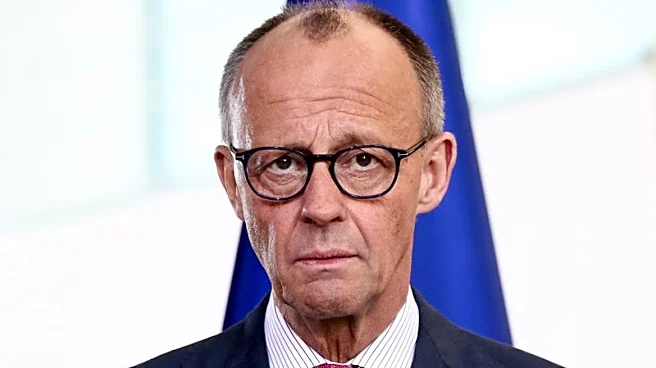
German Chancellor Friedrich Merz is experiencing tension in his relationship with U.S. President Donald Trump. The strain arises from Merz's comments about the U.S. being 'humiliated' by Iran, prompting Trump to threaten the withdrawal of U.S. troops
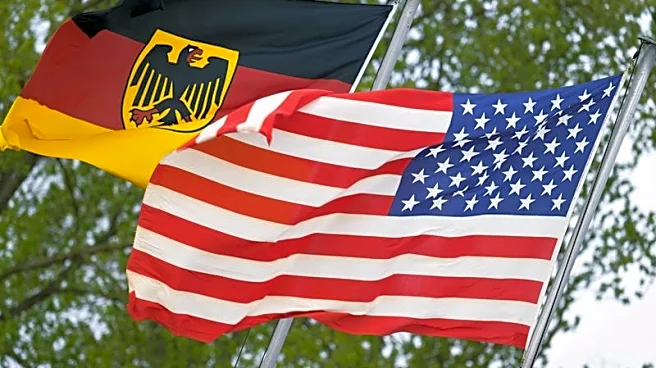
from Germany. Despite these tensions, Merz has attempted to maintain a positive relationship with Trump, emphasizing Germany's strategic partnership with the U.S. and NATO. The situation reflects broader challenges in transatlantic relations, as Germany seeks to balance its military and economic reliance on the U.S. while addressing disagreements on issues like Ukraine and trade.
Why It's Important?
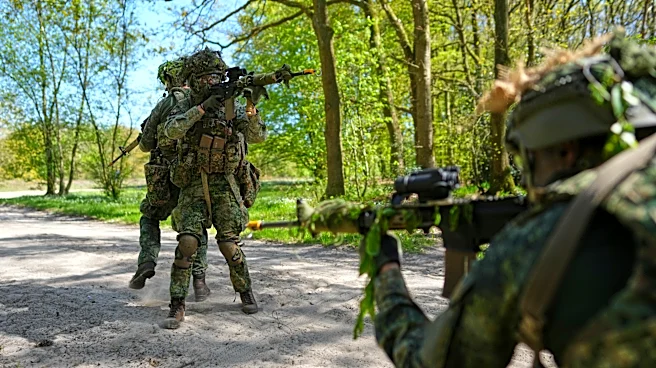
The potential withdrawal of U.S. troops from Germany could have significant implications for NATO and European security. Germany's reliance on U.S. military support, including nuclear deterrence and intelligence sharing, underscores the importance of maintaining strong transatlantic ties. The diplomatic rift highlights the complexities of international relations under President Trump's administration, where personal dynamics can influence strategic decisions. The situation also reflects Germany's efforts to assert its independence while navigating its role within the broader geopolitical landscape.
What's Next?
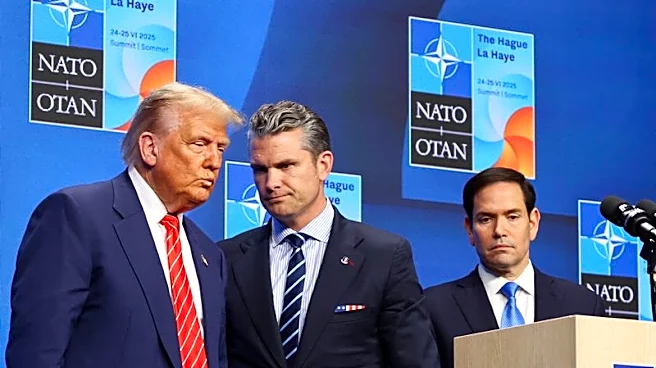
Chancellor Merz may continue efforts to mend relations with President Trump, potentially seeking diplomatic channels to address the underlying issues. Germany's strategic priorities will likely focus on strengthening its military capabilities and reducing reliance on U.S. support. The situation may prompt broader discussions within NATO about the future of U.S. military presence in Europe and the alliance's collective security strategy.