



What's Happening?
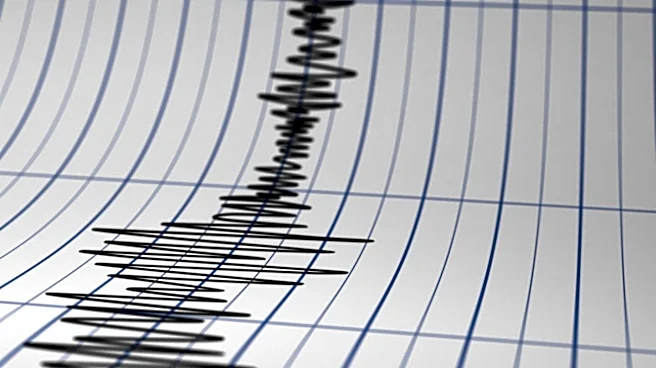
The Alaska Earthquake Center has reported ongoing seismicity in the Alaska Peninsula region, attributing it to several tectonic features. The Aleutian megathrust is identified as the source of the strongest earthquakes, with recent examples including
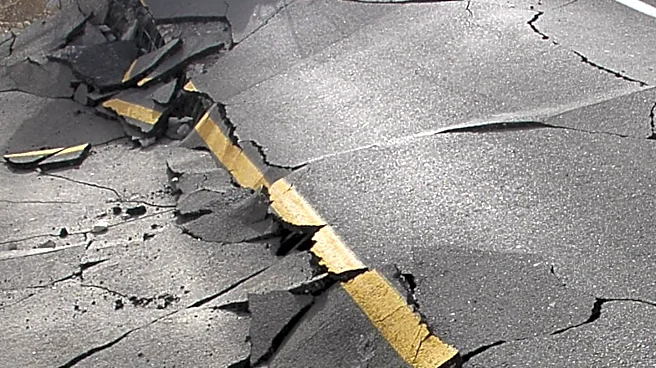
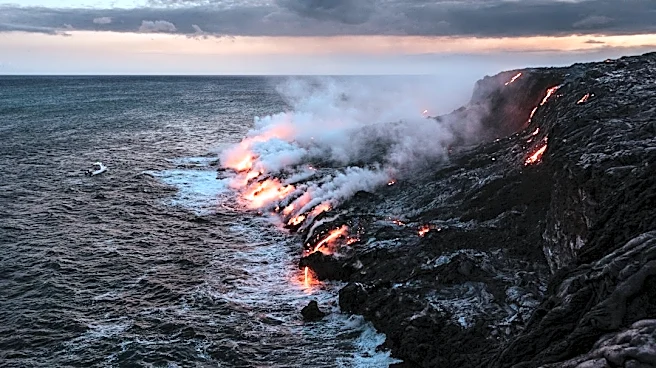
the 2020 M7.8 Simeonof Earthquake and the 2021 M8.2 Chignik Earthquake. Intermediate depth seismicity occurs in the Wadati-Benioff Zone, where the Pacific Plate subducts beneath the North American Plate, producing thousands of earthquakes annually, though most are unfelt. Notable events in this zone include the 1999 M7.0 and 2001 M6.9 Kodiak Island earthquakes, which caused damage. Additionally, crustal seismicity is linked to the Kodiak Shelf Fault Zone and the volcanic arc, with a series of M7+ earthquakes in 1912 associated with the Novarupta eruption, the largest volcanic eruption of the 20th century worldwide. The region's seismic activity is a continuous process influenced by these complex geological interactions.
Why It's Important?
The continuous seismic activity in the Alaska Peninsula region holds significant importance due to its potential impact on local communities and infrastructure. The Aleutian megathrust, responsible for powerful earthquakes, poses a risk of tsunamis, as evidenced by historical records and paleo-tsunami deposits, even if recent large quakes did not produce damaging ones. Understanding the Wadati-Benioff Zone's thousands of annual earthquakes, even if mostly small, is crucial for long-term seismic hazard assessment. The historical precedent of the 1999 and 2001 Kodiak Island events demonstrates that even intermediate-depth earthquakes can cause substantial damage and disruption. Furthermore, the connection between crustal seismicity and volcanic activity, as seen with the 1912 Novarupta eruption, highlights the dual threat of seismic and volcanic hazards in this geologically active area. This ongoing monitoring and research are vital for informing disaster preparedness and mitigation strategies for residents and industries in the region.
What's Next?
Ongoing seismic monitoring by the Alaska Earthquake Center will continue to track earthquake activity in the Alaska Peninsula region. This continuous data collection is essential for identifying patterns, assessing potential hazards, and providing early warnings where possible. Further research into the interplay between the Aleutian megathrust, the Wadati-Benioff Zone, and crustal seismicity will enhance understanding of the region's complex tectonics. This improved understanding can lead to more refined seismic hazard maps and updated building codes, potentially reducing future damage from earthquakes. Additionally, the correlation between seismic events and volcanic activity suggests that continued vigilance for both types of natural disasters will remain a priority for geological agencies and local authorities. Communities in the region will likely continue to engage in preparedness drills and public education campaigns to mitigate risks associated with these frequent geological events.
Beyond the Headlines
The persistent seismic activity in the Alaska Peninsula region underscores broader implications for scientific understanding of plate tectonics and natural hazard prediction. The area serves as a natural laboratory for studying subduction zones, megathrust earthquakes, and volcano-tectonic interactions, offering insights applicable to other seismically active regions globally. The historical record of tsunamis impacting Russian communities and paleo-tsunami deposits highlights the long-term environmental and societal memory of such events, influencing cultural narratives and resilience strategies. Ethically, the ongoing seismic threat places a continuous responsibility on scientific institutions and governmental bodies to invest in robust monitoring systems and effective public communication strategies, ensuring the safety of remote and often vulnerable populations. This continuous geological dynamism also shapes the unique ecological landscape, influencing biodiversity and resource distribution, creating a complex interplay between natural forces and human adaptation in this remote part of the United States.