





What's Happening?
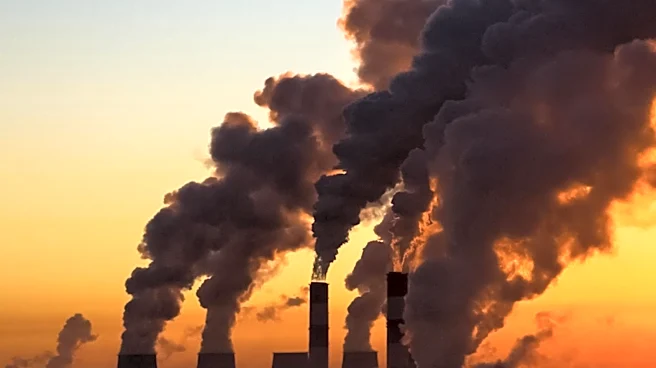
In Louisiana's 'Cancer Alley,' a region with high concentrations of petrochemical plants, public air monitoring is inadequate, leaving residents without reliable information on air quality. An investigation reveals that state monitors are often located
far from major polluters and fail to track key carcinogens like ethylene oxide and chloroprene. The state's air monitoring network has been reduced, with spending cuts and the removal of monitoring stations, despite high cancer risks in the area. Legislative efforts to improve monitoring have been consistently blocked, with industry influence playing a significant role in policy decisions.
Why It's Important?
The lack of adequate air monitoring in Louisiana poses significant public health risks, particularly for communities living near industrial facilities. Without accurate data, residents cannot assess their exposure to harmful pollutants, which may contribute to elevated cancer rates. The situation highlights the broader issue of environmental justice, as predominantly Black communities are disproportionately affected. The state's failure to address these concerns reflects systemic challenges in balancing industrial interests with public health, raising questions about regulatory accountability and the influence of industry on environmental policy.
What's Next?
Advocates are likely to continue pushing for improved air monitoring and greater transparency in emissions reporting. The issue may attract national attention, prompting federal intervention or support for local initiatives. Legal challenges could arise, as affected communities seek to hold polluters and regulators accountable. The ongoing debate may also influence future legislative efforts, with potential implications for environmental policy and industry regulation. Increased public awareness and advocacy could drive changes in how air quality is monitored and managed in industrial regions.
Beyond the Headlines
The ethical implications of inadequate air monitoring include the right to clean air and the responsibility of governments to protect public health. The situation in Louisiana underscores the need for equitable environmental policies that prioritize vulnerable communities. Long-term, addressing these challenges may require systemic changes in how environmental risks are assessed and managed, with a focus on transparency and accountability. The case also highlights the potential for grassroots activism to drive policy change and the importance of community engagement in environmental decision-making.