








What's Happening?
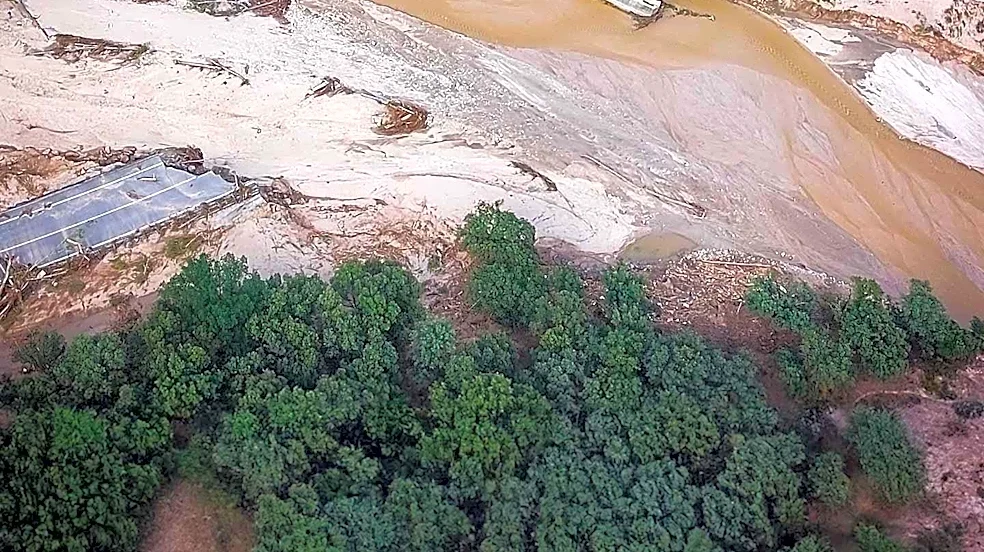
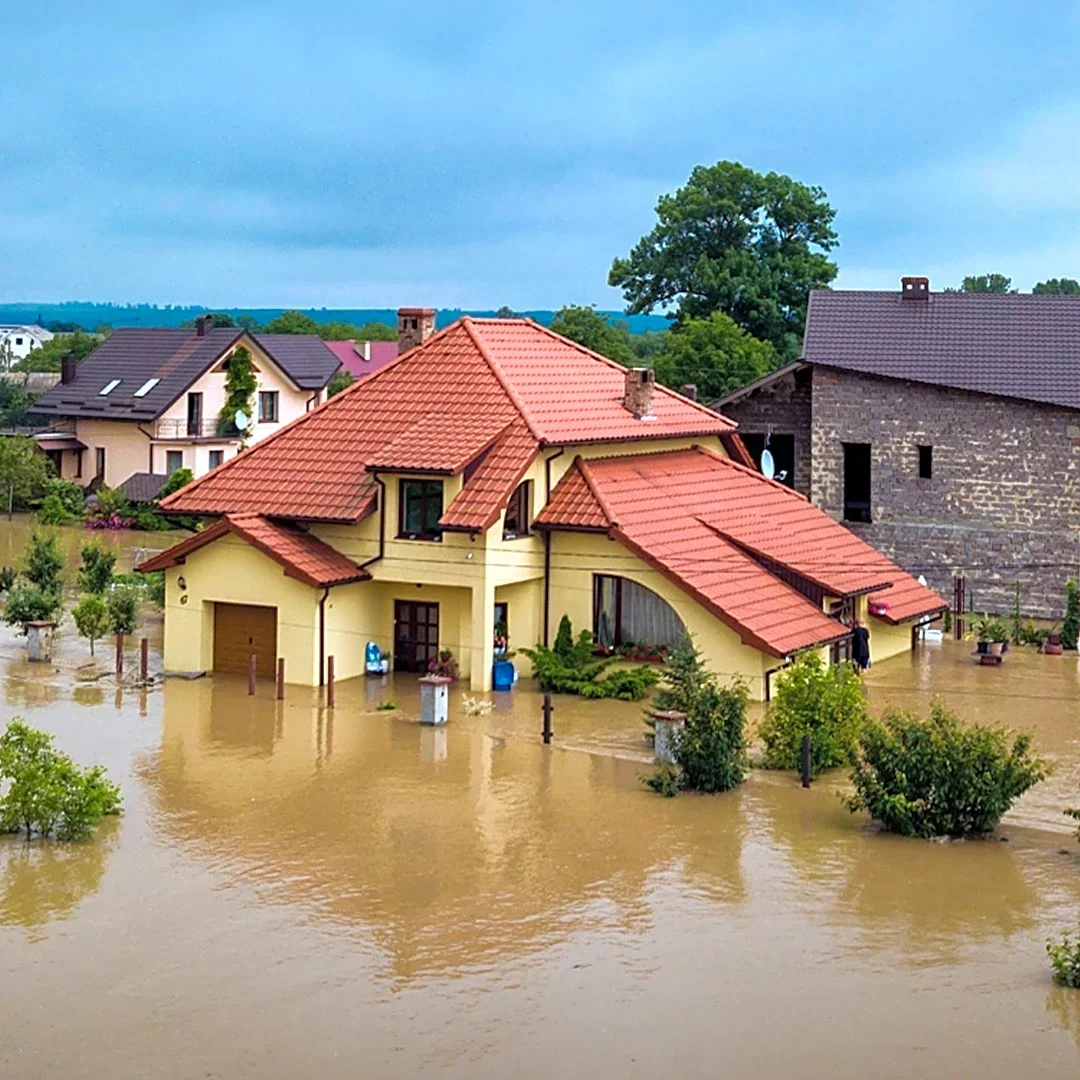
Libya’s Government of National Unity (GNU) has pledged compensation for affected residents and accountability for any negligence following severe flooding in Tripoli caused by exceptional heavy rainfall on Tuesday. The government extended condolences
to the families of Abdulsalam Adgaimish, former head of the Bar Association, and Ahmed Al-Mabrouk, a Jumhouria Bank employee, who died in the floods. Prime Minister Abdul Hamid Dbeibah monitored the situation and directed authorities to assist residents, evacuate dangerous areas, clear water, and restore traffic. The Ministry of Local Government has been tasked with assessing damage and arranging compensation. The National Meteorological Center reported 152.5 millimeters of rain in approximately two hours in the Arada area, an amount described as unprecedented for Tripoli in over 15 years. While new infrastructure like the Third Ring Road performed well, older drainage networks failed, highlighting the need for upgrades. The government also attributed flooding in Martyrs' Square to blocked drainage facilities due to accumulated waste and inadequate maintenance.
Why It's Important?
This event underscores the critical infrastructure challenges facing Libya, particularly in urban areas, and the urgent need for resilient systems to cope with extreme weather events. The GNU's pledge for compensation and accountability is significant as it signals a commitment to governance and citizen welfare, which can help build public trust in a country long plagued by political instability. The failure of older drainage systems highlights a broader issue of underinvestment and neglect in public services, which can exacerbate humanitarian crises during natural disasters. For the U.S., a stable Libya with effective governance is crucial for regional security, as instability can create vacuums exploited by extremist groups and contribute to irregular migration flows. Addressing infrastructure deficiencies and improving disaster preparedness are vital steps towards achieving long-term stability and preventing future tragedies, which aligns with broader international efforts to support Libya's recovery.
What's Next?
The GNU has reaffirmed its commitment to monitoring the situation of affected residents, providing compensation, and addressing shortcomings exposed by the heavy rainfall. Immediate next steps include the Ministry of Local Government's assessment of damages and the implementation of compensation measures. The government also plans to complete ongoing infrastructure projects aimed at improving drainage networks. Ahead of the winter season, authorities have been instructed to raise readiness levels, activate early warning systems, and strengthen coordination among emergency agencies. Preventive measures will be introduced to alert the public to expected weather disturbances and increase awareness of associated risks. Additionally, the Tripoli Development Agency has been assigned responsibility for the operation, maintenance, and continuous cleaning of Martyrs' Square's drainage system. The GNU has also pledged to hold those responsible for negligence accountable and ensure public facilities are adequately prepared for various weather conditions.
Beyond the Headlines
The Tripoli floods reveal deeper systemic issues within Libya's governance and infrastructure management, exacerbated by years of conflict and political division. The contrast between the performance of newly constructed roads and aging networks highlights the uneven development and maintenance of public services. The government's pledge of accountability, if genuinely pursued, could set a precedent for improved governance and public service delivery, fostering greater trust between the state and its citizens. However, the challenge lies in effective implementation and overcoming bureaucratic hurdles and potential corruption. The incident also underscores the growing impact of climate change, with extreme weather events becoming more frequent, demanding a long-term strategy for climate resilience and urban planning. This requires not only financial investment but also robust institutional capacity and coordinated efforts across different government bodies, which remain significant challenges in Libya's current political landscape.