






What's Happening?
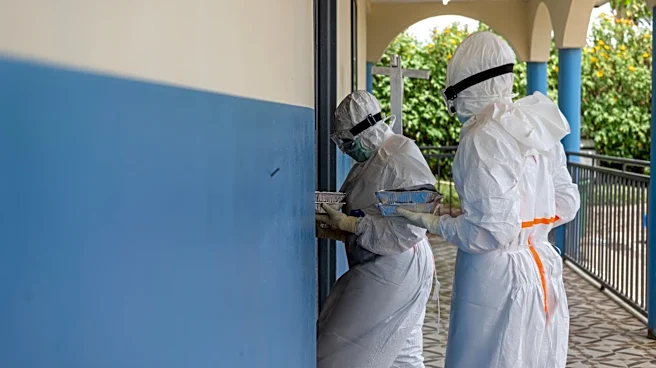
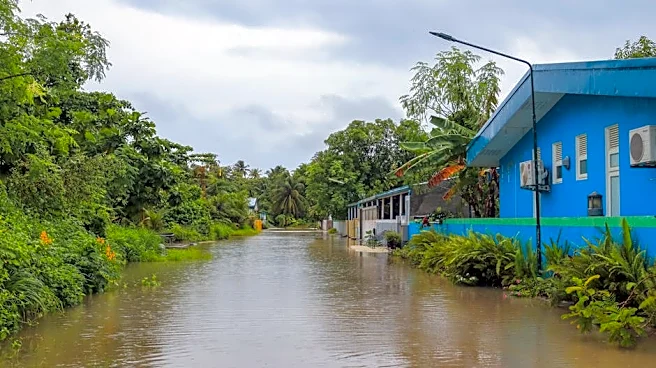
As the summer travel season approaches, public health officials are monitoring several emerging health threats, including an Ebola outbreak in Central Africa, a localized mpox surge in Boston, and rising cases of flesh-eating Vibrio infections in Florida.
The Ebola outbreak in the Democratic Republic of the Congo, driven by the Bundibugyo strain, has resulted in 900 suspected cases and 220 suspected deaths. Meanwhile, Boston is experiencing a surge in mpox cases, and Florida has reported new cases of Vibrio infections. These developments highlight the potential for localized outbreaks to intersect with peak travel patterns.
Why It's Important?
The convergence of these health threats during the summer travel season poses significant challenges for public health officials. The Ebola outbreak in Central Africa could impact international travel and screening protocols, while the mpox surge in Boston and Vibrio infections in Florida highlight the risks of localized outbreaks within the U.S. These situations underscore the importance of maintaining vigilance and preparedness to prevent the spread of infectious diseases. The potential for these outbreaks to affect travel and tourism could have economic implications, particularly for regions dependent on summer tourism.
What's Next?
Public health officials will continue to monitor and respond to these health threats, with a focus on preventing further spread. Efforts may include enhanced screening and monitoring for travelers, increased public awareness campaigns, and collaboration with international health organizations. The U.S. government may implement additional travel restrictions or advisories as needed. Continued research and development of vaccines and treatments for these diseases will be crucial in managing and mitigating their impact.